
Replacing your home’s exterior is one of the biggest decisions you’ll make as a homeowner. It affects how your home looks, how well it holds up to the elements, and how much you spend on upkeep over time. With so many siding options on the market, it can be hard to know where to start—but for millions of homeowners across the country, the answer has been the same for decades: Hardie Plank Siding.
This post breaks down exactly why this siding material has earned such a strong reputation, what makes it stand out from the competition, and what you can expect when you invest in a professional installation.
What Makes Hardie Plank Siding Different From Other Materials?
Most siding materials force homeowners to choose between aesthetics and durability. Vinyl can look cheap and warps in heat. Wood looks beautiful but demands constant maintenance. Aluminum dents easily and lacks curb appeal. Hardie Plank Siding sidesteps all of these trade-offs.
Manufactured by James Hardie, Hardie Plank is a fiber cement product made from a blend of Portland cement, sand, and cellulose fibers. The result is a material that mimics the look of real wood while offering far superior resistance to weather, pests, moisture, and fire.
It’s engineered to perform. That’s not marketing language—it’s the reason contractors and homeowners have made it the best-selling siding product in the United States.
How Does Hardie Plank Siding Hold Up in Harsh Weather Conditions?
One of the most common concerns homeowners raise is how siding performs in extreme climates. High humidity, freezing temperatures, heavy rain, and intense heat can all cause traditional siding materials to crack, swell, or deteriorate over time.
Hardie Plank is specifically designed with climate in mind. James Hardie offers region-specific product lines through their HZ10® technology, formulated for the unique environmental conditions of different parts of the country. A home in the Pacific Northwest faces very different moisture exposure than one in the Texas heat—and Hardie Plank accounts for that.
The material is also resistant to damage from hail and high winds, making it a practical choice in storm-prone areas. For homeowners who’ve dealt with the headache of replacing damaged siding after a rough winter or hurricane season, that kind of resilience is genuinely valuable.
What Are the Most Popular Styles and Finishes Available?
Hardie Plank isn’t a one-size-fits-all product. It comes in a wide range of profiles, textures, and colors that allow homeowners to personalize their exterior to match their vision.
Popular profile options include:
- Lap siding – The classic horizontal style that suits traditional and craftsman-style homes
- Vertical siding – A bold, modern look that adds height and dimension to a façade
- Shingle siding – Cedar-inspired texture that brings warmth and character to any home
- Trim and fascia panels – Designed to complement the main siding with clean, finished lines
The ColorPlus® Technology finish is one of the standout options. Rather than painting on-site, the color is baked onto the siding under factory-controlled conditions, delivering a finish that resists fading, chipping, and cracking far longer than field-applied paint. Homeowners who’ve repainted wood siding every few years tend to appreciate this significantly.
Does Hardie Plank Siding Add Value to a Home?
The short answer is yes—and meaningfully so.
According to Remodeling Magazine’s Cost vs. Value reports, fiber cement siding consistently ranks among the top exterior improvement projects for return on investment. Homeowners recoup a substantial portion of their installation costs through increased home value, and the curb appeal boost often helps homes sell faster.
Beyond resale value, there’s the day-to-day financial benefit of reduced maintenance. Hardie Plank doesn’t rot, it doesn’t attract termites, and it doesn’t need repainting nearly as often as wood. Over a 15 to 20-year period, those savings add up considerably.
There’s also the matter of insurance. Some insurance providers offer reduced premiums for homes with fire-resistant exterior materials—and fiber cement qualifies.
What Should Homeowners Expect From the Installation Process?
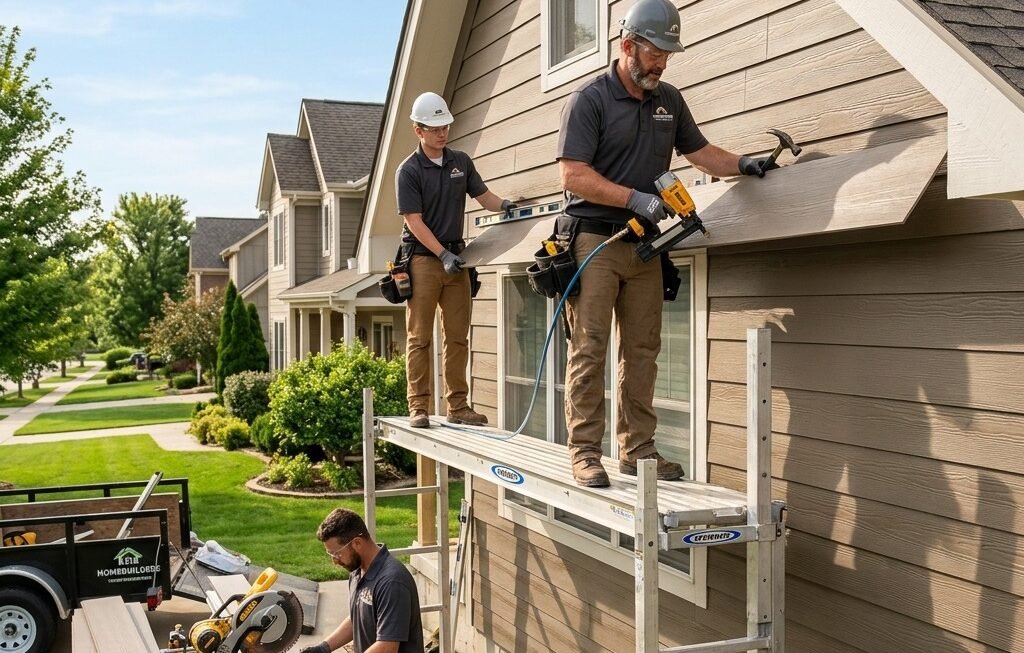
This is where working with an experienced contractor makes all the difference. Hardie Plank requires specific handling and cutting tools, and improper installation can void the manufacturer’s warranty and compromise performance. It’s heavier than vinyl siding, which means installation requires more labor and the right equipment.
At U.S. Windows & Exteriors, installation is handled by trained professionals who follow James Hardie’s recommended installation practices. Every project begins with a thorough assessment of the home’s existing exterior to identify any underlying issues—like moisture damage or structural concerns—that should be addressed before new siding goes up. Getting this step right protects the investment and ensures the siding performs exactly as it should for decades.
Why Hardie Plank Siding Is the Right Choice for Your Home
Hardie Plank Siding delivers the kind of long-term exterior protection, visual appeal, and low-maintenance performance that homeowners across the country have been counting on for years—making it one of the smartest upgrades any home can receive. The combination of weather resistance, style versatility, and proven durability puts it in a category that few other materials can match.
When you choose U.S. Windows & Exteriors for your Hardie Plank installation, you’re not just selecting a premium product—you’re getting a team that knows how to install it correctly, efficiently, and with a finish that speaks for itself. From the first consultation to the final walkthrough, the focus is on quality you can see and performance you can count on.
Ready to upgrade your home’s exterior? Contact U.S. Windows & Exteriors today for a free estimate and find out why so many homeowners in the area trust us with their most important investment.
Frequently Asked Questions
How long does Hardie Plank Siding last?
When properly installed and maintained, Hardie Plank Siding can last 30 to 50 years. James Hardie backs the product with a 30-year limited warranty on the siding itself and a 15-year warranty on the ColorPlus® Technology finish.
Is Hardie Plank Siding more expensive than vinyl siding?
The upfront cost is higher than vinyl, but the long-term value is stronger. Lower maintenance costs, longer lifespan, and higher resale value make fiber cement siding a more financially sound choice over time for most homeowners.
Can Hardie Plank be installed over existing siding?
In some cases, yes—but a professional assessment is recommended first. Installing over damaged or moisture-compromised siding can lead to bigger problems down the line. A proper installation starts with a clean, solid substrate.
How do I clean and maintain Hardie Plank Siding?
Hardie Plank is low-maintenance by design. An annual cleaning with a garden hose or low-pressure washer is generally all that’s needed. Avoid high-pressure washing, which can damage the finish over time.