
The way people create and consume visual content is changing rapidly. A few years ago, producing a professional-looking video usually required cameras, lighting equipment, editing software, actors, and a team of experienced professionals. Today, artificial intelligence is making many parts of that process more accessible.
AI-powered video generation is introducing a new approach in which creative concepts can be transformed into moving visuals through simple instructions. Instead of beginning with a complicated production setup, creators can start with an idea and gradually develop it into a complete visual experience. This shift is influencing marketing, entertainment, education, social media, and many other areas where video plays an important role.
A Different Approach to Producing Videos
Traditional video production often follows a fixed sequence. A concept is developed, scripts are prepared, scenes are arranged, footage is recorded, and the material is edited afterward. While this process can produce excellent results, it can also be expensive and time-consuming.
AI video tools introduce a more flexible workflow. Creators can begin with written descriptions and explore how different ideas might look on screen. They can experiment with environments, characters, camera perspectives, actions, and visual moods before settling on a final direction.
This makes the creative process less restrictive. Someone who has a strong story idea but limited production experience can still experiment with visual storytelling and discover possibilities that may have been difficult to achieve through conventional methods.
Bringing Written Concepts to Life
One of the most interesting developments in AI video technology is the ability to interpret natural language. Instead of manually constructing every element of a scene, users can describe what they want to happen and allow the model to translate those instructions into visuals.
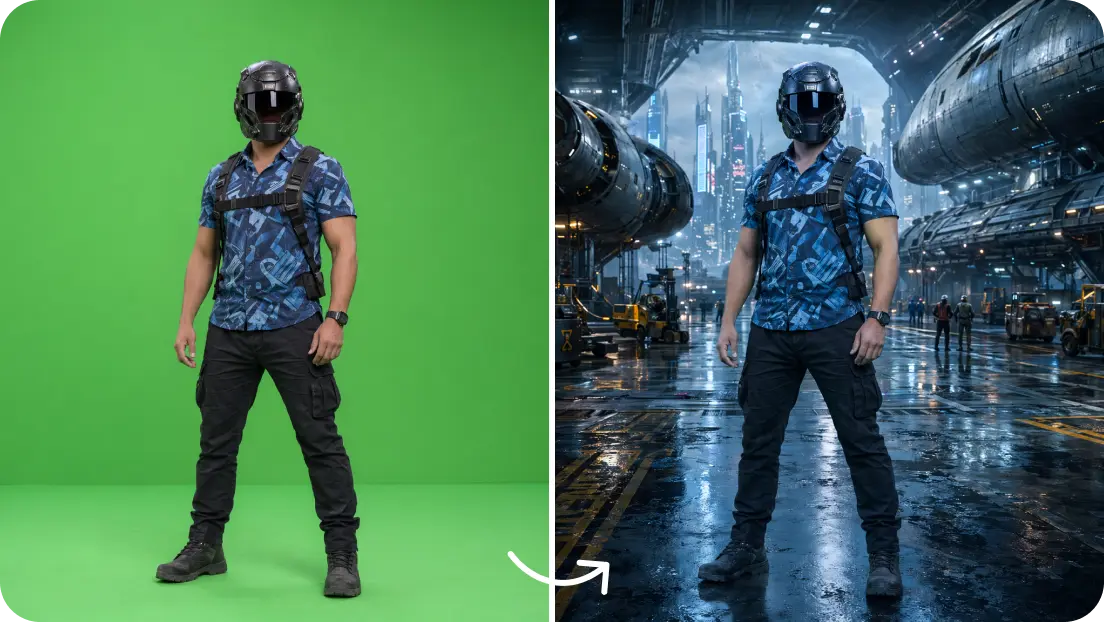
For example, a creator might imagine a futuristic city at night, a dramatic landscape, or a product demonstration with specific movements. Rather than starting with multiple production tasks, they can begin by communicating the concept clearly. Tools built around models such as Seedance 2.0 can help creators explore these ideas and turn written concepts into dynamic visual content.
This approach is particularly useful during the early stages of creative development. It allows people to test several possibilities before investing significant time in a finished production.
Making Visual Experiments More Accessible
Creative experimentation has traditionally been limited by available resources. A filmmaker may have an ambitious scene in mind but lack the location or equipment required to produce it. A small business may want an animated advertisement but cannot afford a large production team.
AI changes some of these limitations by providing a digital environment for experimentation. Creators can explore unusual concepts without immediately arranging physical locations, performers, or complicated equipment.
This accessibility could encourage more people to experiment with storytelling. Students, independent creators, entrepreneurs, and small marketing teams can use AI-generated visuals to communicate ideas that might otherwise remain only as written concepts.
A New Opportunity for Content Creators
Maintaining a consistent presence on digital platforms requires a steady flow of content. Social media creators, in particular, are expected to publish frequently while keeping their videos interesting and visually distinctive.
AI can help reduce some of the repetitive work involved in producing this material. Instead of spending all their time handling technical production tasks, creators can devote more attention to storytelling and audience engagement.
The technology can also encourage experimentation. A creator might develop several versions of a concept with different moods or visual styles and then decide which one communicates the intended message most effectively. This creates a faster feedback loop between an initial idea and the finished content.
Greater Possibilities for Commercial Video
Businesses are also discovering new ways to incorporate AI into their visual communication. Product-focused companies can experiment with promotional scenes, while service providers can create explanatory videos that communicate complicated ideas more clearly.
AI-generated video can be particularly useful when a business needs content for several digital channels. A single campaign may require short videos for social platforms, website visuals, advertisements, and promotional presentations. AI-assisted production can make it easier to adapt creative concepts for different formats.
As AI models become more advanced, technologies such as Seedance 2.5 are contributing to a broader shift toward more sophisticated AI-assisted visual production. The goal is not simply to create movement, but to make generated scenes more expressive, detailed, and aligned with the creator’s instructions.
Human Direction Remains Essential
Despite the impressive capabilities of modern AI systems, human involvement remains important. A generated video may contain attractive visuals, but that does not automatically make it an effective story.
Creators still need to decide what message they want to communicate, who the audience is, and how the visuals should support the overall idea. They may also need to refine prompts, review generated scenes, adjust sequences, and remove elements that do not fit the original concept.
Using an AI video platform such as Dreamina can therefore be viewed as part of a broader creative workflow rather than a complete replacement for human decision-making. The technology provides new possibilities, while the creator determines how those possibilities should be used.
What Comes Next for AI-Driven Visual Media?
The continued development of AI video technology could make visual production increasingly interactive. Instead of treating video creation as a long process with a single final result, creators may be able to continuously modify scenes and explore alternative directions.
This could change the role of experimentation in filmmaking and digital content. Concepts that once required significant budgets may become easier to visualize during the planning stage. Businesses could test creative campaigns before committing to expensive production, while independent creators could explore ambitious storytelling ideas with fewer resources.
The biggest change may ultimately be the accessibility of visual creativity. As the technology becomes easier to use, the ability to produce compelling video content may depend less on access to specialized equipment and more on the quality of the idea behind the content.
The Creative Landscape Is Expanding
AI video generation is not simply another editing feature. It represents a broader change in how people approach visual storytelling. By reducing some of the technical barriers associated with production, these tools allow creators to move from imagination to experimentation much more quickly.
The most successful use of AI will likely come from combining machine-generated possibilities with human creativity. AI can provide speed, variation, and visual experimentation, while people provide emotion, purpose, context, and storytelling judgment.
As these technologies continue to mature, video creation is likely to become more flexible and accessible. The creators who learn how to combine their own creative vision with intelligent video tools may be better positioned to produce engaging content in an increasingly visual digital world.
Frequently Asked Questions
How does AI change the video creation process?
AI can simplify several stages of video production by allowing creators to generate visual concepts from written instructions or other inputs. This can make experimentation faster and reduce some of the technical work involved in traditional production.
Can beginners use AI video generation tools?
Yes. Many AI video tools are designed to make visual creation more accessible to people without advanced filmmaking or editing experience. Beginners can start with simple concepts and gradually learn how to improve their instructions and creative direction.
Is AI-generated video suitable for business content?
AI-generated video can be useful for advertisements, product demonstrations, promotional campaigns, social media content, and educational material. Businesses can experiment with different concepts before selecting the versions that best suit their audiences.
Does AI video generation eliminate the need for human creativity?
No. AI can assist with visual production, but humans remain responsible for ideas, storytelling, creative decisions, and quality control. The strongest results usually come from combining AI capabilities with thoughtful human direction.