

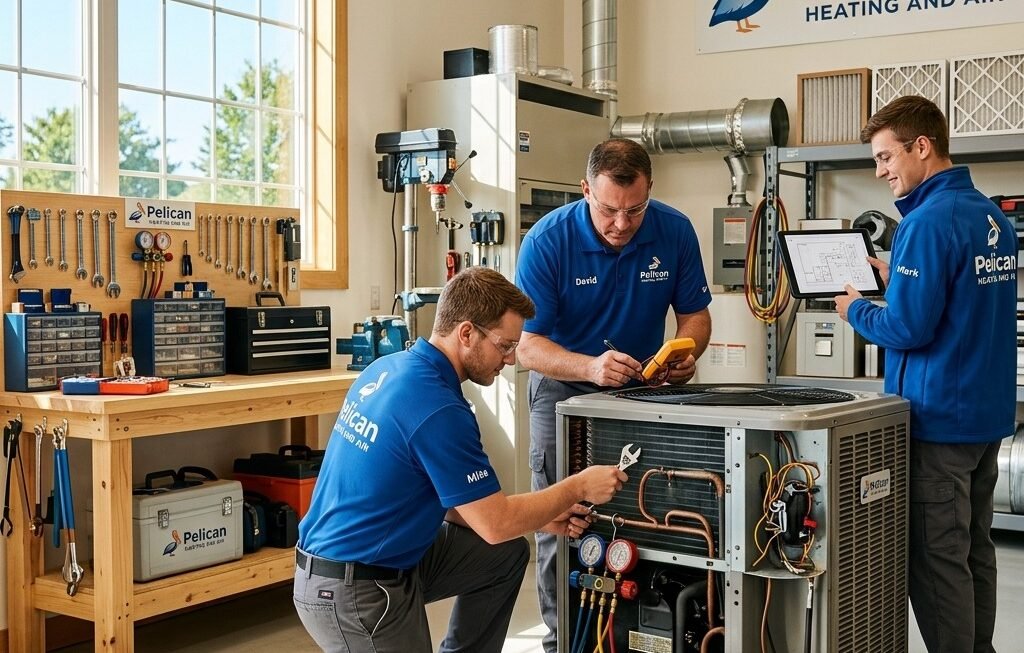
Summer heat doesn’t negotiate. When temperatures climb and your air conditioner starts acting up, every hour without cool air feels longer than the last. The frustrating part? Most AC problems that turn into expensive breakdowns started small—a strange noise here, a warm spot there—and got ignored until things went sideways.
Pelican Heating and Air has seen it all. From compressors that gave out mid-July to units that simply needed a refrigerant top-up, the pattern is almost always the same: a small issue left unaddressed becomes a big, costly repair. Understanding what your AC is trying to tell you—and acting on it quickly—can save you serious money and a whole lot of discomfort.
What Do Rising Energy Bills Actually Mean for Your AC?
Your energy bill is one of the most reliable indicators of your air conditioner’s health. If your usage habits haven’t changed but your electricity costs keep climbing, your AC is likely working harder than it should to maintain the same temperature.
The culprit is usually reduced efficiency. Dirty filters restrict airflow, forcing the system to run longer cycles. A refrigerant leak makes it harder to cool air effectively. Aging components lose their ability to operate at peak capacity. All of these issues quietly drain your wallet before you even notice a drop in comfort.
Pelican Heating and Air’s technicians are trained to diagnose efficiency problems quickly—pinpointing exactly where the system is losing performance and restoring it before your next billing cycle stacks up even more.
Why Is My AC Blowing Warm Air?
Few things are more frustrating than an air conditioner that blows warm air on a hot day. This is one of the most common service calls Pelican Heating and Air receives, and it almost always points to one of three issues:
- Low refrigerant levels caused by a slow leak in the system
- A faulty compressor that can no longer pressurize the refrigerant properly
- Frozen evaporator coils caused by restricted airflow or refrigerant problems
Each of these issues requires a professional diagnosis. Topping off refrigerant without finding and sealing the leak is like refilling a punctured tire—it buys time, but it doesn’t solve the problem. Pelican Heating and Air’s team addresses the root cause, not just the symptom.
How Often Should You Schedule AC Maintenance?
Most HVAC manufacturers and industry professionals recommend scheduling a professional AC tune-up at least once a year, ideally in spring before the cooling season begins. This visit typically includes:
- Checking and topping refrigerant levels
- Cleaning the condenser and evaporator coils
- Inspecting electrical connections and components
- Replacing or cleaning air filters
- Testing thermostat calibration and system controls
Skipping annual maintenance might feel like a money-saver in the short term. Over time, though, neglected systems accumulate wear that shortens equipment lifespan and increases the likelihood of a breakdown on the hottest day of the year—exactly when you can’t afford one.
Pelican Heating and Air offers maintenance plans designed to keep your system running efficiently all year long, giving you one less thing to worry about.
What Are the Warning Signs That Your AC Needs Repair?
Catching problems early makes all the difference. Here are the warning signs that should prompt a call to a professional sooner rather than later:
Unusual noises: Grinding, squealing, or banging sounds are never normal. These often indicate mechanical problems with the fan motor, compressor, or belts.
Short cycling: If your AC turns on and off in rapid, frequent bursts without completing a full cooling cycle, the system is under stress. This can be caused by an oversized unit, a refrigerant issue, or a failing thermostat.
Excess humidity indoors: Your AC removes moisture from the air as part of the cooling process. If your home feels muggy despite the unit running, the system isn’t doing its full job.
Water pooling near the unit: Some condensation is normal, but pooling water or ice forming on the unit signals a drainage or refrigerant problem that needs attention.
Uneven cooling: Hot spots in certain rooms often point to ductwork issues, a struggling compressor, or an imbalanced system.
Pelican Heating and Air’s service team responds promptly to these warning signs, diagnosing issues with precision and completing repairs efficiently so you’re not left waiting in the heat.
Why Pelican Heating and Air Is the Right Call for AC Repair
AC Repair handled by experienced, licensed professionals gives homeowners the confidence that the job is done right the first time—without shortcuts, unnecessary part replacements, or repeat visits for the same problem.
Pelican Heating and Air brings that level of expertise to every service call. The team is fully licensed and trained to work on all major AC brands and systems, from central air units to ductless mini-splits. Every repair is backed by a commitment to quality workmanship, transparent pricing, and honest recommendations.
There’s no upselling on parts you don’t need. No vague explanations. Just clear communication, skilled repairs, and a cooler home.
Beyond repairs, Pelican Heating and Air helps customers make informed decisions about their systems—whether that means a targeted fix, a maintenance plan, or guidance on when replacing an aging unit makes more financial sense than continuing to repair it.
Stay Cool and Comfortable All Summer
AC problems don’t resolve themselves. A unit that’s struggling today will work harder tomorrow, wearing down faster and costing more to operate. The good news is that most issues—caught early—are straightforward to fix.
Pelican Heating and Air is here to make sure your home stays comfortable when it matters most. Whether you’re dealing with a sudden breakdown or noticing the early warning signs of a problem, reaching out sooner means faster relief and lower repair costs.
Don’t wait for the heat to win. Contact Pelican Heating and Air today and get your AC back to doing what it does best.