

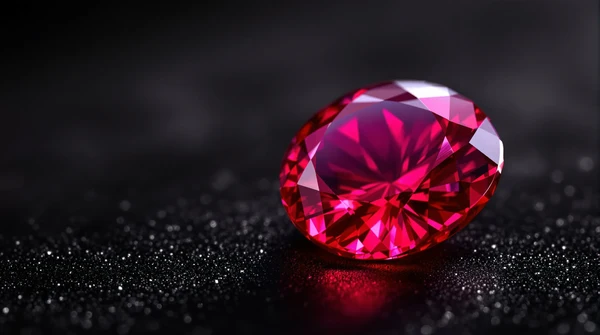
A ruby can catch the eye instantly with its rich red color, but choosing one requires more attention than simply selecting the most vibrant stone on display. Every ruby stone has its own combination of color, clarity, cut, carat weight, treatment history, and origin, and these factors can significantly influence its appearance and value.
For a first time buyer, the wide range of available stones and prices can make the process confusing. A little knowledge can make a major difference. By understanding how rubies are evaluated and what information should be verified before purchase, buyers can make a thoughtful decision without relying entirely on appearance or price.
Looking Beyond The Red Color
Color is usually the first feature people notice when viewing a ruby. However, red alone does not determine quality. The intensity, tone, saturation, and distribution of the color all contribute to the gemstone’s appearance.
A desirable ruby generally displays a strong and attractive red without appearing excessively dark or dull. Some stones may show subtle pink, purple, or orange secondary tones. These variations can affect market preference and should be considered alongside the overall visual appeal.
Viewing a ruby under different lighting conditions can also be useful. A stone that looks impressive under one type of light may appear noticeably different in natural daylight or indoor lighting.
Understanding Natural Inclusions
Natural rubies commonly contain internal characteristics created during their geological formation. These inclusions are not automatically evidence of poor quality because completely flawless natural rubies are extremely uncommon.
What matters is the size, location, number, and visibility of these characteristics. Inclusions that are difficult to see without magnification may have little effect on everyday appearance, while prominent inclusions can affect transparency and durability.
In some cases, inclusions can also provide useful clues to gemologists when distinguishing natural stones from synthetic alternatives.
Seeing The Difference A Cut Makes
Cut determines how effectively a ruby interacts with light. A well-proportioned stone can display better brilliance and a more balanced appearance, while a poorly executed cut may make even a high-quality rough stone look less impressive.
Ruby cutters must balance appearance with weight retention because excessive cutting can reduce the final carat weight. Symmetry, proportions, polish, and facet arrangement all contribute to the finished gemstone.
When comparing rubies, buyers should therefore examine the overall presentation rather than focusing only on carat size. Choosing the best place to buy ruby stone in Bangalore can also help buyers access better guidance when evaluating cut quality and overall craftsmanship.
Considering Carat Weight Carefully
Carat weight is another important factor, particularly because larger natural rubies are considerably rarer. However, increasing size does not automatically mean increasing quality.
A smaller ruby with excellent color and attractive clarity may be more appealing and valuable than a larger stone with weak color or distracting inclusions. The right balance depends on the buyer’s purpose and budget.
Instead of deciding on size first, it can be more useful to establish which quality characteristics matter most and then compare available carat weights within that range.
Checking Treatment Information
Many rubies available in the market have undergone treatments to improve their appearance. Heat treatment, for example, is widely used within the gemstone industry.
Treatment itself should not automatically be considered a disadvantage. The important point is whether the treatment has been clearly disclosed and properly documented.
Treatment information can affect pricing, durability considerations, and future valuation. Buyers should therefore ask for clear details before completing a purchase rather than assuming that every ruby is completely untreated.
Giving Certification Proper Attention
A gemological certificate can provide valuable independent information about a ruby stone. Depending on the laboratory and report, documentation may identify whether the stone is natural or synthetic and may include details about treatments, weight, dimensions, and other characteristics.
Certification is especially useful when comparing several stones because it gives buyers objective information beyond a seller’s verbal description.
A report should also be checked carefully to ensure that its details correspond with the gemstone being offered. Proper documentation can make the purchasing process considerably more transparent.
The Importance of Origin
Origin can be an important consideration when evaluating certain rubies. Some geographical sources are particularly recognized within the gemstone trade, and stones from notable origins may attract additional interest.
However, origin should not replace an assessment of actual quality. A ruby’s color, clarity, treatment status, cut, and overall beauty remain essential considerations.
When origin is claimed as an important selling point, buyers should look for reliable laboratory documentation rather than relying solely on verbal assurances.
Comparing Market Prices Intelligently
Ruby prices can vary dramatically, even among stones that appear similar at first glance. Differences in color quality, clarity, treatment, carat weight, certification, and origin can all contribute to pricing.
This is why comparing prices without comparing gemstone characteristics can be misleading. A lower priced ruby may have different quality attributes from a more expensive stone.
Buyers researching the best place to buy ruby stone in Bangalore should look beyond advertised prices and examine factors such as certification, product transparency, seller experience, and after purchase support.
Choosing A Seller With Transparency
The seller can have a significant influence on the buying experience. A dependable gemstone professional should be willing to explain the stone’s characteristics, disclose relevant treatments, provide certification where applicable, and answer questions clearly.
Buyers should be cautious of sellers who make exaggerated claims or create pressure to purchase immediately. A thoughtful buying process should allow enough time to compare options and understand what is being offered.
Clear communication before purchase can also prevent confusion about returns, care requirements, certification, and future valuation.
Conclusion
A well-informed buyer is better prepared to recognize differences between gemstones and ask meaningful questions. Taking time to research quality standards, examine certification, compare multiple stones, and understand treatment information can prevent many common purchasing mistakes.
Whether the ruby is intended for jewelry, collecting, gifting, or personal significance, careful selection adds greater confidence to the experience. A gemstone becomes more meaningful when its characteristics are understood rather than judged solely by its appearance. For those searching for the best place to buy ruby stone in Bangalore, comparing authenticity, documentation, and seller transparency, RudraTree offers a convenient destination for making a more informed gemstone selection.
