
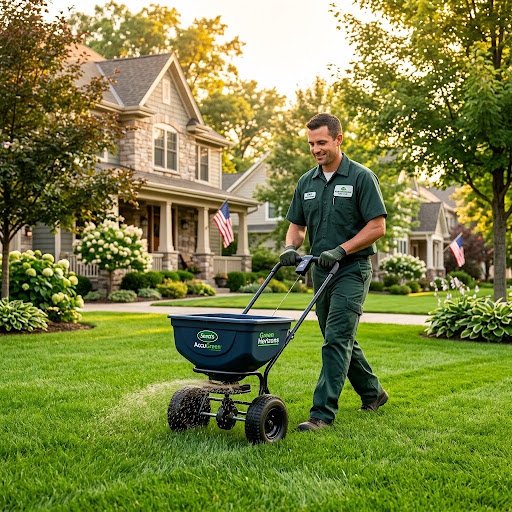
Every lawn tells a story. Some lawns are lush, deep green, and full of life. Others are patchy, pale, and struggling to keep up with the neighborhood. In the Twin Cities, the gap between these two outcomes often comes down to one thing: fertilization done right.
The Minneapolis–Saint Paul metro sits in a climate zone that challenges even the hardiest of grasses. Harsh winters, unpredictable spring frosts, and hot, dry summers put real stress on lawns. Without the right nutrients delivered at the right time, even well-maintained yards can fade fast. That’s why fertilization here isn’t a luxury—it’s the foundation of a lawn that actually holds up.
At Green Horizons Lawn Care, fertilization is one of the most requested and impactful services offered to homeowners and businesses across the Twin Cities. Here’s why it works, what it involves, and why timing is everything.
Why Twin Cities Lawns Need Fertilization More Than Most
The soil composition across the Twin Cities metro varies significantly. Clay-heavy soils in many suburban neighborhoods drain slowly and compact easily, locking out oxygen and making it harder for grass roots to absorb nutrients. Sandy soils in other areas drain too quickly, flushing out nutrients before roots get the chance to use them.
Minnesota’s lawn season is also compressed. Grass has a shorter active growing window than in warmer states, which means every week counts. Fertilization extends that productive window, helps grass recover faster from stress, and builds the root density needed to survive winter dormancy.
Cool-season grasses like Kentucky bluegrass, perennial ryegrass, and fine fescue dominate Twin Cities lawns—and these varieties respond exceptionally well to seasonal fertilization programs. Feed them correctly, and they reward you with color, density, and resilience.
What Does a Fertilization Service Actually Include?
Green Horizons Lawn Care takes a structured approach to fertilization, tailoring each treatment to the specific needs of your lawn rather than applying a generic product across every yard.
A full-season fertilization program typically includes:
- Soil testing and assessment: Before anything goes down, understanding what your lawn is missing matters. Nitrogen, phosphorus, and potassium levels all influence what type of fertilizer is appropriate.
- Slow-release and quick-release blends: Different stages of the season call for different formulations. Early-season applications often use quick-release nitrogen to jumpstart growth, while late-season treatments rely on slow-release formulas that feed roots through winter.
- Weed prevention integration: Many fertilization visits coincide with pre-emergent or post-emergent weed control, addressing dandelions, crabgrass, and broadleaf weeds that compete with grass for nutrients.
- Application timing: In the Twin Cities, the most effective fertilization windows are early spring (April–May), early summer (June), late summer (August), and fall (September–October). Each window targets a different phase of the grass growth cycle.
The Results Homeowners Notice First
The changes after a fertilization program begins are visible—and they come faster than most people expect.
Within two to three weeks of the first spring application, grass color deepens noticeably. The pale, tired look that lingers after snowmelt gives way to a richer, more uniform green. Bare or thin spots begin to fill in as root systems strengthen and lateral growth accelerates.
By midsummer, fertilized lawns show clear differences in heat tolerance. Unfertilized lawns often go dormant or develop brown patches during dry stretches. Lawns on a consistent fertilization schedule maintain better color and recover faster after rain returns.
Come fall, the advantage becomes even clearer. A well-fed lawn going into winter has deeper roots and more stored energy, which means a faster green-up the following spring. The cycle compounds over time—each season’s care setting the stage for the next.
How Green Horizons Lawn Care Approaches Fertilization Differently
Plenty of companies apply fertilizer. The difference lies in how it’s done and what backs it up.
Green Horizons Lawn Care uses regionally appropriate products selected specifically for Minnesota’s soil types and cool-season grasses. Applications are calibrated by square footage and adjusted based on current lawn conditions, not just calendar dates. If a lawn had disease pressure the previous season, the fertilization approach accounts for that. If a property has shaded areas where grass behaves differently, those zones get treated accordingly.
The team also communicates clearly with clients after each visit—what was applied, why, and what to expect in the weeks ahead. Lawn care works best when homeowners understand what’s happening in their yard, not just that someone came and sprayed something.
Is Fall Fertilization Really Worth It in Minnesota?
This is one of the most common questions Twin Cities homeowners ask—and the answer is a clear yes.
Fall fertilization, particularly a late-season application in October, is often called the most valuable treatment of the year. At this stage, grass blades slow their upward growth, but roots remain active, absorbing nutrients and storing energy. A high-potassium, low-nitrogen blend applied before the ground freezes strengthens root systems for the long dormant period ahead.
Lawns that skip fall feeding often enter spring in a nutrient deficit, starting the growing season already behind. Those that receive a proper fall application typically green up earlier, with better density and fewer bare patches to address.
Give Your Lawn the Nutrition It’s Been Missing
Lawn fertilization Twin Cities homeowners can count on to deliver season-long results, better root strength, and a yard that holds its color from the first warm days of spring straight through to the final weeks of fall—that’s exactly what Green Horizons Lawn Care provides across the metro area.
The difference between a lawn that just survives the Minnesota climate and one that genuinely thrives in it comes down to consistent, well-timed nutrition. Green Horizons Lawn Care brings that consistency to every property, every season.
Ready to see what your lawn is capable of? Contact Green Horizons Lawn Care today to schedule your seasonal fertilization service.