


English is full of words that sound identical but work differently depending on how they’re used. One common example is “backup” and “back up.” Many people use them interchangeably, especially in business writing, tech conversations, and everyday communication. But there’s actually a clear grammatical difference between the two. If you’ve ever wondered about “backup vs […]

Login vs Log In: What’s the Correct Usage?
If you’ve ever paused while writing “login” or “log in,” you’re not alone. The confusion around login vs log in is incredibly common, especially in digital writing, UI design, and professional communication. While the two terms look almost identical, they serve different grammatical purposes. Knowing the difference matters more than you might think. Using the […]

Extent vs Extant: Meaning, Differences, and Examples
The confusion between “extent” and “extant” is surprisingly common. At first glance, the two words look almost identical, but their meanings are completely different. If you’ve ever paused while writing and wondered which one to use, you’re not alone. Understanding extent vs extant is important for clear communication, especially in academic writing, professional documents, and […]

Programme vs Program: What’s the Difference?
If you’ve ever wondered about the difference between programme vs program, you’re not alone. These two words look almost identical, yet their usage changes depending on where you are in the world and what context you’re writing in. From universities and TV schedules to computer coding, the spelling can shift in surprising ways. The debate […]

Noisey or Noisy: Which Spelling Is Correct?
If you’ve ever stopped mid-sentence and wondered, “Is it noisey or noisy?” you’re definitely not alone. English spelling can be tricky, especially when words sound exactly the same but only one version is actually correct. The short answer is simple: “Noisy” is the correct spelling, while “noisey” is considered a misspelling in modern English. Still, […]
Employer Name Meaning Explained: Simple HR Guide
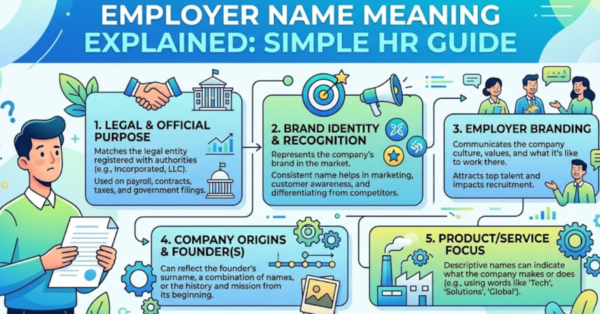
The employer name meaning is one of those simple terms that often confuses people when filling out job applications, insurance forms, or HR documents. At its core, the employer name meaning refers to the official name of the company or organization that employs you. Whether you’re completing a job form, verifying employment, or dealing with […]
DSL Meaning TikTok Explained: Slang & Usage Guide
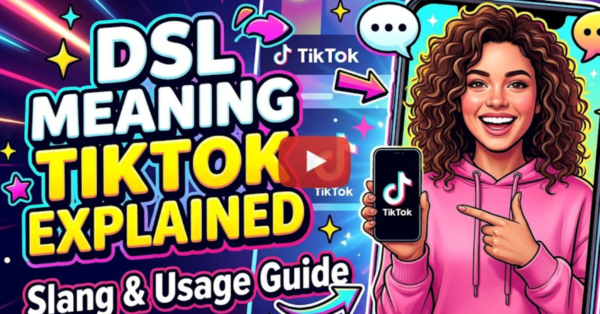
Scrolling through TikTok and suddenly seeing “DSL meaning TikTok” in comments or captions can be confusing if you’re not familiar with internet slang. The phrase DSL meaning TikTok has become a trending search term because users keep encountering it in viral videos, edits, and comment sections without clear context. In simple terms, DSL is an […]
Gem or Jem: Meaning, Spelling & Usage Explained
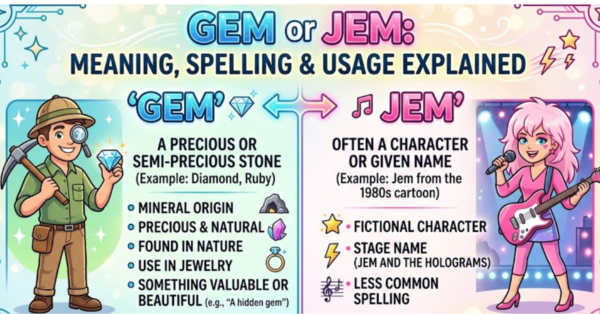
The confusion between gem or jem is more common than you might think. Many people search for both spellings when referring to something valuable, beautiful, or even a name. But here’s the key point right away: “gem” is the correct standard English spelling, while “jem” is usually a name or a misspelling depending on context. […]

Stopped or Stoped: Correct Spelling Guide
If you’ve ever wondered whether it’s stoped or stopped, you’re not alone. This is one of those common spelling confusions that trips up even confident writers. The correct form is stopped, but the misspelling stoped still appears frequently in searches, essays, and everyday writing. In this guide, we’ll break down the correct usage of stopped […]
Bosses or Bosss: Correct Usage Explained Simply
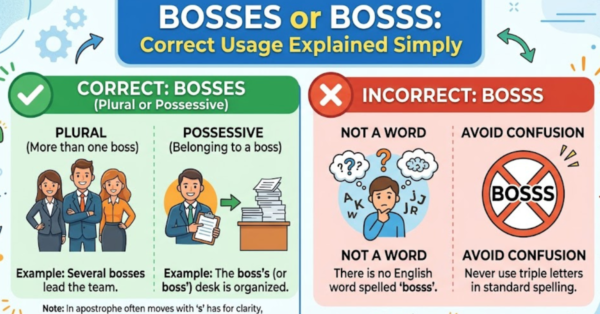
If you’ve ever wondered whether it’s bosses or bosss, you’re not alone. This small spelling confusion shows up a lot in writing, emails, and even social media posts. The main focus keyword here—bosses or bosss—comes down to understanding basic English grammar rules around plural and possessive forms. In this guide, we’ll break it all down […]