

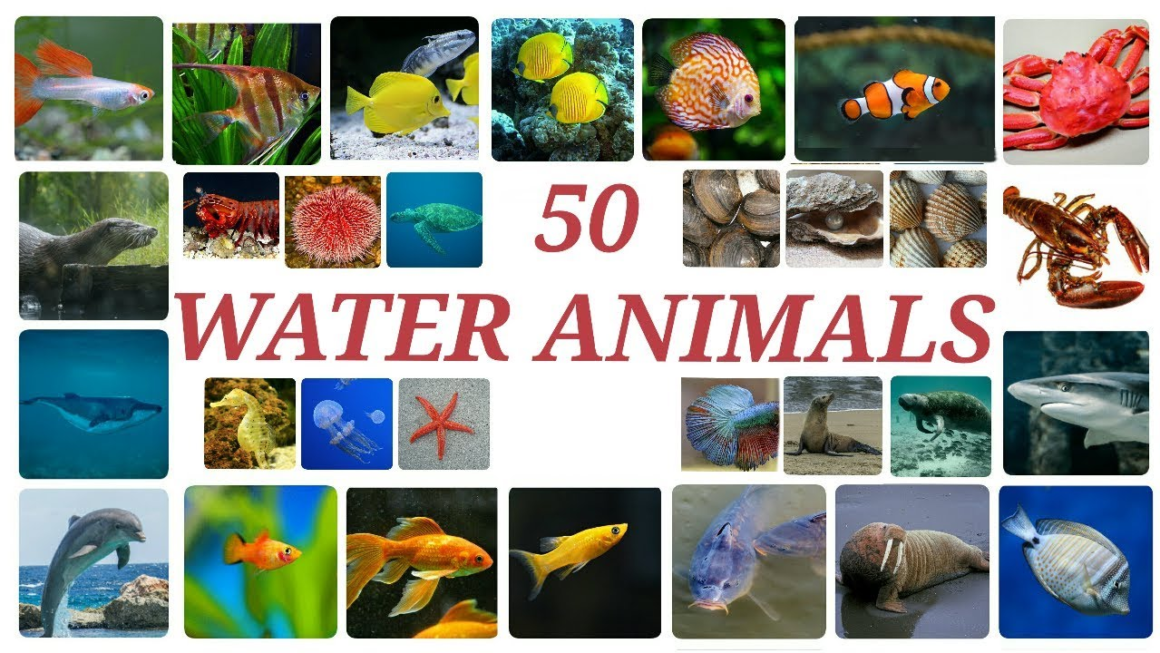
Water covers a huge part of our planet, and it is home to an incredible variety of animals. From tiny creatures drifting through the ocean to enormous whales traveling across entire seas, aquatic animals have developed fascinating ways to survive in water. Learning the names of water animals is not only useful for students and children but also a great way to understand the amazing diversity of life on Earth.
The phrase 50 water animals name usually refers to a simple list of animals that live primarily in oceans, rivers, lakes, ponds, and other aquatic environments. Some are fish, while others are mammals, reptiles, amphibians, or invertebrates. Each group has its own unique features and adaptations that help it live in or around water.
Whether you are preparing a school project, helping a child learn animal names, or simply curious about aquatic life, this guide provides a clear and interesting overview. Along with the names, you will find useful facts that make the list easier to understand and remember.
50 Water Animals Name List
Here is a useful list of 50 water animals commonly found in different aquatic environments:
- Whale
- Dolphin
- Shark
- Octopus
- Squid
- Jellyfish
- Seahorse
- Starfish
- Crab
- Lobster
- Shrimp
- Eel
- Salmon
- Tuna
- Goldfish
- Clownfish
- Swordfish
- Stingray
- Manta Ray
- Pufferfish
- Angelfish
- Catfish
- Cod
- Sardine
- Anchovy
- Barracuda
- Flying Fish
- Swordfish
- Sea Turtle
- Crocodile
- Alligator
- Seal
- Walrus
- Sea Lion
- Manatee
- Dugong
- Otter
- Penguin
- Flamingo
- Pelican
- Swan
- Frog
- Toad
- Salamander
- Sea Cucumber
- Sea Urchin
- Coral
- Nautilus
- Clam
- Mussel
This list includes animals associated with oceans, seas, rivers, lakes, and freshwater habitats. Some animals, such as dolphins and whales, spend almost their entire lives in water, while others, such as frogs and crocodiles, regularly move between land and water.
It is also worth remembering that not every creature on the list belongs to the same biological group. A whale is a mammal, a shark is a fish, a sea turtle is a reptile, and a jellyfish belongs to a completely different group of animals. This variety is one of the most interesting things about aquatic ecosystems.
Marine Mammals That Live in Water
Marine mammals are among the most fascinating water animals because they breathe air even though they spend much of their lives in aquatic environments. Whales, dolphins, seals, sea lions, walruses, manatees, and dugongs are examples of mammals connected to aquatic habitats. Unlike fish, they must come to the surface to breathe air.
Whales are some of the largest animals ever known to have lived on Earth. Different whale species have different diets and behaviors. Some feed on tiny organisms such as krill, while others hunt fish and other marine animals. Dolphins are also highly intelligent marine mammals known for their communication skills, social behavior, and impressive swimming abilities.
Seals, sea lions, and walruses have special adaptations that allow them to move efficiently in water while also spending time on land or ice. Manatees and dugongs are gentle herbivorous mammals that mainly feed on aquatic plants. Their peaceful nature and unusual appearance make them especially interesting to observe.
Popular Fish and Their Amazing Features
Fish make up one of the largest and most diverse groups of aquatic animals. They can be found in oceans, rivers, lakes, streams, and ponds around the world. Their bodies are generally adapted for swimming, and most fish use gills to obtain oxygen from water.
Some familiar fish include salmon, tuna, cod, sardines, anchovies, catfish, goldfish, clownfish, and pufferfish. Each has its own appearance and lifestyle. For example, clownfish are famous for their bright colors and their close relationship with sea anemones, while pufferfish are known for their ability to inflate their bodies when threatened.
Sharks, rays, and eels are also fascinating aquatic animals. Sharks have highly developed senses that help them locate prey, while stingrays and manta rays use their broad bodies and fins to glide through the water. Eels have long, flexible bodies that allow them to move through narrow spaces and underwater habitats.
Interesting Aquatic Invertebrates
Not all water animals have backbones. Invertebrates make up a huge percentage of aquatic life, and many of them have remarkable body structures. Octopuses, squids, jellyfish, crabs, lobsters, shrimp, starfish, sea cucumbers, sea urchins, clams, and mussels are all examples.
The octopus is particularly famous for its intelligence and problem-solving ability. It has eight arms, flexible movements, and the ability to change its appearance in response to its surroundings. Squids are also highly adapted swimmers and can move rapidly by pushing water through their bodies.
Jellyfish are very different from fish despite their common name. They do not have bones, and their soft bodies allow them to drift with ocean currents. Crabs and lobsters have hard outer shells that protect their bodies, while starfish use their tube feet to move across the seafloor.
Water Animals Found in Freshwater Habitats
Not all aquatic animals live in salty ocean water. Freshwater environments such as rivers, lakes, ponds, and streams support thousands of species. Catfish, salmon, frogs, toads, salamanders, otters, and alligators are examples of animals associated with freshwater habitats.
Freshwater animals face different challenges from marine species. The chemical balance of freshwater is different from seawater, and animals have developed specialized ways to maintain the right balance of water and salts in their bodies. Some freshwater animals are also adapted to fast-moving rivers, while others prefer calm ponds or deep lakes.
Salmon are especially interesting because some species spend part of their lives in freshwater and part in the ocean. They can travel considerable distances during their life cycle. Freshwater ecosystems may look peaceful, but they are full of complex relationships between predators, prey, plants, microorganisms, and other organisms.
Water Birds and Animals That Depend on Water
Several birds spend a significant amount of time in or around water. Penguins, pelicans, swans, and flamingos are familiar examples. Although birds have feathers and lungs rather than gills, many have specialized adaptations that make aquatic environments an important part of their lives.
Penguins are excellent swimmers and use their wings like flippers to move through the water. Many penguin species live in cold regions, although not all penguins live in Antarctica. Their streamlined bodies help them move efficiently while searching for food.
Pelicans have large bills and expandable throat pouches that help them catch fish. Swans are graceful water birds often found on lakes and slow-moving rivers, while flamingos are famous for their long legs, curved bills, and pink coloration. These birds show that aquatic ecosystems support much more than fish and marine mammals.
Reptiles and Amphibians in Aquatic Environments
Reptiles and amphibians are another important part of aquatic ecosystems. Sea turtles, crocodiles, alligators, frogs, toads, and salamanders all have connections to water, although their lifestyles can be very different.
Sea turtles spend most of their lives in marine environments, but females usually return to land to lay their eggs. Their flippers help them travel through the ocean, and some species migrate long distances between feeding and nesting areas.
Frogs and salamanders are amphibians, meaning they generally have life cycles that involve both aquatic and terrestrial environments. Young frogs, known as tadpoles, commonly develop in water before undergoing major changes as they mature. Crocodiles and alligators, on the other hand, are reptiles that can spend substantial amounts of time in rivers, wetlands, lakes, and other waterways.
How Water Animals Survive Underwater
Living underwater requires special adaptations. Fish use gills to extract dissolved oxygen from water, allowing them to breathe without coming to the surface. Their fins and streamlined bodies also help them control direction, speed, and balance while swimming.
Marine mammals have developed a different strategy. Whales, dolphins, and seals breathe air, so they must manage their time underwater carefully. Some can hold their breath for surprisingly long periods, while their bodies have physiological adaptations that help them conserve oxygen during dives.
Other aquatic animals rely on different methods of survival. Octopuses can hide in small spaces and change their appearance, while some fish use camouflage to avoid predators. Sea turtles have strong shells for protection, and crabs use hard outer coverings as armor. These adaptations demonstrate how evolution has produced countless solutions to the challenges of aquatic life.
Why Water Animals Are Important to Nature
Water animals play essential roles in maintaining healthy ecosystems. Predators help control populations of other animals, while herbivores influence the growth of aquatic plants. Small organisms provide food for larger species, creating complex food webs that connect many different forms of life.
Marine animals can also influence nutrient cycles. When organisms feed, grow, reproduce, and eventually die, nutrients move through aquatic ecosystems. Even tiny creatures can have enormous effects when they occur in large numbers.
Healthy aquatic ecosystems are also important to humans. People depend on oceans, rivers, lakes, and wetlands for food, transportation, recreation, and other resources. Protecting water animals therefore means protecting the broader environments that support both wildlife and human communities.
Easy Ways to Remember 50 Water Animals Names
Learning 50 names at once can seem difficult, especially for young students. A simple approach is to divide the animals into groups. For example, you can first learn fish names, then marine mammals, followed by reptiles, amphibians, birds, and invertebrates.
Visual learning can make the process even easier. Looking at pictures of a dolphin, shark, octopus, sea turtle, penguin, and other animals helps connect the written name with a recognizable appearance. Children can also create flashcards and practice a few names every day instead of trying to memorize everything at once.
Another useful method is to make simple sentences. For example, you might write, “The dolphin swims in the ocean,” or “The frog lives near freshwater.” Using the names in context makes them easier to remember and also improves vocabulary and general knowledge.
Conclusion
The world of aquatic animals is incredibly diverse, ranging from enormous whales and powerful sharks to tiny shrimp and colorful fish. The 50 water animals name list gives learners a useful starting point for discovering this fascinating world. It includes animals from oceans, rivers, lakes, wetlands, and other aquatic environments.
Learning these names is more valuable than simple memorization because each animal represents a different way of adapting to life in or around water. Some breathe through gills, some breathe air, some have shells, and others rely on camouflage, speed, or specialized body structures for survival.
Whether you are studying for school, preparing an educational activity, or simply interested in nature, knowing the names of water animals can help you appreciate aquatic ecosystems. The more we learn about these creatures, the easier it becomes to understand why clean, healthy water habitats are so important for wildlife and for the planet as a whole.
You May Also Raed: Englishtistic