

Pavement problems don’t announce themselves. One season, your driveway or road looks fine. The next, you’re staring at cracks, crumbling edges, and a surface that’s quietly deteriorating under every tire that rolls across it. The good news? There’s a proven, cost-effective fix that property owners and municipalities have relied on for decades—and it’s more versatile than most people realize.
Chip seal paving has earned its reputation the hard way: through performance. Applied correctly, it protects asphalt surfaces from weather damage, extends pavement life significantly, and delivers a durable finish that holds up under real-world conditions. At Rafferty Paving, this isn’t just another service on a list—it’s a craft that the team approaches with precision and professional expertise.
What Makes Chip Seal Paving Different from Other Surface Treatments?
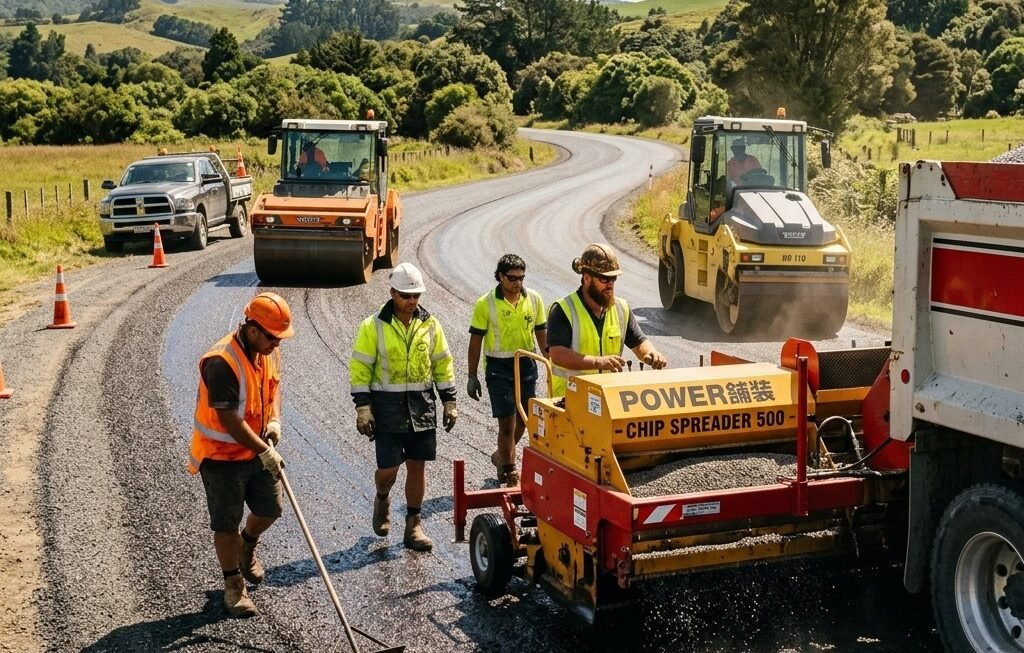
Not every paving method suits every project. Chip seal stands apart because of how it works: a layer of liquid asphalt binder is applied to the existing surface, followed immediately by a layer of aggregate chips, which are then rolled into place. The result is a textured, skid-resistant surface that bonds tightly and sheds water effectively.
Compare that to a simple sealcoat, which only adds a thin protective layer, or a full asphalt overlay, which is significantly more expensive. Chip seal sits in a practical middle ground—offering real structural reinforcement and weather protection at a fraction of the cost of complete repaving.
It’s particularly well-suited for:
- Rural and low-traffic roads that need durability without the premium price tag
- Driveways and private lanes where longevity matters more than a sleek urban finish
- Parking lots that require improved traction and surface protection
- Roadways showing early signs of oxidation or surface cracking before damage deepens
Why Chip Seal Paving Works So Well as a Preventive Measure
Surface damage is progressive. A small crack in spring becomes a pothole by winter. Oxidized asphalt turns brittle, loses flexibility, and starts failing structurally. Chip seal interrupts that cycle.
The aggregate layer acts as a shield, absorbing UV exposure and mechanical wear that would otherwise degrade the asphalt binder beneath. The textured surface also improves traction, which matters for both safety and surface preservation. Less slippage means less stress on the pavement itself.
For property owners managing longer stretches of road or large paved surfaces, the math is straightforward: investing in chip seal now costs considerably less than full resurfacing later. That’s not just a selling point—it’s a pattern that plays out consistently across projects of every scale.
What Rafferty Paving Brings to Every Chip Seal Project
Execution is everything with chip seal. The timing of binder application, the consistency of aggregate spread, and the compaction process all affect how well the surface performs over time. Done poorly, chip seal can result in loose stones, uneven coverage, or premature wear. Done right, it lasts.
Rafferty Paving brings hands-on experience and professional-grade equipment to every project. The team understands that surface preparation is non-negotiable—existing pavement needs to be assessed, cleaned, and ready before a single drop of binder goes down. That attention to process is what separates a chip seal job that lasts from one that fails within a season.
Every project also starts with a proper evaluation. Chip seal works best when the underlying pavement is structurally sound. If there are deeper issues—base failure, significant rutting, or extensive cracking—Rafferty Paving will identify them upfront and recommend the right course of action, rather than applying a surface treatment over a problem that will only worsen.
How Long Does Chip Seal Paving Last—and When Should You Reseal?
Chip seal paving is one of the most dependable and budget-conscious surface treatment options available for driveways, rural roads, and large paved areas—typically lasts between seven and ten years depending on traffic volume, climate conditions, and how well the underlying surface was prepared before application.
Resealing is generally recommended when you start noticing:
- Surface raveling, where aggregate begins to loosen from the binder
- Visible oxidation, indicated by a faded, gray appearance across the surface
- Minor cracking that hasn’t yet reached the base layer
Catching these signs early and scheduling a reapplication keeps costs manageable and avoids the kind of deterioration that requires full resurfacing. Rafferty Paving can assess your existing chip seal and advise on the right timeline for your specific surface and usage conditions.
The Broader Value of Working with a Dedicated Paving Team
There’s a version of this service that gets done quickly, checked off a list, and forgotten. And then there’s the version Rafferty Paving delivers—where the crew shows up prepared, the materials are applied correctly, and the finished surface actually performs the way it should.
That difference matters more than it might seem. Chip seal is a long-term investment. A surface treated properly today will hold up through freeze-thaw cycles, heavy loads, and years of use. One that’s rushed or improperly applied creates problems that cost more to fix than the original job.
Rafferty Paving has built its reputation on getting these details right, project after project. Whether you’re managing a private property, overseeing a municipal road, or maintaining a commercial site, the team brings the same level of care and technical knowledge to every surface.
Is Chip Seal Paving Right for Your Property?
The short answer: if your pavement is structurally intact but showing surface wear, chip seal is almost certainly worth considering. It extends pavement life, improves surface performance, and does so at a cost that makes sense for both large and small projects.
Reach out to Rafferty Paving to discuss your specific needs. The team will evaluate your surface, walk you through the process, and provide a clear, honest assessment of what chip seal can do for your pavement—and what to expect once the work is done.
Good pavement doesn’t happen by accident. It’s the result of the right treatment, applied at the right time, by people who know what they’re doing.