
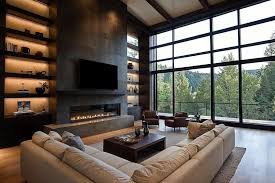
Walk into a beautifully designed room, and the first thing you feel—before you even notice the furniture or the color palette—is the light. Good lighting design doesn’t just help you see. It shapes how a space feels, how large it appears, and how comfortably you move through it.
Layered lighting is the secret behind those warm, inviting interiors you see in design magazines. Rather than relying on a single overhead fixture to do all the work, layered lighting combines multiple light sources at different levels to create depth, balance, and atmosphere. Once you understand how it works, it changes the way you look at every room in your home.
The Three Layers of Lighting Design
A well-executed lighting design typically draws from three distinct layers, each with its own purpose.
Ambient lighting is your foundation—the general illumination that allows you to move through a space safely and comfortably. Ceiling fixtures, recessed lights, and chandeliers all fall into this category.
Task lighting is more focused. It serves a specific function, like a desk lamp that helps you concentrate while working, under-cabinet lighting that brightens your kitchen counter, or a reading lamp positioned next to your favorite chair. Task lighting reduces eye strain and makes everyday activities easier.
Accent lighting is where personality enters the picture. Wall sconces, picture lights, and LED strip lights draw attention to architectural details, artwork, or shelving. While accent lighting contributes less to overall illumination, it adds visual interest and gives a room its sense of character.
Together, these three layers create a cohesive and flexible lighting design that serves both function and aesthetics.
Why Layered Lighting Makes Such a Difference
The benefits go beyond good looks. Here’s why homeowners and interior designers consistently recommend a layered approach:
- Depth and dimension: A single overhead light flattens a room. Multiple light sources at varying heights create shadows and highlights that make a space feel more dynamic and three-dimensional.
- Mood flexibility: With different layers in place, you can adjust the ambiance throughout the day—bright and energizing in the morning, soft and relaxed in the evening.
- Energy efficiency: Rather than running a powerful overhead fixture at full strength all day, layered lighting lets you use only what you need, when you need it.
- Elevated aesthetics: Thoughtful lighting design pulls a room together. It can make ceilings feel taller, highlight your best design choices, and add warmth to any interior.
Practical Tips for Bringing Layered Lighting Into Your Home
You don’t need to renovate your entire home to get started. A few intentional changes can have a significant impact.
Start with your ambient layer. Choose a ceiling fixture that provides even, comfortable illumination across the room. Avoid anything too harsh or too dim—this layer sets the baseline for everything else.
Add task lighting where you need it most. Think about how you actually use each room. A kitchen island benefits from pendant lights directly above it. A home office needs a reliable desk lamp. Bedside reading calls for adjustable wall-mounted sconces.
Layer in accent lighting last. This is the most creative part of the process. LED strips along the back of shelving units create a soft glow that highlights your objects without overwhelming them. Picture lights draw the eye to framed artwork. A well-placed floor lamp in the corner of a living room adds warmth without competing with other light sources.
Install dimmers wherever possible. A dimmer switch is one of the most affordable upgrades you can make to any room. It transforms a fixed lighting setup into a fully adjustable one, giving you complete control over the atmosphere at any hour.
Build Your Lighting Design Layer by Layer
Layered lighting design transforms ordinary rooms into spaces that feel thoughtfully put together. The beauty of this approach is that you don’t have to do it all at once. Start with one room, add one new light source, and observe the difference it makes.
Over time, a layered lighting design strategy becomes second nature. You’ll start to notice light the way designers do—not just as a practical necessity, but as one of the most powerful tools available for shaping how a home looks and feels.