

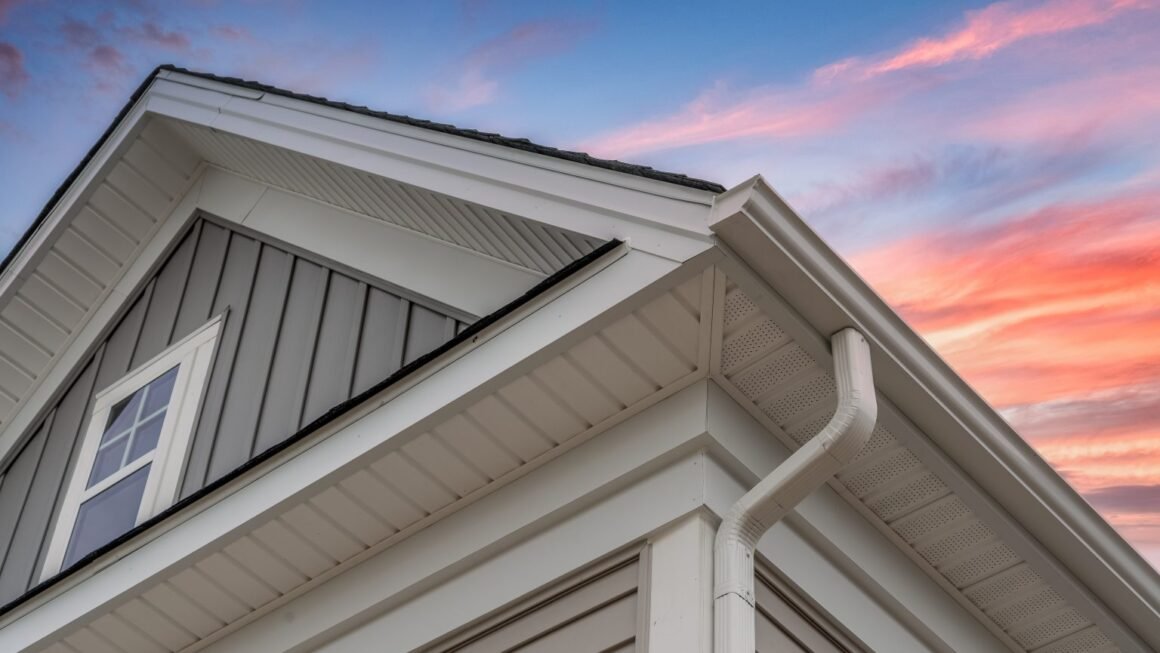
A roof and gutter system does its most important work quietly. It directs rain away from the structure, protects the attic and walls from moisture, and helps preserve the parts of a home that are expensive to repair. Because most of the system is overhead, it is easy to overlook until a stain appears on the ceiling, a gutter begins to overflow, or a storm exposes a problem. Routine maintenance gives homeowners a better chance to spot small concerns before they become disruptive repairs.
For Metro Atlanta homeowners who want professional support with inspections, repairs, maintenance, and drainage concerns, Classic Roofing & Gutters provides residential roofing and gutter services. A strong maintenance routine does not mean attempting risky work yourself. It means knowing what to observe from the ground, keeping water paths clear, recording changes, and calling a qualified professional when the issue requires a closer evaluation.
Understand How the System Works Together
Roofs and gutters should be considered one protective system rather than two separate features. The roof sheds water; the gutters capture runoff; downspouts carry it away from the foundation; and the surrounding grade should direct water outward. If one part is blocked, damaged, or poorly aligned, water may travel where it should not. That can lead to overflow, damp walls, soil erosion, and other moisture-related concerns.
Start by taking a simple walk around the house after a normal rain. Look for water spilling over gutter edges, downspouts that discharge too close to the foundation, muddy areas near the home, or sections where water seems to pool. You do not need to diagnose the cause from the ground. The purpose is to notice patterns and document where they occur so that you can discuss them clearly if an inspection is needed.
Inside the home, pay attention to water stains, peeling paint, musty odours, bubbling drywall, or unexplained dampness near ceilings and exterior walls. These signs do not always point to a roof leak, but they should not be ignored. Moisture can travel along framing or other materials before becoming visible, so the location of a stain may not match the source of the problem.
Build a Seasonal Inspection Routine
A maintenance schedule is easier to follow when it is tied to the seasons. In Metro Atlanta, changing weather, summer heat, heavy rain, wind, and falling leaves can all affect roof and gutter performance. You do not need a complicated checklist every month. A few purposeful reviews during the year can help you stay ahead of common issues.
In spring, look for debris that collected during winter and early storms. Check whether gutters are draining freely and whether any branches are hanging close to the roof. In summer, pay attention after strong rain or wind events. Look for lifted shingles, loose gutter sections, or visible debris on the roofline from a safe position on the ground.
In fall, gutter cleaning becomes particularly important as leaves and small twigs build up. Water needs a clear route to the downspouts before periods of heavy rain. During winter, look for standing water, overflowing gutters, and signs of drainage problems around the foundation. If your home has a steep roof, multiple stories, or difficult access, schedule professional maintenance rather than trying to reach unsafe areas.
| Maintenance task | What to observe | Best response |
| Ground-level roof check | Missing-looking shingles, sagging areas, storm debris, or flashing concerns. | Photograph the area from the ground and request an inspection if it appears damaged. |
| Gutter review | Overflow, sagging sections, loose brackets, or visible debris. | Clear accessible debris safely or arrange professional cleaning and repair. |
| Downspout check | Water dumping near the foundation or a disconnected extension. | Reconnect or extend the discharge path so water moves away from the home. |
| Attic observation | Damp insulation, musty smell, staining, or daylight where it should not appear. | Contact a roofing professional promptly for an assessment. |
| Tree management | Limbs rubbing the roof or branches hanging above it. | Arrange appropriate trimming with a qualified tree professional. |
Keep Gutters and Downspouts Clear
Gutters can only work when water can reach and move through them. Leaves, pine needles, roof grit, seed pods, and small branches can block the channel or downspout opening. When water backs up, it may overflow onto siding, landscaping, walkways, or the ground beside the foundation. Over time, repeated overflow can create avoidable wear and drainage issues.
If you clean gutters yourself, make safety the first priority. Use stable equipment, avoid working alone, and do not take risks on a wet, steep, or high roof. Many homeowners are better served by hiring a professional, especially when the roofline is tall, the property has uneven ground, or the gutters are hard to reach. The goal is to keep the water path open, not to turn a routine task into an injury risk.
After cleaning, confirm that downspouts are clear and securely connected. A gutter may look clean from above but still fail if the downspout is clogged. Watch the outlet during rain if it is safe to do so. Water should discharge away from the foundation, not collect directly beside it. Extensions, splash blocks, or other drainage solutions may help guide water farther from the home when appropriate for the site.
Watch for Early Roofing Warning Signs
Roof problems do not always announce themselves with a dramatic leak. Subtle changes can provide an early signal that it is time to schedule an evaluation. From the ground, look for uneven rooflines, areas that appear to sag, displaced or damaged-looking shingles, exposed sections around pipes or vents, and gutters pulling away from the fascia.
Granules in gutter debris can also be worth noting, especially if the amount appears to increase over time. Asphalt shingles naturally shed some material as they age, but a sudden or heavy buildup may justify a closer look. The same applies to repeated debris in one area, which may indicate a nearby tree branch or a section of roof that is not shedding water as intended.
Indoors, check the attic periodically when it is safe and accessible. Look for damp insulation, dark staining on wood, mildew-like odours, or visible light through the roof deck. Do not touch questionable materials or attempt a repair from inside the attic. Take a photograph if possible and share it with a qualified roofing professional. Prompt attention can help limit the spread of moisture-related damage.
Protect the Roof From Nearby Trees
Trees add beauty and shade to a property, but branches can create roofing concerns when they grow too close. Limbs that scrape shingles in the wind can wear away protective surfaces. Overhanging branches can deposit leaves and twigs in gutters, while a severe storm can cause larger limbs to fall on the roof.
Walk the property and look for branches that touch the roof or hang directly above vulnerable areas. Tree work can be dangerous, particularly near power lines or at height, so it should be handled by a qualified professional when trimming is needed. The goal is not to remove every tree near the house. It is to maintain sensible clearance and reduce the chance of debris or physical damage.
Keeping branches managed also helps sunlight and air reach the roof. Excessive shade can slow drying after rain, while piles of leaves may trap moisture against the roofing surface. A cleaner, drier roofline is easier to observe and easier to maintain over time.
Do Not Forget Attic Ventilation
A roof is more than the shingles visible from the street. The attic space below can affect how the entire system performs. Proper ventilation and insulation help manage heat and moisture, which can influence comfort, energy use, and the condition of roof materials. The right arrangement depends on the home’s design, existing construction, and local conditions.
Homeowners should not assume that adding more vents is always the answer. Ventilation works as a system, and changes should be evaluated in context. If you notice extreme attic heat, condensation, damp insulation, repeated mould-like odours, or unusually high indoor humidity, a professional can help determine whether the issue involves roofing, ventilation, insulation, or another source.
Avoid blocking attic vents with stored items or insulation. Keep access areas clear enough for periodic visual checks, and make note of any change in smell, staining, or moisture. These observations can be useful during a roofing or home-maintenance inspection.
Respond Calmly After a Storm
After a strong storm, it is natural to want an immediate answer about the roof. Start with a calm ground-level review. Look for fallen branches, visible debris, displaced gutter sections, damaged siding, or water entering the home. Take photographs from safe locations, including wide shots that show where the issue is on the property.
Do not climb onto the roof to inspect storm damage. Wet surfaces, hidden damage, loose materials, and unstable ladders can make the situation unsafe. Instead, contact a qualified roofing professional for an inspection. If there is an active interior leak, use containers to catch water, move belongings away from the area, and avoid electrical hazards. A professional can advise on appropriate temporary protection and a more complete evaluation.
Keep records of what you observe, including the date of the storm, photographs, and any changes inside the home. This documentation may help you explain the situation clearly to a roofing contractor or insurance representative. Focus on accurate details rather than assumptions about the cause.
Know When Professional Maintenance Is Worth It
Professional maintenance is useful because trained roofers can inspect areas that homeowners cannot safely or easily evaluate. They may identify loose flashing, small sealant failures, worn components, drainage issues, or early signs of material wear before those concerns are visible inside the home. A routine visit can also provide a clear record of the roof’s condition and recommended next steps.
When choosing a contractor, look for clear communication, a written scope of work, appropriate insurance, and a willingness to explain findings in understandable terms. Ask what the inspection includes, whether photographs will be provided, and how urgent any recommendation is. You should feel comfortable asking questions before authorising repairs.
For homeowners seeking local information on roof care, gutter maintenance, repair, and inspection services, classicroofing.com is a helpful starting point. A reliable contractor should focus on the actual condition of your roof and drainage system, not use pressure or vague warnings to force a quick decision.
Keep Records and Plan Ahead
A simple home-maintenance file can make roof and gutter care easier over time. Save inspection notes, photographs, repair invoices, warranty documents, contractor reports, and dates of significant storms. These records can help you track recurring concerns and provide useful context if you decide to sell the home or need a future assessment.
It is also helpful to set reminders for gutter checks, seasonal visual inspections, and tree-trimming reviews. Consistency is more valuable than trying to remember every task after a problem appears. A small amount of planned attention can reduce surprises and help you budget for maintenance more realistically.
Final Thoughts
Maintaining a roof and gutter system is largely about prevention. Keep water moving away from the home, watch for changes after weather events, manage nearby trees, and address early warning signs before they grow. Most importantly, respect the safety limits of do-it-yourself maintenance. A roof is not the place to take chances with ladders or steep surfaces.
With seasonal observation, clear gutters, careful drainage, good records, and professional help when needed, Metro Atlanta homeowners can take practical steps to protect one of the most important systems in the home. The goal is not perfection. It is to keep small issues visible, manageable, and less likely to become major disruptions.