

A property may appear to be in excellent condition during a viewing, but its most expensive problems are not always visible. Roof damage, outdated wiring, plumbing leaks, foundation movement, and moisture problems can remain unnoticed until a professional evaluates the home.
Choosing the right inspection helps you understand the condition of the property before you make a major financial commitment. The best inspection option depends on why the property is being inspected, its age, location, construction, and insurance requirements.
Some buyers need a comprehensive inspection, while certain homeowners may only be asked to obtain a 4 point home inspection for insurance purposes. Understanding these differences can help you choose the appropriate service and avoid paying for an inspection that does not meet your needs.
Start With the Purpose of the Inspection
Before contacting an inspector, determine why you need the property evaluated. A person buying a home usually needs a complete inspection that reviews the overall condition of the structure and its major systems.
A homeowner applying for or renewing insurance may be asked for a more limited report. In this situation, the insurance provider might request a 4 point home inspection rather than a complete property inspection.
Sellers may also arrange an inspection before listing their property. This allows them to identify problems, complete repairs, and reduce the likelihood of unexpected findings during negotiations.
Because every inspection serves a different purpose, you should confirm the requirements with your real estate agent, lender, or insurance company before scheduling the service.
Understand What a Standard Home Inspection Covers
A standard home inspection provides a broad visual evaluation of the accessible areas of a property. The inspector looks for signs of damage, safety concerns, poor installation, and systems that may require repair or further investigation.
A typical inspection may include the following areas:
- Foundation and visible structural components
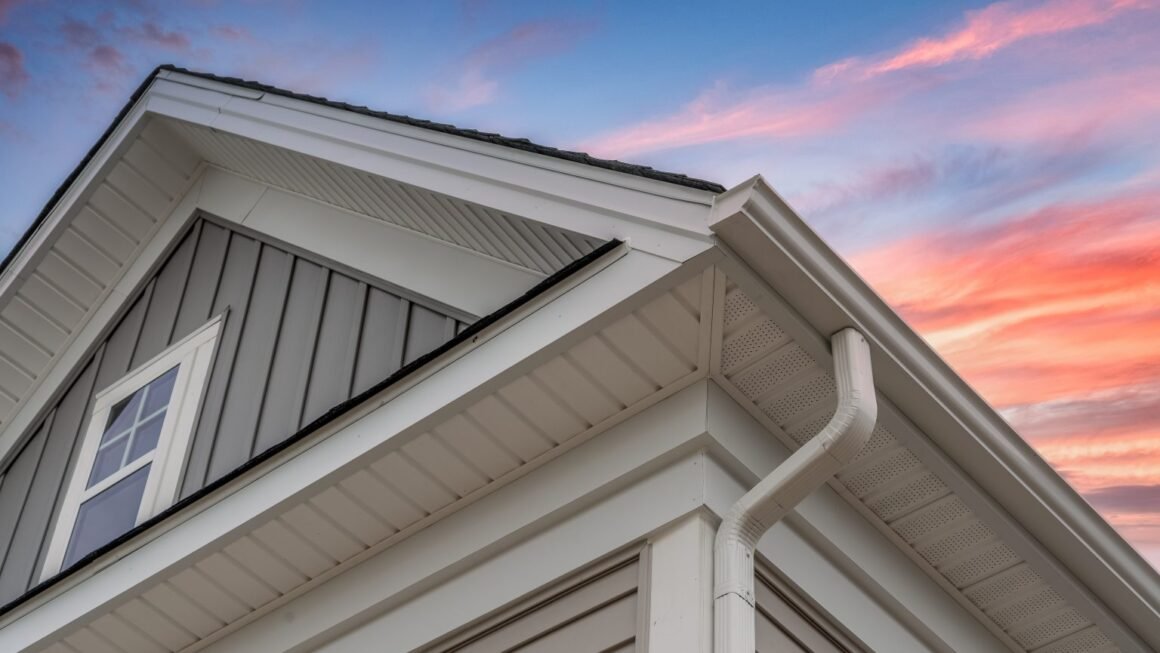
- Roof, attic, gutters, and drainage
- Electrical panels, outlets, and visible wiring
- Plumbing fixtures, pipes, and water heaters
- Heating and cooling equipment
- Walls, ceilings, floors, windows, and doors
- Basement and crawl space
- Insulation and ventilation
- Exterior siding, grading, and walkways
- Built in appliances
The exact scope can vary between inspectors and locations. Ask for a written list of included areas before booking the service. You should also confirm whether detached garages, pools, sheds, guest houses, septic systems, and wells are included.
A standard inspection is usually the most appropriate choice when purchasing a home because it provides a wider understanding of the property. However, it is still a visual assessment. Inspectors do not normally open walls, move heavy furniture, or damage materials to search for hidden defects.
Average Cost Home Inspection US 2026
People searching for Average Cost Home Inspection US 2026 should remember that there is no single price for every property. Current national estimates place the average near $344, with many standard inspections ranging from approximately $296 to $424. The final amount can be higher for large, old, unusual, or complex properties. Angi’s 2026 cost data reports similar figures.
The size of the home is one of the most important pricing factors. A larger property takes more time to inspect and may contain additional systems, rooms, and exterior features. Location also affects the fee because labor rates and property types vary across the United States.
Other factors that may affect the price include the age of the home, foundation type, number of heating and cooling systems, accessibility, and services added to the standard inspection.
A lower quote is not always the best value. The inspector’s experience, qualifications, reporting quality, and attention to detail are more important than saving a small amount on the initial fee.
What Is a 4 Point Home Inspection?
A 4 point home inspection is a focused review of four major property systems:
- Roofing
- Electrical
- Plumbing
- Heating, ventilation, and air conditioning
This inspection is commonly associated with homeowners insurance, particularly for older properties and in markets such as Florida. Insurance companies use the report to evaluate the condition and age of systems that could create costly claims.
The roof portion may document the material, condition, visible damage, and estimated remaining life. The electrical section may record the panel type, wiring materials, and visible safety concerns. The plumbing review may identify the pipe materials, leaks, water heater condition, and other concerns. The heating and cooling section generally records the equipment type, age, and operating condition.
A 4 point home inspection is much more limited than a complete home inspection. It does not usually provide a detailed review of the foundation, drainage, windows, doors, attic, interior finishes, appliances, or every visible component of the property. Its main purpose is to help an insurance company understand risk. Kin Insurance also explains that it is typically requested by an insurer and is not a replacement for a full buyer’s inspection.
Decide Between a Full Inspection and a 4 Point Inspection
Your reason for requesting the inspection should guide your decision.
If you are buying a property, a complete home inspection is generally the better choice. It provides broader information that can help you evaluate the property, plan repairs, and make an informed purchasing decision.
If an insurance provider specifically requests a 4 point home inspection, you should arrange that service using any forms or documentation required by the company.
In some cases, a buyer may need both. The complete inspection helps the buyer understand the condition of the property, while the 4 point report provides the information requested by the insurance company.
Do not assume that one report automatically satisfies every requirement. Ask your insurance provider whether it has a required form, acceptable report format, or rules regarding the inspector’s qualifications.
Consider the Property’s Age
Older homes often require more careful evaluation because their systems may have been repaired, replaced, or modified by different owners. Some improvements may have been completed without permits or professional installation.
An older property may contain aging plumbing, outdated electrical components, insufficient insulation, older roofing, or heating equipment that is approaching the end of its useful life.
The inspector should have experience with homes from the same period. Someone familiar with older construction may be better prepared to recognize common materials, installation methods, and potential concerns.
New homes also benefit from inspections. New construction can have incomplete work, installation mistakes, drainage problems, damaged materials, and items that were overlooked during the building process. A newly built property should not automatically be considered free from defects.
Evaluate Location Specific Risks
The right inspection also depends on where the property is located. Different regions face different environmental and construction risks.
Homes in humid climates may be more vulnerable to moisture and mold. Properties in areas with termite activity may need a separate pest inspection. Homes in regions with elevated radon potential may benefit from radon testing.
Coastal properties may require closer attention to corrosion, wind damage, roofing, and flood exposure. Rural homes may have private wells, septic systems, barns, or access roads that are not included in a standard service.
Ask the inspector which problems are common in your area and whether additional testing is recommended. Local experience can be particularly valuable because the inspector is more likely to understand regional building practices and environmental conditions.
Determine Whether You Need Additional Inspections
A standard home inspection does not cover every possible issue. Depending on the property, you may need one or more specialized services.
These may include:
- Radon testing
- Termite and pest inspection
- Mold assessment
- Sewer camera inspection
- Septic system evaluation
- Well water testing
- Chimney inspection
- Pool and spa inspection
- Foundation evaluation
- Lead based paint testing
The general inspector may recommend a specialist after identifying warning signs. For example, visible cracking may require review by a structural engineer, while roof damage may need evaluation by a qualified roofing contractor.
Additional services increase the initial cost, but they may reveal problems that could become much more expensive after the purchase.
Check the Inspector’s Qualifications
Home inspector requirements vary by state, so buyers should understand the rules in their location. Confirm whether the inspector holds any required license, certification, insurance, or professional membership.
Experience is also important. Ask how many inspections the person has completed and whether they regularly inspect properties similar to yours.
You should request a sample report before making a decision. A useful report should be clear, organized, and supported by photographs. It should distinguish significant concerns from routine maintenance and recommend further evaluation when necessary.
Avoid choosing someone based only on availability or price. A thorough inspection can take several hours, depending on the property. An unusually fast inspection may not provide enough time to examine the accessible systems carefully.
Ask What Is Excluded
Every inspection has limitations. Ask what the inspector will not evaluate so you can decide whether separate services are needed.
Common exclusions may include concealed pipes, underground systems, inaccessible roof areas, environmental hazards, cosmetic issues, and code compliance. Inspectors may also be unable to assess areas blocked by stored items or unsafe conditions.
Understanding these limitations prevents confusion after the report is delivered. It also gives you time to arrange additional evaluations before your inspection period ends.
Attend the Inspection When Possible
Attending the inspection gives you an opportunity to see concerns directly and ask questions about the property. The inspector can explain how important systems work, point out shutoff locations, and identify maintenance needs.
Avoid distracting the inspector with constant questions while the evaluation is underway. Instead, allow the person to follow an organized process and ask for explanations at appropriate times.
The written report remains important, but seeing an issue in person can make it easier to understand its location, severity, and possible effect on the property.
Review the Report Carefully
The inspection report should not be treated as a simple pass or fail result. Most homes have some defects, including newly constructed properties.
Focus on issues involving safety, structure, water intrusion, roofing, electrical systems, plumbing, and major equipment. Minor cosmetic concerns may be less urgent, but they should still be included in your maintenance planning.
When the inspector recommends specialist evaluation, arrange it before making a final decision whenever possible. A general inspection can identify a concern, but a qualified specialist may be needed to determine the repair method and estimated cost.
Make the Right Choice for Your Property
The right inspection is the one that matches your purpose and provides the information needed to make a confident decision. Buyers generally benefit from a complete inspection, while homeowners may need a 4 point home inspection to satisfy an insurance request.
Property age, location, construction, insurance requirements, and additional features should all influence your choice. Price matters, but it should not be the only consideration. The quality and scope of the inspection can have a much greater effect on your financial protection.
By reviewing the inspector’s qualifications, confirming what is included, and considering specialized services, you can select an inspection that helps protect both your property and your budget.