
Ask any well-dressed man about the one item that pulls his whole look together, and there’s a good chance he’ll point to his jacket. Not his shoes. Not his watch. His jacket.
There’s a reason for that. A jacket sits on top of everything else you’re wearing. It’s the first thing people notice and often the last thing they remember. Swap a plain T-shirt for a fitted jacket, and suddenly the same jeans and sneakers look like a deliberate outfit instead of something you grabbed off the floor.
This is what stylists quietly call the “jacket effect.” It’s not about spending more money on clothes. It’s about understanding that one well-chosen outer layer can do more for your appearance than five new shirts combined.
In this guide, we’ll break down why jackets carry so much visual weight, how to choose one that actually suits your body and lifestyle, and how to build a wardrobe where your outerwear works for you instead of against you.
Why a Jacket Has More Style Power Than Any Other Garment
Clothing works in layers, and layers work in hierarchy. Whatever sits on top of your outfit is what the eye lands on first.
A jacket isn’t just fabric. It shapes your silhouette. It frames your shoulders, defines your waist, and sets the tone for everything underneath it. A boxy, ill-fitting jacket can make even expensive clothes look cheap. A sharp, well-cut one can make a basic tee and denim combo look expensive.
Think about it this way:
- Shirts and T-shirts communicate casualness or formality.
- Trousers and jeans communicate fit and proportion.
- But the jacket communicates character.
It’s the piece that says whether you’re heading to a boardroom, a weekend brunch, or a motorcycle ride. No other single item carries that much narrative weight.
The Psychology Behind First Impressions and Outerwear
Research on first impressions consistently shows that people form judgments about competence, confidence, and status within seconds of meeting someone. Clothing plays a major role in that snap judgment, and outerwear is usually the most visible part of an outfit in public settings like offices, restaurants, and social events.
A structured jacket adds visual authority. Broader shoulders, a tapered waist, and clean lines subconsciously signal discipline and self-respect. This is part of why bomber jackets, blazers, and leather jackets have remained wardrobe staples across generations; they do psychological work that a plain hoodie simply can’t.
This doesn’t mean you need to dress formally every day. It means the cut and quality of your jacket often matters more than the brand name stitched inside it.
Types of Jackets Every Man Should Understand
Not every jacket serves the same purpose. Knowing the basic categories helps you build a wardrobe that actually covers your needs instead of collecting near-duplicates.
Casual Everyday Jackets
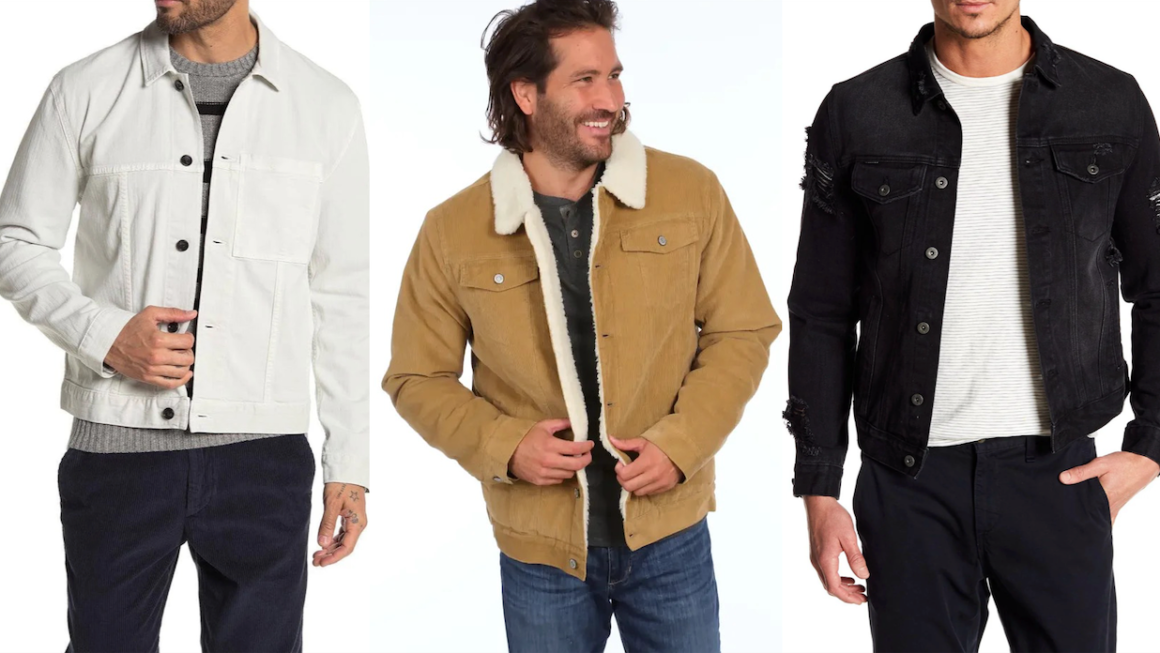
Bombers, denim jackets, and field jackets fall here. They’re built for comfort and versatility, ideal for weekends, travel, and relaxed social settings.
Smart-Casual Jackets
Blazers, unstructured sport coats, and quilted jackets bridge the gap between formal and casual. These work well for dinners, dates, and semi-formal office environments.
Statement Leather Jackets
This category includes biker jackets, bomber-style leather jackets, and the classic aviator jacket men have relied on for decades. Aviator jackets carry a rugged, confident energy that instantly upgrades even the simplest outfit — a plain white tee and jeans suddenly look intentional and stylish underneath one.
Functional Outerwear
Parkas, trench coats, and heavy winter jackets prioritize protection from the elements without sacrificing shape. These matter most in colder climates but still deserve attention to fit.
How to Choose the Right Jacket for Your Body Type
A jacket that looks incredible on one man can look completely wrong on another. Body proportions matter more than trends.
For a slim build: Look for structured shoulders and slightly padded jackets. This adds visual width and prevents the jacket from looking like it’s swallowing you.
For a broader or muscular build: Avoid overly boxy cuts. A tailored or semi-fitted jacket keeps the silhouette clean instead of adding bulk.
For taller men: Longer jacket lengths work well, but avoid anything too oversized, which can make you look disproportionate.
For shorter men: Cropped or waist-length jackets create better proportion than longer coats, which can visually shorten the legs.
A quick rule of thumb: the shoulder seam should sit right at your natural shoulder edge, not drooping past it. This single detail affects fit more than almost anything else.
Leather Jackets: The Timeless Investment Piece
If there’s one jacket category that never goes out of style, it’s leather. Unlike trend-driven pieces, a well-made leather jacket only improves with age, developing character and a broken-in softness that synthetic materials can’t replicate.
Leather jackets also offer practical advantages:
- Durability: Genuine leather can last decades with proper care.
- Versatility: It pairs equally well with jeans, chinos, or even tailored trousers.
- Timeless appeal: Styles from the 1950s still look current today.
The aviator style in particular has stayed relevant because of its balance between rugged utility and refined shape. Originally designed for pilots who needed warmth at high altitudes, it has since become a menswear staple precisely because it flatters almost every body type while adding instant edge to an outfit. Shoppers looking for a genuine leather option often turn to specialists like The Leather Coats for craftsmanship that holds up over years of wear.
Caring for Your Jacket So It Lasts for Years
A great jacket is only as good as the care behind it. Leather especially needs attention, since neglect leads to cracking, stiffness, and premature aging.
A few maintenance basics:
- Store leather jackets on wide hangers, never wire ones, to preserve shoulder shape.
- Keep leather away from direct heat sources, which dry it out.
- Condition leather every few months to maintain flexibility.
- Clean stains promptly using products made specifically for leather.
New leather jackets often feel stiff right out of the box, which is completely normal. Give the material time to break in naturally through regular wear, and avoid harsh shortcuts that can damage the grain. A little patience during the first few weeks pays off with a jacket that molds to your shape and feels better with every wear.
Styling Tips: Building Outfits Around Your Jacket
Once you own a jacket that fits well, the rest of your outfit should support it rather than compete with it.
- Keep the base simple. A plain tee, henley, or button-down lets a statement jacket do the talking.
- Match textures thoughtfully. Leather pairs beautifully with denim and cotton, creating contrast without clashing.
- Mind proportions. If your jacket is fitted, avoid pairing it with overly baggy trousers, and vice versa.
- Layer with intention. A jacket over a hoodie or sweater can look effortless when the layers aren’t fighting for attention.
- Don’t overaccessorize. A strong jacket often needs minimal jewelry or add-ons to look complete.
The goal isn’t to plan an elaborate outfit every day. It’s to build a small rotation of go-to combinations that consistently look put together.
Common Jacket Mistakes Men Make
Even stylish guys fall into a few predictable traps:
- Buying based on trend instead of fit. A jacket that photographs well online doesn’t always suit your proportions.
- Ignoring sleeve length. Sleeves that end past the wrist bone read as sloppy, not relaxed.
- Over-layering in warm weather. Jackets are seasonal tools, not year-round defaults.
- Neglecting maintenance. Skipping basic care shortens a jacket’s lifespan significantly.
- Owning too many similar styles. Two or three versatile jackets usually outperform a closet full of near-duplicates.
Avoiding these mistakes is often more impactful than chasing new purchases.
FAQs
1. What makes a jacket the most important part of a man’s outfit?
Because it’s the outermost, most visible layer, a jacket shapes the silhouette, sets the tone, and creates the first visual impression before anyone notices the rest of the outfit.
2. How do I know if a jacket fits correctly?
The shoulder seams should align with your natural shoulders, the jacket shouldn’t pull across the back when buttoned, and sleeves should end near the wrist bone.
3. Are leather jackets worth the investment?
Yes. With proper care, genuine leather jackets can last decades, often outlasting several cheaper alternatives while aging into a more refined appearance.
4. What’s the difference between an aviator jacket and a bomber jacket? Aviator jackets typically feature shearling or fur collars and a heavier build for warmth, while bomber jackets are lighter, often ribbed at the cuffs and hem, and designed for everyday versatility.
5. How often should I condition a leather jacket?
Most leather care experts recommend conditioning every two to three months, or more frequently if you live in a dry climate or wear the jacket regularly.
Conclusion
The right jacket doesn’t just complete an outfit; it defines it. It’s the piece that turns a basic tee-and-jeans combination into something that looks deliberate, confident, and current.
Whether you’re building a capsule wardrobe or simply looking to upgrade your everyday style, investing in one well-fitted, quality jacket will do more for your appearance than a dozen forgettable pieces. Pay attention to fit, choose materials that age well, and take care of what you own.
Once you experience the jacket effect firsthand, you’ll understand why so many stylish men treat outerwear as the true foundation of their wardrobe.