

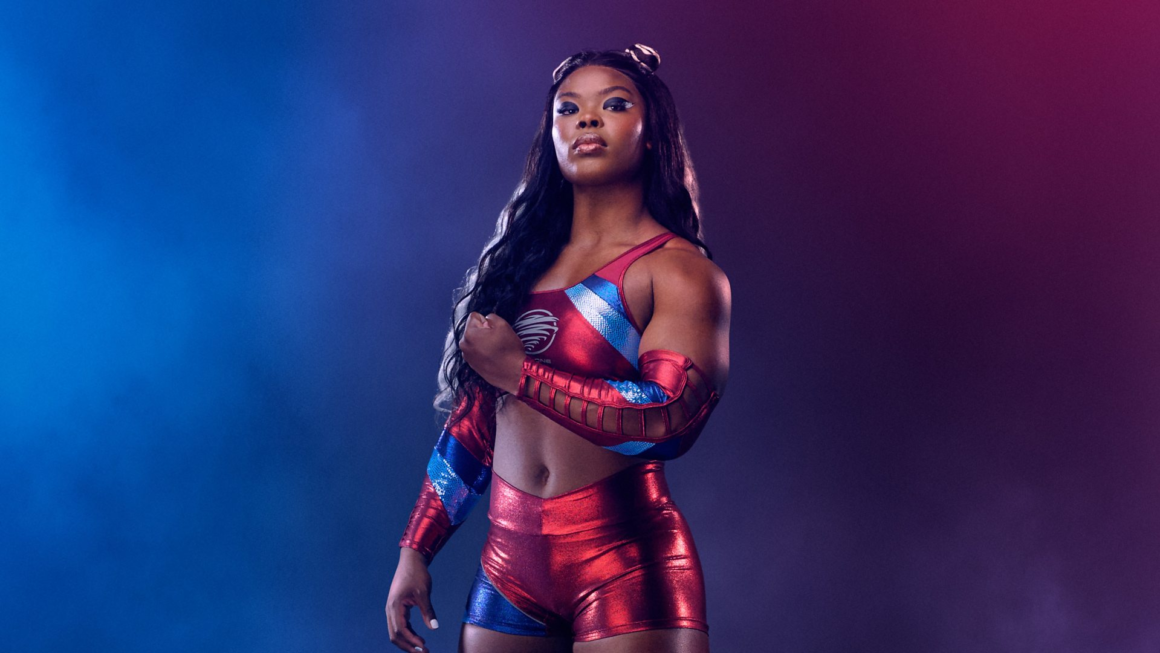
The phrase cyclone gladiators immediately brings to mind speed, toughness, spectacle, and the larger-than-life atmosphere that makes professional wrestling so entertaining. Wrestling has always been full of memorable names and concepts, but some terms stand out because they combine the physical intensity of competition with the theatrical personality of the sport. Cyclone gladiators fits that description perfectly, suggesting athletes who bring relentless energy into every contest while embracing the showmanship that wrestling fans expect.
What makes the idea especially interesting is the way wrestling blends legitimate athletic ability with storytelling. A great wrestler needs strength and conditioning, but that is only part of the equation. Timing, charisma, crowd connection, character development, and the ability to make a match feel meaningful can be just as important. The concept behind cyclone gladiators captures that combination of athletic competition and entertainment.
Whether someone discovers the term while exploring wrestling history, looking for information about a particular promotion, or simply searching for unusual wrestling-related names, there is plenty to appreciate. The world of wrestling is filled with colorful traditions, regional promotions, unforgettable personalities, and creative concepts that do not always receive the same attention as the biggest mainstream organizations.
What Does Cyclone Gladiators Mean?
At its simplest, cyclone gladiators sounds like a description of wrestlers who compete with extraordinary intensity. The word “cyclone” suggests speed and uncontrolled momentum, while “gladiators” brings to mind combatants entering an arena to test their abilities. Put together, the phrase creates a powerful image of competitors who are difficult to slow down once the action begins.
Professional wrestling has always relied heavily on memorable terminology. Names have to communicate something quickly to the audience. A strong name can suggest a wrestler’s personality, the style of a promotion, or even the atmosphere surrounding an event. Cyclone gladiators has the kind of dramatic quality that naturally fits this tradition.
There is also an interesting contrast within the phrase. A cyclone is chaotic and unpredictable, while a gladiator traditionally represents discipline, courage, and preparation. Combining those ideas creates a picture of an athlete who can remain physically prepared while still producing explosive, unpredictable action. That balance is one of the qualities that makes wrestling so compelling.
The Athletic Side of Wrestling
Behind the costumes, entrances, music, and storylines, professional wrestling demands serious physical preparation. Wrestlers need cardiovascular conditioning because matches can involve sustained movement, rapid changes of direction, and repeated high-impact sequences. Strength training is equally important because performers must control their own bodies and work safely with their opponents.
Speed is another major factor. A wrestler who can move quickly around the ring can create a different rhythm from a competitor who relies primarily on power. This is where the “cyclone” idea becomes particularly fitting. Fast-paced wrestling can make a match feel as though it is constantly accelerating, giving audiences very little time to predict what will happen next.
Recovery and consistency matter just as much as raw athleticism. Wrestling schedules can be demanding, and performers may have to compete regularly while traveling between different venues. Maintaining fitness, learning new techniques, and managing fatigue are all parts of the professional lifestyle. The spectacle fans see in the ring is supported by considerable preparation outside it.
Why Character Matters So Much
One of the biggest differences between professional wrestling and traditional competitive sports is the importance of character. Fans do not simply watch athletes perform physical techniques. They become invested in personalities, rivalries, friendships, betrayals, comebacks, and personal journeys.
A memorable wrestling character can turn an ordinary match into an event. The audience may support a heroic performer, boo an arrogant villain, or become fascinated by a mysterious character whose motivations are unclear. The wrestler’s presentation, clothing, entrance, speaking style, and behavior all contribute to the overall identity.
That is another reason a phrase like cyclone gladiators feels naturally suited to wrestling. It communicates personality before the audience even knows the complete story. A wrestler associated with such a concept could be presented as energetic, aggressive, fearless, or unpredictable. Good wrestling terminology gives performers a foundation from which a larger character can be developed.
The Importance of the Wrestling Crowd
A wrestling match is never just about what happens inside the ring. The crowd plays a huge role in determining the atmosphere. Cheers can make a wrestler appear more powerful, while sustained boos can transform an antagonist into the central focus of the show.
Experienced wrestlers understand how to work with an audience. Sometimes that means slowing down and allowing fans to react. At other times, it means suddenly increasing the pace and creating a dramatic moment. The best performers recognize that silence, anticipation, laughter, cheering, and booing can all become part of the match.
The idea of cyclone gladiators fits particularly well with an energetic crowd because the phrase itself suggests movement and excitement. Wrestling thrives when spectators feel that something unpredictable could happen at any moment. That emotional connection is one of the reasons the industry has remained popular across generations.
Wrestling Promotions and Regional Culture
Professional wrestling is much broader than the largest televised companies. For decades, regional promotions have played an important role in developing performers, styles, and fan communities. Many wrestlers begin their careers in smaller organizations before gaining wider recognition.
Regional wrestling also develops its own traditions. A promotion may have a distinctive visual identity, preferred match styles, or a particular relationship with its local audience. These smaller scenes can provide an environment where performers experiment with characters and improve their skills.
This broader wrestling culture is important when discussing terms such as cyclone gladiators. Not every memorable wrestling concept becomes internationally famous. Some names remain associated with specific communities, eras, promotions, or fan discussions. That does not necessarily make them less interesting. In many cases, those lesser-known pieces of wrestling history are exactly what longtime fans enjoy discovering.
The Evolution of Wrestling Styles
Wrestling has changed dramatically over the years. Earlier generations often placed a strong emphasis on technical wrestling, physical storytelling, and carefully structured matches. Later periods introduced faster pacing, more athletic maneuvers, stronger character work, and increasingly sophisticated production.
Modern wrestling often combines several styles in a single match. A competitor might begin with technical exchanges, transition into powerful strikes, and finish with fast aerial sequences. This variety gives wrestlers more opportunities to develop distinctive identities.
The concept suggested by cyclone gladiators fits comfortably into that evolution because it emphasizes movement and intensity without limiting a performer to one specific technique. A wrestler can be powerful while remaining fast, or technical while still producing explosive moments. Modern audiences tend to appreciate performers who can adapt rather than relying on only one dimension of their game.
What Makes a Wrestler Memorable?
Not every talented wrestler becomes a household name. Wrestling history is full of performers who were technically excellent but struggled to connect with larger audiences. Becoming memorable usually requires a combination of ability, personality, timing, opportunity, and luck.
A wrestler needs something that audiences can immediately recognize. That could be a distinctive entrance, a powerful finishing move, a unique appearance, an unforgettable catchphrase, or an unusual wrestling style. The goal is to create an identity that stays in the viewer’s mind after the match ends.
Consistency is equally important. A memorable performer needs to deliver repeatedly rather than producing one impressive moment and disappearing. Fans develop loyalty when they believe a wrestler will continue to provide entertaining performances. That long-term connection is often what separates a cult favorite from a genuinely legendary figure.
The Entertainment Value of Wrestling
Professional wrestling occupies a fascinating position between sport and entertainment. Matches require physical skill and coordination, but the surrounding presentation gives them a theatrical dimension. Entrance music, lighting, commentary, costumes, interviews, and storylines all contribute to the final product.
That mixture explains why wrestling can appeal to such a broad audience. One viewer may enjoy technical wrestling, another may prefer dramatic storytelling, and someone else may simply enjoy the spectacle. A well-produced wrestling event can offer all of these experiences in the same evening.
The phrase cyclone gladiators reflects that theatrical quality. It sounds dramatic enough to belong on a wrestling poster while also suggesting athletic competition. Wrestling has always understood the importance of creating names and concepts that feel bigger than everyday life, and this is one of the industry’s most enduring strengths.
Why Fans Continue Discovering Wrestling History
One of the most enjoyable aspects of wrestling fandom is discovering material from the past. Old promotions, forgotten characters, regional championships, unusual gimmicks, and historic matches can reveal how much the industry has changed.
Online communities have made this exploration easier. Fans can exchange memories, locate old footage, discuss performers, and compare different eras. Something that was once known only to a small regional audience can now attract attention from wrestling enthusiasts around the world.
That constant rediscovery keeps wrestling history alive. A term such as cyclone gladiators can become the starting point for a much wider exploration of wrestling culture. Instead of looking only at today’s biggest stars, fans can investigate the names, ideas, and performances that helped shape the industry.
The Lasting Appeal of Cyclone Gladiators
Ultimately, cyclone gladiators is an intriguing phrase because it captures several elements that have always made professional wrestling special: athleticism, drama, speed, toughness, personality, and spectacle. Even without knowing the full story behind a particular use of the term, its imagery feels unmistakably connected to the world of wrestling.
The strongest wrestling concepts are memorable because they create an immediate mental picture. Cyclone gladiators suggests competitors who enter the arena with energy and determination, turning every appearance into an opportunity to make an impression. That kind of larger-than-life presentation remains central to wrestling.
For fans exploring wrestling beyond the most familiar names, concepts like this can open the door to a deeper appreciation of the industry. Wrestling is not simply about who wins and who loses. It is about the performers, the crowds, the stories, the history, and the unique culture that develops around the ring. That combination is precisely why wrestling continues to attract new generations of fans.
Final Thoughts
The world of cyclone gladiators represents the kind of imaginative language that makes professional wrestling so distinctive. It combines the speed and unpredictability of a cyclone with the courage and physical presence associated with gladiators, creating an image that feels energetic and dramatic.
More importantly, it highlights what wrestling does best. The industry takes athletic performance and transforms it into storytelling. Wrestlers train intensely, develop recognizable personalities, connect with crowds, and create moments that fans remember long after the final bell.
For anyone interested in wrestling history and culture, exploring unusual terms and lesser-known concepts can be just as rewarding as following the biggest stars. Sometimes a single phrase can lead to a much deeper look at the people, performances, promotions, and traditions that have helped make professional wrestling such an enduring form of entertainment.
You May Also Raed: Englishtistic