

Introduction to Asbestlint and Why It Matters
Have you ever come across the term asbestlint and wondered what it actually means? In recent years, this keyword has gained attention because it connects with discussions about asbestos-related materials, safety concerns, and the importance of understanding older building products. While the word itself is not a commonly recognized technical term in the construction industry, it is often associated with asbestos-containing lint-like fibers, insulation materials, or debris that may appear during the breakdown of older products. Understanding what asbestlint refers to can help people make better decisions when dealing with possible asbestos exposure.
Asbestos has a long history of use because of its impressive resistance to heat, chemicals, and fire. For decades, manufacturers used asbestos fibers in insulation, construction materials, automotive parts, and many industrial products. However, later research showed that inhaling asbestos fibers could create serious health concerns. Because of this, awareness about asbestos materials has become extremely important for homeowners, workers, and anyone involved in renovation or demolition projects.
The idea behind asbestlint is closely connected to the tiny fibers that asbestos materials can release when they become damaged or disturbed. These fibers are extremely small and can remain in the air for long periods. Unlike ordinary dust or visible particles, asbestos fibers may not be easy to detect without professional testing. This makes proper knowledge and careful handling essential.
Learning about asbestlint does not mean assuming every old material is dangerous. Instead, it means understanding possible risks and knowing when professional advice is necessary. With the right information, people can protect themselves, their families, and their communities from unnecessary exposure.
What Is Asbestlint and How Is It Related to Asbestos Materials?
The term asbestlint is generally understood as a reference to asbestos-related lint, fibers, or fine particles that may come from asbestos-containing materials. Although it is not a standard scientific classification, people may use the term when describing loose, fibrous, or dusty asbestos material. These materials can sometimes resemble ordinary lint or insulation fibers, which is why confusion can occur.
Asbestos fibers are naturally occurring mineral fibers that were widely used because of their strength and durability. When asbestos products remain intact and undamaged, they may not immediately release harmful fibers into the environment. However, when these materials are cut, broken, drilled, burned, or disturbed, tiny fibers can become airborne.
Asbestlint-related concerns usually appear in older buildings where asbestos products were installed before strict regulations were introduced. Older homes, factories, schools, and commercial buildings may contain asbestos in areas such as ceilings, walls, flooring, pipes, and insulation systems. During repairs or renovations, these materials can become damaged and release fibers.
One of the biggest challenges with asbestos exposure is that the fibers are invisible to the naked eye. A person may not realize they are present without proper testing. This is why experts recommend avoiding unnecessary disturbance of suspicious materials and seeking professional evaluation when asbestos may be involved.
The History Behind Asbestos Use and the Rise of Asbestlint Concerns
For much of the 20th century, asbestos was considered a valuable material. Builders and manufacturers appreciated its ability to resist high temperatures, prevent fires, and improve product strength. It became common in many industries, especially construction, shipbuilding, manufacturing, and insulation production.
During this period, many people were unaware of the long-term health effects linked to asbestos exposure. Workers frequently handled asbestos materials without protective equipment, and asbestos-containing products were installed in countless buildings around the world. This widespread use created a legacy of asbestos materials that still exist today.
Over time, scientific studies connected asbestos exposure with serious respiratory conditions. These findings changed how governments and industries approached asbestos use. Many countries introduced restrictions, regulations, and safety procedures to reduce exposure risks.
The growing awareness of asbestos dangers also increased interest in terms like asbestlint. People began searching for information about asbestos fibers, contamination, and possible signs of exposure. Today, understanding asbestos-related materials is considered an important part of workplace safety and property maintenance.
Possible Risks Associated With Asbestlint Exposure
The main concern with asbestlint is the possibility that asbestos fibers could become airborne and enter the human body through breathing. When asbestos fibers are inhaled, they can travel deep into the lungs and may remain there for many years. Because the body has difficulty removing these fibers, long-term health problems can develop.
One of the major diseases linked to asbestos exposure is mesothelioma, a rare type of cancer affecting the lining of the lungs and other organs. Asbestos exposure has also been associated with lung cancer and asbestosis, a chronic condition that causes scarring of lung tissue. These illnesses often develop after long periods of time.
It is important to understand that risk depends on several factors, including the amount of asbestos exposure, the duration of exposure, and the type of asbestos material involved. A brief accidental encounter does not always lead to health problems, but repeated or heavy exposure increases the level of concern.
People who work in construction, demolition, renovation, or older industrial environments may face higher risks if asbestos safety practices are not followed. Proper training, protective equipment, and professional handling methods help reduce these dangers.
How to Identify Possible Asbestlint Materials
Identifying asbestlint or asbestos-containing materials is not always simple. Many asbestos products look similar to ordinary insulation, fibers, or dust. Visual inspection alone cannot reliably confirm whether a material contains asbestos because asbestos fibers are microscopic.
Older buildings are more likely to contain asbestos-related materials. If a property was built before modern asbestos restrictions, it may be worth checking areas where insulation, fireproofing, or construction materials were commonly used. However, disturbing these materials without proper knowledge can increase risks.
Professional asbestos inspectors use specialized methods to collect samples and analyze them in certified laboratories. This process provides accurate information about whether asbestos is present. Home testing kits may not always provide the same level of reliability as professional testing.
If suspicious material is discovered, the safest approach is usually to avoid touching or moving it. Keeping the area undisturbed until proper evaluation is completed can help prevent unnecessary fiber release.
Safe Handling and Prevention Methods for Asbestlint Exposure
Preventing exposure is the most effective way to reduce asbestos-related risks. The first step is awareness. People should understand that older materials may require careful attention, especially during renovation, repair, or demolition activities.
If asbestos-containing materials are suspected, avoiding direct contact is important. Cutting, sanding, breaking, or removing these materials without proper equipment can release dangerous fibers into the air. Professional asbestos removal companies follow strict procedures to safely manage these situations.
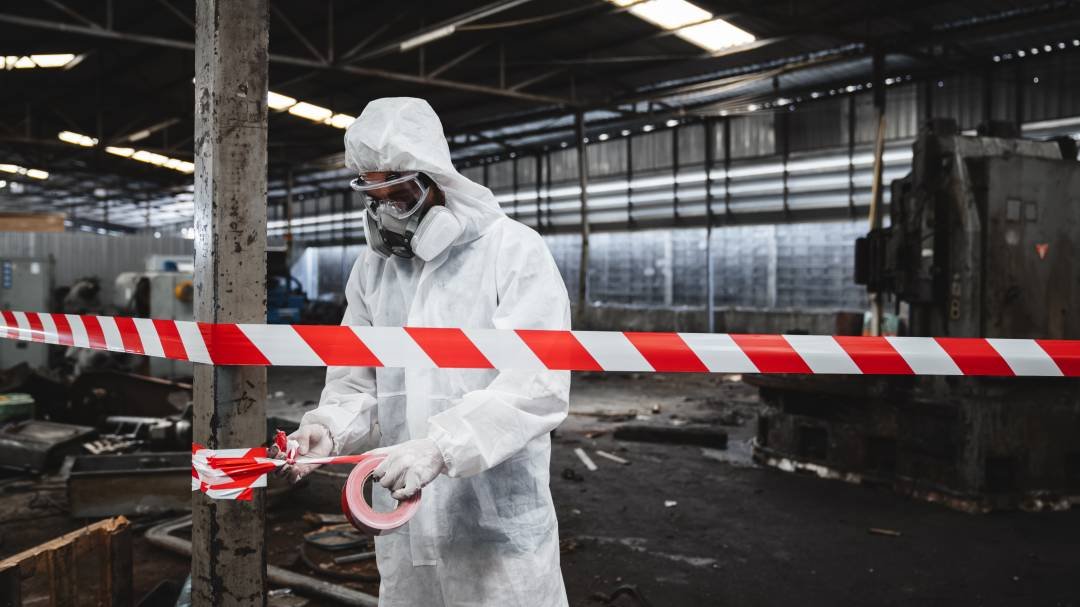
Protective equipment is another important part of asbestos safety. Workers who handle asbestos materials typically use specialized respirators, protective clothing, and controlled work environments. These measures help prevent fibers from being inhaled or carried to other locations.
Regular building inspections can also help identify potential problems before they become serious. Property owners who maintain older buildings can benefit from professional assessments, especially before starting major construction projects.
Why Public Awareness About Asbestlint Is Important
Public awareness plays a major role in preventing asbestos-related problems. Many people are unaware that asbestos can still exist in older buildings and products. Without proper knowledge, individuals may accidentally disturb materials that contain harmful fibers.
Education helps people recognize situations where caution is needed. Homeowners planning renovations, contractors working on older properties, and workers in industrial settings all benefit from understanding asbestos safety practices.The internet has also made information about asbestos more accessible. People searching for terms like asbestlint are often looking for explanations about possible risks and Thesindi Com safety steps. Providing accurate information helps reduce confusion and encourages responsible decisions.
Awareness does not need to create unnecessary fear. Instead, it should encourage careful evaluation, professional support when needed, and better safety habits. Knowledge allows people to approach asbestos-related concerns in a practical and informed way.
The Future of Asbestlint Awareness and Asbestos Management
As building technology continues to improve, asbestos awareness remains an important topic. Many older structures still require careful management because asbestos materials may remain in place. Proper maintenance and monitoring can help prevent accidental exposure.
Modern industries continue developing safer alternatives to asbestos. New materials are designed to provide heat resistance and durability without creating the same health concerns. These improvements have reduced the need for asbestos in many applications.
Government regulations and workplace safety standards also continue to evolve. These rules help protect workers and communities by establishing guidelines for asbestos identification, handling, and removal.
The future of asbestos management depends on continued education and responsible practices. Whether someone is a homeowner, worker, or building professional, understanding terms like asbestlint helps promote safer environments.
Frequently Asked Questions About Asbestlint
What does asbestlint mean?
Asbestlint generally refers to asbestos-related lint, fibers, or fine particles associated with asbestos materials. While it is not a standard scientific term, it is often used when discussing asbestos fibers or asbestos-like debris.
Is asbestlint dangerous?
The danger depends on whether asbestos fibers are present and whether they become airborne. Inhaling asbestos fibers can create serious health risks, especially with repeated or long-term exposure.
Can I identify asbestlint by looking at it?
No. Asbestos fibers are microscopic, and materials containing asbestos often look similar to harmless products. Professional testing is the most reliable way to confirm asbestos presence.
What should I do if I find possible asbestlint?
Avoid disturbing the material and do not attempt unsafe removal. Contact a qualified asbestos professional for inspection and guidance.
Why is asbestos still discussed today?
Although asbestos use has declined, many older buildings still contain asbestos materials. Continued awareness helps prevent accidental exposure and protects public health.
Conclusion
Asbestlint is a term connected with concerns about asbestos fibers, materials, and possible contamination. While the word itself may not represent an official scientific category, it highlights an important issue: understanding asbestos risks and practicing proper safety measures.