


Have you ever paused while writing and wondered whether you should use any time or anytime? You’re not alone. This pair of words causes confusion for many English speakers because both forms sound identical when spoken. However, they serve different grammatical purposes. Understanding any time vs anytime can instantly improve your writing, whether you’re sending […]

Blond vs Blonde: What’s the Difference?
Have you ever stopped while writing and wondered whether it should be blond or blonde? You’re not alone. The debate around blond vs blonde is one of the most common spelling questions in English, especially when describing hair color or people with fair hair. Although the two words look nearly identical, they have distinct origins […]
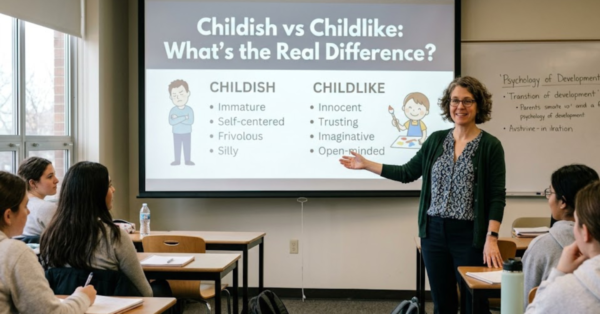
Childish vs Childlike: What’s the Real Difference?
Childish vs childlike is one of the most commonly confused word pairs in English. At first glance, both words seem to describe behaviors associated with children. However, their meanings are quite different, and using the wrong one can completely change the message you want to convey. If you’ve ever wondered whether someone is being childish […]

Home In vs Hone In: Meaning, Usage, and Differences
Have you ever written a sentence and paused, wondering whether to use home in or hone in? You’re not alone. These two expressions sound similar, and many people use them interchangeably. However, they have different origins and slightly different meanings. Understanding home in vs hone in can improve your writing, help you communicate more clearly, […]

Former vs Latter: Meaning, Usage, and Examples
Have you ever read a sentence that mentioned two things and then referred to one of them as “the former” or “the latter”? If so, you may have wondered exactly what those terms mean and how to use them correctly. Understanding former vs latter is an important part of mastering clear and professional English. These […]
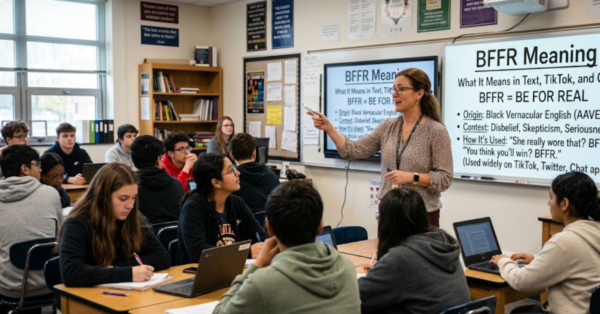
BFFR Meaning: What It Means in Text, TikTok, and Chat
Have you ever seen someone comment “BFFR” on TikTok, Instagram, or in a text message and wondered what it means? You’re not alone. Internet slang evolves quickly, and new abbreviations seem to appear overnight. One of the most popular terms in recent years is BFFR. Understanding the BFFR meaning can help you keep up with […]

Eligible vs Illegible: Meaning, Differences, and Usage
Many English words look similar but have completely different meanings. A great example is eligible vs illegible. Because these words share a similar spelling pattern, many writers and learners accidentally confuse them. However, their definitions, pronunciation, and usage are entirely different. Understanding the distinction can improve your writing, prevent misunderstandings, and help you communicate more […]
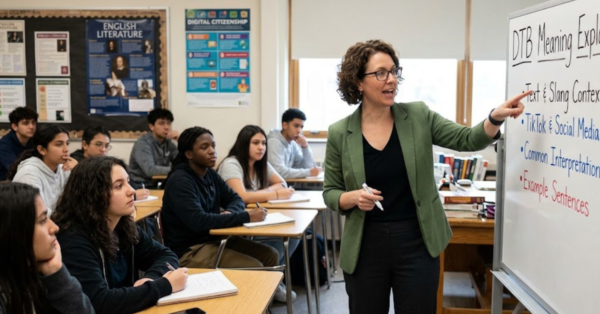
DTB Meaning Explained: Text, Slang, TikTok & More
If you’ve come across the abbreviation DTB in a text message, TikTok comment, Instagram caption, or online chat, you may have wondered what it actually means. Like many internet acronyms, DTB can have several meanings depending on the context. That’s why understanding the conversation around it is important before assuming its definition. In most online […]
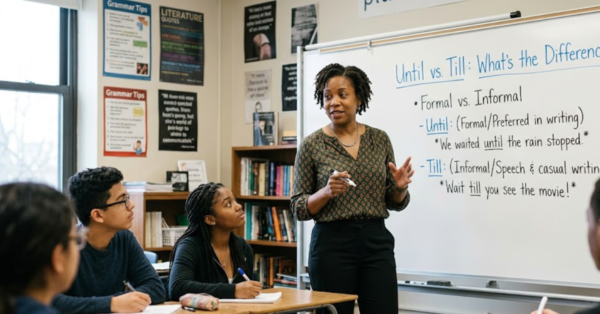
Until vs Till: What’s the Difference?
For many English learners and native speakers alike, the debate around until vs till can be surprisingly confusing. Are they interchangeable? Is one more formal than the other? And where does ’til fit into the picture? The good news is that the distinction is much simpler than many people think. Both words express the same […]
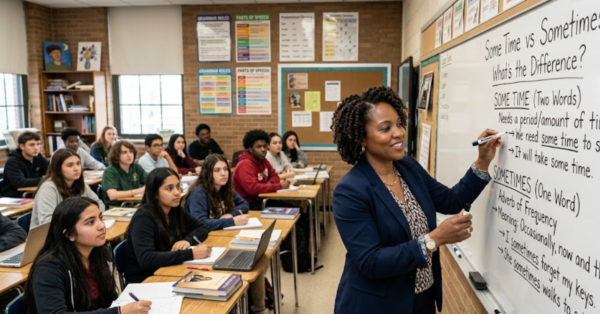
Some Time vs Sometimes: What’s the Difference?
Have you ever paused while writing and wondered whether you should use some time or sometimes? You’re not alone. These two expressions look similar, but they serve very different purposes in English. Understanding some time vs sometimes can improve your writing, help you communicate more clearly, and prevent common grammar mistakes. Although only one space […]