

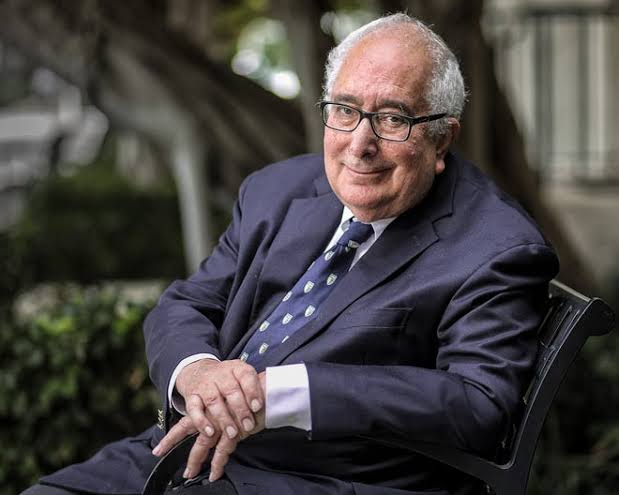
When people hear the name Ben Stein, they may immediately think of his distinctive voice, dry humor, or memorable appearances in film and television. However, long before he became widely recognized as an entertainer and commentator, Stein developed a serious career in politics and writing. His work as a speechwriter is an important part of his professional history, particularly because he worked in the White House during a period of major political change in the United States.
The phrase ben stein speech writer often leads people to search for information about how he entered political writing, what he actually did in government, and how those experiences influenced his later career. Stein’s background is somewhat unusual because his professional life eventually moved between politics, economics, journalism, entertainment, and cultural commentary. Understanding his early work helps explain why his writing often combined political arguments with humor, historical references, and an unmistakably personal style.
Ben Stein’s career as a speechwriter was not simply a short stop on the way to Hollywood. It gave him direct exposure to the workings of the federal government and to the difficult task of translating complicated political ideas into language that could be communicated effectively to the public. His experience also became part of the foundation for the public persona he developed later.
How Ben Stein Became a Speechwriter
Ben Stein was born in Washington, D.C., in 1944 and grew up in a family with strong connections to public life. His father, Herbert Stein, was a prominent economist who eventually served as chairman of the Council of Economic Advisers under President Richard Nixon. Growing up around economics, government, and political discussion gave Stein an unusual introduction to public affairs from an early age.
Stein later studied at Columbia University and Yale Law School, building an academic background that combined political awareness with legal and analytical training. Those experiences were valuable when he began working in Washington. Speechwriting requires more than simply having strong opinions; a successful speechwriter must understand policy, audience, political strategy, history, and the personality of the person delivering the speech.
During the Nixon administration, Stein worked in the White House as a speechwriter and staff member. His position placed him close to the administration’s political and economic messaging. Rather than being known primarily as a public celebrity at that time, he was part of the behind-the-scenes group responsible for helping shape written communication for senior political figures.
Ben Stein’s Work During the Nixon Administration
The Nixon era was one of the most complicated periods in modern American politics. The United States was dealing with the Vietnam War, economic concerns, social divisions, and intense debates over the role of government. A White House speechwriter working during that period had to deal with subjects that could easily become controversial or politically difficult.
Stein’s work involved helping develop language that could communicate administration positions in a clear and persuasive way. Speechwriters generally operate behind the scenes, researching subjects, preparing drafts, refining arguments, and adjusting language so that it sounds natural when spoken aloud. The best political writing often becomes almost invisible because the audience focuses on the speaker rather than the person who helped write the words.
This experience was significant for Stein because it exposed him to the practical side of political communication. Academic writing can be highly detailed and technical, while a political speech has to hold attention, create an emotional connection, and deliver a clear message within a limited amount of time. Learning that difference likely contributed to Stein’s later ability to write for very different audiences.
Working With the Ford Administration
Stein’s government career continued into the administration of President Gerald Ford. His work in Washington during the Ford years added another layer to his understanding of American politics and government communication. The transition from Nixon to Ford occurred during a period of tremendous public distrust, making effective communication particularly important.
For a speechwriter, a political transition can create a completely different writing environment. The language used by a new administration has to establish its identity while also addressing problems inherited from the previous administration. Stein’s experience in this environment gave him a close look at how political messaging changes according to circumstances, leadership, and public expectations.
His government work also strengthened the connection between writing and public policy in his career. Stein was not merely interested in clever phrases. His education and early professional experience gave him a foundation in economics, law, and politics. Those subjects continued to appear throughout his later writing, commentary, and public appearances.
Why Speechwriting Mattered to Ben Stein’s Later Career
The most interesting thing about Stein’s speechwriting background is what happened after he left government. Many people who know him primarily from entertainment may not realize how strongly his early political career influenced his later work. His experience in Washington helped him develop an understanding of how institutions function and how public arguments are constructed.
Stein eventually became a writer and commentator whose work covered economics, politics, culture, and everyday life. His writing style often included sarcasm, historical comparisons, and deliberately understated humor. Those qualities made him different from conventional political commentators who rely heavily on formal or dramatic language.
Speechwriting may also have helped Stein understand the importance of rhythm and presentation. A speech is not the same as an essay. Words need to sound natural when spoken, and ideas have to move quickly enough to maintain an audience’s attention. Stein later became known for a conversational delivery that could make complicated subjects feel more accessible.
From Political Writing to Hollywood
One of the most surprising chapters in Stein’s career was his move into entertainment. His role as the monotone economics teacher in the 1986 film Ferris Bueller’s Day Off became one of his most recognizable appearances. The repeated classroom exchange involving the phrase “Bueller? Bueller?” helped turn Stein into a memorable pop-culture figure.
That success demonstrated that Stein could use his naturally restrained delivery as a form of comedy. Instead of abandoning his serious background, entertainment allowed him to transform characteristics such as his calm voice and intellectual persona into something humorous.
His television appearances, commercials, books, and commentary projects expanded that public image. The contrast between his political and economic knowledge and his deliberately dry comedic style became one of the defining features of his career. In that sense, his early years as a speechwriter were part of a much larger professional evolution rather than an isolated period.
What Makes a Good Political Speechwriter?
Looking at the career associated with the ben stein speech writer search also provides an opportunity to understand what speechwriting actually involves. A professional speechwriter needs research skills, writing ability, political awareness, and a strong understanding of the speaker’s personality. A speech that looks impressive on paper can fail completely if it does not sound authentic when delivered.
Good speechwriters also understand that clarity is usually more powerful than unnecessary complexity. Political audiences may include experts, journalists, supporters, opponents, and ordinary citizens. The language therefore has to communicate the central idea without requiring everyone to understand technical terminology.
Another important skill is adaptability. A speechwriter may work on economic policy one day and a ceremonial address the next. Each situation requires a different tone. A serious policy speech might require careful evidence and measured language, while a campaign appearance may need memorable phrases and emotional energy. Stein’s later career illustrates how valuable that flexibility can be.
Ben Stein’s Writing Style and Public Persona
Stein’s writing and commentary have always been connected to his distinctive personality. He frequently uses humor to make a serious point, and he is comfortable discussing subjects that combine politics, economics, and culture. His approach can be intentionally provocative, but it is also rooted in his long experience as a writer.
His speechwriting background helps put that style into context. Political writing teaches a person to think about audience reaction, word choice, persuasion, and the relationship between an argument and the person delivering it. These skills remain useful even after someone leaves government.
At the same time, Stein’s later identity cannot be reduced to his work in the White House. He became a multifaceted writer and entertainer in his own right. His career demonstrates how skills developed in one professional environment can be transferred into completely different industries.
The Lasting Interest in Ben Stein as a Speechwriter
The continuing interest in Stein’s speechwriting career comes partly from the contrast between his public image and his early professional life. To younger audiences, he may be better known as an actor, television personality, or commentator. To students of American political history, however, his government work provides an interesting example of the behind-the-scenes professionals who help administrations communicate with the public.
Speechwriters rarely receive the same recognition as elected officials. Their names may not appear prominently when a major address is remembered decades later. Yet their work can influence the structure, tone, and clarity of political communication. Stein’s career illustrates how someone working behind the scenes can later become a public figure himself.
It is also a reminder that professional careers do not always follow a straight line. Stein moved through law, government, political writing, journalism, economics, entertainment, and commentary. Each stage contributed something different to the public persona people eventually came to recognize.
Conclusion
The story behind the ben stein speech writer keyword is ultimately a story about a career that began far away from Hollywood. Stein’s work in the Nixon and Ford administrations gave him practical experience in political communication and placed him in the middle of important moments in American government.
That early experience became one part of a much broader career. From political writing and economic commentary to film, television, books, and public speaking, Stein repeatedly used the communication skills he developed during his Washington years. His ability to combine serious subjects with a distinctive sense of humor helped him build an unusual and recognizable professional identity.
For anyone researching Ben Stein, his speechwriting years are worth examining because they reveal the more serious foundation beneath the entertainer and commentator. They show a writer learning how politics, policy, persuasion, and public communication work from inside government—and later taking those lessons into an entirely different kind of public career.
You May Also Raed: Englishtistic