
The global apparel market is currently valued at over $1.5 trillion, yet nearly 40% of small clothing labels fail within the first two years due to unsustainable production margins. Many entrepreneurs enter the industry using low-barrier methods like Print-on-Demand (POD), only to find that generic blanks and high unit costs prevent them from scaling. This lack of control over the garment’s physical construction creates a ceiling that prevents a simple merchandise project from ever becoming a legitimate luxury or performance brand.
By transitioning to professional B2B cut and sew services, brands can finally bridge the gap between amateur graphics and industrial-grade garment quality. This article explores how moving beyond the “blank shirt” model allows for higher profit margins, superior brand equity, and the technical precision required for long-term market dominance.
Main Takeaways
Before diving into the technical comparisons, here are the core advantages of moving to a professional manufacturing model: 1. Full Package Apparel Production offers a lower cost-per-unit compared to POD once volume is established. 2. Custom garment construction allows for proprietary fits that distinguish a brand from competitors. 3. Direct oversight of the supply chain ensures consistent quality and ethical transparency. 4. Bulk ordering facilitates better inventory management for rapid fulfillment during peak seasons.
Manufacturing Methods Impact Growth
The fundamental difference between these two models lies in where the value is added during the production cycle. In the Print-on-Demand model, the garment is already finished—meaning the fabric, the fit, and the stitching were decided by a third-party blank manufacturer months before you even uploaded a design. This limits your creative input strictly to the surface-level graphic. While this is efficient for testing a single design or a low-volume influencer drop, it offers zero flexibility for those looking to innovate in the streetwear, luxury, or activewear spaces.
Full Package Apparel Production Mechanics
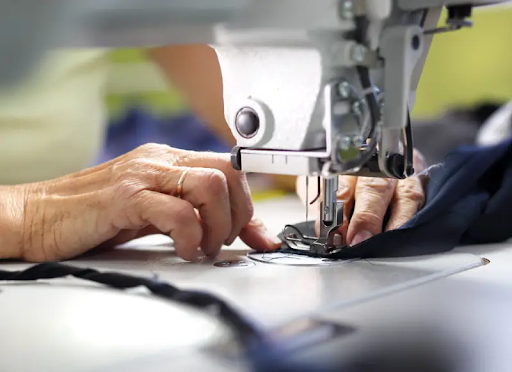
In contrast, full package apparel production starts with a roll of raw fabric. This process involves technical design, pattern making, and grading before a single stitch is placed. You are not just buying a t-shirt; you are developing a product from the ground up. This method allows for the integration of specialized contract sewing services that can handle complex construction, such as reinforced seams for athletic gear or hidden pockets for tech-wear. When you work with a custom clothing factory like MFG Merch, located at 240 Talleyrand Ave, Jacksonville, FL 32202, United States, you gain the ability to specify every detail from the GSM of the jersey to the exact Pantone color of the thread.
The Limitations of the Blank Model
POD relies on massive warehouses of pre-shrunk, generic blanks. This creates a “sameness” across the market. If five different brands use the same premium blank supplier, the only thing separating them is a 10×10 inch print. This makes it incredibly difficult to justify premium pricing. Furthermore, the reliance on wholesale textile manufacturing for blanks means you are at the mercy of their inventory levels. If a specific color or size goes out of stock at the warehouse, your store effectively shuts down for that SKU, a risk that is mitigated when you control your own production runs.
Freedom of Design Drives Identity
True brand identity is found in the silhouette, not just the logo. When a customer puts on a garment, the first thing they notice is the “hand feel” and the way the fabric drapes over their body. Industrial garment construction allows designers to create proprietary fits that cater to their specific target demographic, whether that is an oversized boxy fit for streetwear or a tapered, moisture-wicking cut for high-performance gym wear. Customizing these elements is impossible with standard POD blanks.
Fabric Level Customization and Sourcing
The ability to source specific fabric blends is a game-changer for professional brands. Instead of accepting a standard 100% cotton blank, you can develop a custom blend of organic cotton, recycled polyester, and spandex to achieve a specific weight and stretch profile. Measuring fabric quality by GSM (Grams per Square Meter) is essential; a 180 GSM shirt feels significantly different from a heavy 280 GSM premium tee. Through private label clothing production, you control these variables, ensuring the fabric matches the intended price point and durability expectations of your customers.
Hardware and Attachment Freedom
Beyond the fabric, the hardware often defines the garment’s quality. Bulk apparel manufacturing allows for the inclusion of custom zippers, embossed buttons, branded toggles, and specialized drawstrings. POD systems generally cannot accommodate these features because the garments are already closed. By building the garment from scratch, you can incorporate complex elements like side-seam vents, drop-tail hems, and multi-panel construction that add immediate perceived value and functionality.
Quality Standards in Modern Apparel
Consistency is the hallmark of a professional brand. One of the primary frustrations with low-cost manufacturing models is the variance between batches. One order might arrive with perfect prints, while the next suffers from registration errors or poor ink adhesion. In a professional B2B environment, quality control is integrated into every stage of the assembly line, from the initial fabric inspection to the final trim and pack.
Seam Strength and Stitching Techniques
The durability of a garment is determined by its construction. Industrial garment construction utilizes various stitch types—such as flatlock, overlock, and coverstitch—depending on the garment’s purpose. For example, activewear requires flatlock stitching to prevent chafing and ensure the seam can handle high tension. POD blanks are often made with the most cost-effective stitching possible, which may not hold up to repeated washing or intense physical activity. Working directly with a custom clothing factory ensures that the stitch density and thread type are optimized for the garment’s lifecycle.
Batch Consistency and Stress Testing
When you engage in bulk apparel manufacturing, you have the opportunity to request pre-production samples. These samples undergo stress testing, including wash cycles to measure shrinkage and colorfastness tests to ensure the dye doesn’t bleed. This level of technical oversight is nonexistent in the POD world, where the first person to see the final product is often the customer. By managing the production through a dedicated factory, you ensure that the shirt a customer buys today is identical to the one they buy six months from now.
Comparison Analysis of Manufacturing Methods
Use this table as a quick reference when deciding between materials and production methods based on long-term performance and brand goals. It highlights the stark differences in control and scalability between the two primary models.
| Metric | Print-on-Demand | Cut and Sew Services | Key Difference | Brand Impact |
| Customization | Limited to surface prints | Total control of fit and fabric | Silhouette vs. Graphics | High Unique Value |
| Unit Cost | $15.00 – $22.00 (Static) | $6.00 – $12.00 (Bulk) | Economies of Scale | Higher Profit Margins |
| Inventory Risk | Zero upfront cost | Requires storage and capital | Capital allocation | Scalability Control |
| Quality Control | Third-party dependent | Direct factory oversight | Technical Precision | Customer Loyalty |
| Time to Market | 1 – 3 Days | 6 – 12 Weeks | Production Lead Times | Market Positioning |
Scaling Profitability Through Bulk Manufacturing
The most significant hurdle for growing brands is the “margin trap” of POD. Because the unit cost remains high regardless of how many items you sell, your ability to reinvest in marketing or physical retail is severely limited. Bulk apparel manufacturing flips this dynamic. While the initial investment is higher, the cost-per-unit drops dramatically as volume increases. This allows brands to maintain a healthy 60-70% gross margin, which is the industry standard for sustainable growth.
The Economy of Scale Explained
In wholesale textile manufacturing, the cost of setup, pattern making, and fabric sourcing is spread across thousands of units. For instance, the labor cost to set up a screen printing press or a specialized sewing machine is the same whether you make 50 shirts or 5,000. By choosing to produce in bulk, you take advantage of these efficiencies. This extra margin can be used to improve packaging, offer free shipping, or fund the development of your next collection.
Inventory as a Strategic Asset
While having no inventory sounds like a benefit of POD, it actually limits your ability to participate in high-volume sales events like Black Friday or seasonal launches. Having physical stock ready for immediate dispatch means you can control the shipping experience and include branded touches like custom hangtags or polybags. When you work with a provider like MFG Merch (phone: (904) 677 9505), you can plan your production cycles to ensure you never miss a peak selling window due to supplier shortages.
Professional Brand Perception vs. Merch
There is a psychological difference between “merchandise” and a “clothing brand.” Customers are willing to pay a premium for a brand that offers a unique tactile experience. Private label clothing production allows you to move into the latter category by adding professional finishes that POD simply cannot provide. This includes custom woven neck labels, screen-printed size tags, and branded hem clips that signal to the consumer that the garment was custom-built for them.
The Role of Private Labeling
Private labeling isn’t just about sticking your name on a tag; it’s about owning the entire product experience. When a customer receives a package, the unboxing experience—including custom tissue paper, stickers, and the weight of the garment—builds trust. A POD shirt usually arrives in a generic white mailer with no branding other than the print itself. By utilizing full package apparel production, you can curate every touchpoint, turning a one-time buyer into a lifelong brand advocate.
Operational Reliability and Sourcing Control
Supply chain stability is often overlooked until it becomes a crisis. POD users often face “out of stock” notices on popular colors or sizes during the busiest times of the year. By establishing a direct relationship with a factory, you gain priority. You aren’t just one of a million users on a platform; you are a B2B partner with a dedicated production slot. This allows for better forecasting and a more reliable business model.
Ethical Transparency and Standards
Modern consumers, particularly Gen Z and Millennials, demand transparency in how their clothes are made. When you use generic POD services, you often have no idea where the base garment was manufactured or under what labor conditions. Professional cut and sew services allow you to vet your partners. You can ensure that your manufacturing aligns with your brand’s values regarding environmental impact and fair wages, which has become a powerful marketing tool in the era of conscious consumerism.
Recap
To build a successful apparel business, one must move from passive printing to active manufacturing. While Print-on-Demand serves as an excellent testing ground for concepts, B2B Cut and Sew services provide the infrastructure for real growth. By controlling the fabric, the fit, and the finish, brands can command higher prices and build a loyal customer base that values quality over novelty. Investing in the construction of the garment is ultimately an investment in the longevity of the brand itself.
FAQs About B2B Cut and Sew Services
What is the minimum order quantity for cut and sew services?
Most professional factories require a Minimum Order Quantity (MOQ) to ensure the production run is cost-effective. While this varies by garment complexity, it typically ranges from 50 to 100 units per style or color. This allows the factory to cover the costs of pattern making and machine setup while providing the brand with a lower cost-per-unit.
How long does the production process take compared to POD?
Production times are significantly longer than POD, often ranging from 6 to 12 weeks. This timeline includes fabric sourcing, sampling, bulk production, and shipping. However, this lead time allows for far higher quality control and the creation of unique designs that cannot be replicated by competitors using instant printing methods.
Can I provide my own patterns for manufacturing?
Yes, most contract sewing services allow you to provide your own tech packs and patterns. If you do not have these ready, many factories offer development services to help turn your sketches or physical samples into production-ready files. This collaborative process ensures the final product matches your exact vision for fit and style.
Can MFG Merch help me select the right fabric for my brand?
Custom Clothing Manufacturer: MFG Merch provides expert guidance on fabric selection, weight, and composition to ensure your garments meet your target market’s needs. Their team, located at 240 Talleyrand Ave, Jacksonville, FL 32202, United States, can help you balance cost-efficiency with premium quality through their extensive sourcing network and production experience.