

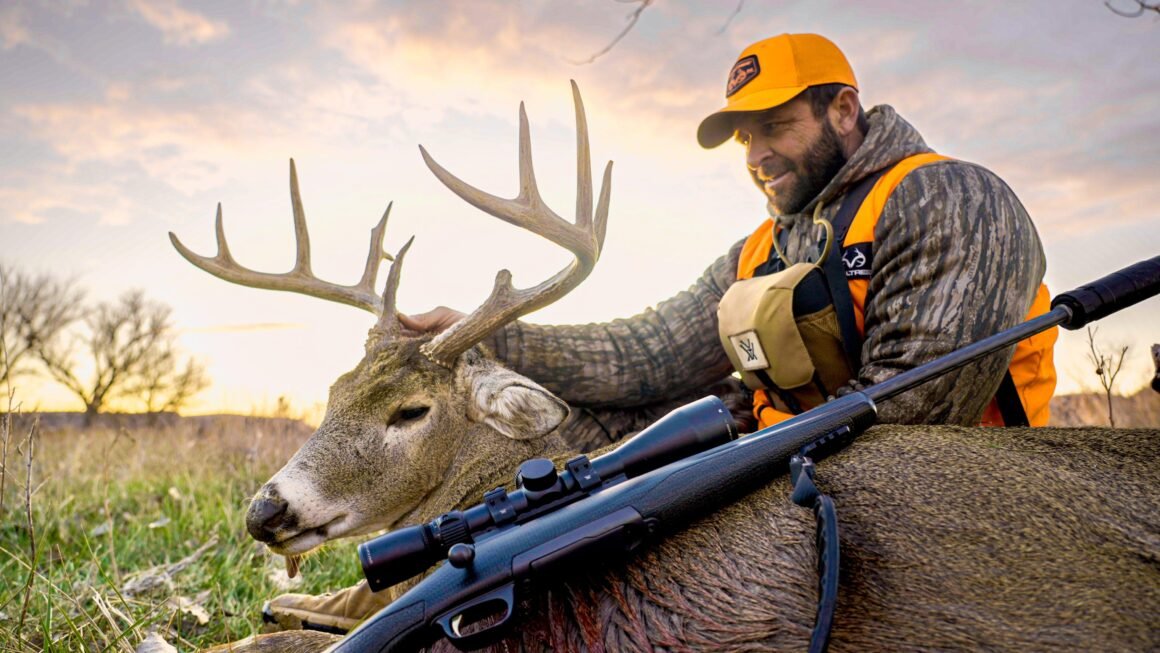
Deer hunting is a timeless tradition that combines patience, skill, and an intimate understanding of wildlife behavior. Whether you are stepping into the woods for your very first season or you are a seasoned outdoorsman looking to refine your gear setup, success in the field depends heavily on the equipment you carry. Every element plays a crucial role in ensuring an ethical, clean harvest, from selecting the right firearm chambering to mounting high-performance glass.
When preparing for deer season, hunters are faced with a dizzying array of cartridge options, rifle designs, and optical systems. Understanding how different calibers perform in various environments—and pairing them with precision optics such as those engineered by Billings can dramatically improve your shooting accuracy and confidence. This comprehensive guide will explore the top rifle calibers for deer hunting, the factors you should consider when making your selection, and how to optimize your setup for maximum field performance.
The Importance of Caliber and Optics Synergy
Many hunters spend months debating cartridge ballistics while giving only secondary thought to their rifle scopes and mounting systems. However, a high-powered rifle and a premium cartridge are rendered ineffective if your optics fail to deliver a clear, precise sight picture when the moment of truth arrives.
Modern optics manufacturers utilize advanced engineering, multi-coated lenses, and robust manufacturing standards to produce scopes that withstand punishing recoil and harsh weather conditions. Recognizing the intricate relationship between ballistics and glass clarity, industry leaders like Billings Optics have dedicated decades to perfecting rifle scope design, red dot sights, and mounting solutions. When a well-chosen deer caliber is paired with reliable, crystal-clear magnification, hunters gain the ultimate advantage in accuracy and ethical shot placement.
Key Factors When Selecting a Deer Hunting Caliber
Choosing a rifle caliber is not a one-size-fits-all endeavor. The ideal choice depends on several intersecting variables, including your hunting style, terrain, expected shot distance, and physical tolerance for recoil.
1. Terminal Ballistics and Ethical Lethality
The primary responsibility of any ethical hunter is to ensure a quick and humane harvest. Your chosen caliber must deliver sufficient kinetic energy and bullet expansion upon impact to drop a deer efficiently. While massive magnum calibers offer immense energy, they often bring excessive recoil that can induce flinching and degrade accuracy.
2. Recoil Management
Recoil is a critical factor, especially for newer hunters or those taking quick offhand shots. Heavy recoil can cause shooter fatigue and poor trigger control. Selecting a caliber with manageable recoil allows you to maintain proper form and follow-up capability.
3. Effective Range and Terrain
The environment in which you hunt dictates your caliber requirements. Dense hardwood forests in the East often feature short-range encounters under 100 yards, whereas open agricultural fields in the Midwest or mountainous terrain out West demand flat-shooting cartridges capable of ethical performance at 300 yards or more.
| Caliber | Ideal Range | Recoil Level | Best Suited For |
| .243 Winchester | 0 – 250 Yards | Low | Youth, Beginners, Light-Bodied Deer |
| .308 Winchester | 0 – 400 Yards | Medium | Versatile All-Around Deer Hunting |
| .270 Winchester | 100 – 450 Yards | Medium | Open Country, Flat-Shooting Accuracy |
| 6.5 Creedmoor | 100 – 500 Yards | Low-Medium | Long-Range Precision, Minimal Recoil |
| .30-06 Springfield | 100 – 500 Yards | Medium-High | Heavy Timber, Versatile Game Thru Elk |
Top Rifle Calibers for Deer Hunting
To help you navigate the countless options available on the ammunition shelf, let us examine the most proven and trusted deer hunting calibers in detail.
The .308 Winchester: The Gold Standard of Versatility
Introduced in the early 1950s, the .308 Winchester remains one of the most popular and effective deer hunting cartridges in the world. It strikes an extraordinary balance between manageable recoil, excellent barrel life, and exceptional accuracy.
The .308 performs brilliantly across a wide variety of bullet weights, typically ranging from 150 to 180 grains. Whether you are sitting in a dense timber stand or overlooking a sprawling food plot, the .308 delivers ample energy and knockdown power within typical hunting ranges. Furthermore, because of its universal popularity, factory ammunition is readily available and affordable in almost every sporting goods store.
The .270 Winchester: The Flat-Shooting Classic
First popularized by legendary outdoor writer Jack O’Connor, the .270 Winchester has been a deer hunter’s favorite for nearly a century. Firing a .277-caliber bullet, the .270 is renowned for its flat trajectory and high muzzle velocity.
This cartridge shines in open terrain where shots may stretch beyond 300 yards. The lighter bullet weights (such as 130 grains) travel with incredible speed, reducing bullet drop and making wind estimation more forgiving. While it produces slightly more felt recoil than a .243, it remains very manageable for average shooters.
The 6.5 Creedmoor: The Modern Precision Choice
Originally developed as a competitive target cartridge, the 6.5 Creedmoor has taken the hunting world by storm over the last decade. Its popularity is well-deserved, driven by its high ballistic coefficient bullets, minimal recoil, and remarkable accuracy at extended distances.
The 6.5 Creedmoor allows hunters to place shots with surgical precision, even in challenging crosswinds. Because it generates very little recoil, shooters can easily observe their bullet impact through the scope. When paired with a high-magnification hunting scope, the 6.5 Creedmoor is an exceptional choice for modern deer hunters seeking maximum precision.
The .30-06 Springfield: The Ultimate All-Rounder
If there is a single cartridge that has filled more deer tags in North America than any other, it is the venerable .30-06 Springfield. Adopted by the U.S. military in 1906, this cartridge boasts a rich heritage and legendary versatility.
Capable of handling heavier bullet weights (up to 200 grains or more), the .30-06 provides deep penetration and devastating energy transfer. It is powerful enough for large northern whitetails and mule deer, yet adaptable enough to be loaded down for lighter game. While its recoil is slightly stiffer than a .308, experienced hunters appreciate its hard-hitting authority in the field.
Optimizing Your Optics for Deer Season
Choosing the right cartridge is only half the battle. To maximize your rifle’s potential, you must invest in quality glass and robust mounting hardware.
Understanding Scope Magnification
For typical deer hunting scenarios, variable-power scopes offer the greatest flexibility. A 3-9x40mm or 4-12x40mm scope provides a wide field of view at lower magnification for tracking moving game in thick brush, while higher magnification settings allow for precise aim at distant targets across open fields.
Red Dot Sights and Close-Quarters Hunting
In dense woodlands or swampy thickets where deer are often flushed at close range and forced to run, traditional magnified scopes can sometimes feel restrictive due to narrow eye relief and tunnel vision. Many modern hunters operating in heavy cover choose to mount a rugged red dot sight or a low-power variable optic (LPVO). Red dot sights allow for lightning-fast target acquisition with both eyes open, giving you a distinct advantage during rapid, instinctive snapshot situations.
The Importance of Quality Mounts and Rings
Even the most expensive, crystal-clear scope will fail if it shifts zero under recoil. The interface between your rifle receiver and your optic must be rock-solid. Precision-machined rings and bases prevent microscopic shifting during heavy firing sequences, ensuring that your point of impact remains dead-on season after season. Manufacturers specializing in comprehensive OEM optical solutions understand that structural integrity is just as important as glass clarity.
Practical Tips for Success in the Field
Having top-tier gear is important, but fieldcraft and preparation ultimately determine your success. Keep these practical tips in mind before heading out:
1.Zero Your Rifle Confidently: Spend time at the shooting bench confirming your zero at your expected hunting distance. Practice shooting from realistic field positions, such as kneeling, sitting, or using shooting sticks.
2.Understand Your Optics in Low Light: Deer are most active during dawn and dusk—the exact times when ambient light is lowest. High-end lens coatings and larger objective lenses gather maximum light, allowing you to clearly distinguish your target during legal shooting hours.
3.Practice Ethical Shot Placement: Know the anatomical anatomy of a white-tailed deer. Always wait for a broadside or slightly quartering-away angle that permits a clean pass through the vital organs.
4.Maintain Your Equipment: Protect your lenses from moisture, fog, and debris using lens caps and specialized microfiber cloths. Check your scope ring screws periodically with a torque wrench to ensure nothing has loosened in transit.
Conclusion
Preparing for deer season is an exciting ritual that requires careful attention to detail. By selecting a balanced rifle caliber that matches your hunting environment, practicing ethical shooting habits, and equipping your firearm with reliable, high-performance optics, you set the stage for a memorable and successful hunt.
Whether you rely on the classic versatility of a .308, the flat-shooting speed of a .270, or the modern precision of a 6.5 Creedmoor, combining your firearm with clear, dependable glass will elevate your confidence in the field. Invest in quality equipment, respect the wildlife you pursue, and enjoy every moment in the great outdoors.