
A properly installed air conditioner requires an understanding of the home’s cooling needs. The size of the space, insulation quality, window placement, and local climate can affect how the system operates. Equipment selection influences cooling performance, and installation practices affect airflow delivery and indoor temperature control. Here are some ways to optimize your AC installation for better performance:
Evaluate Home Cooling Needs
A professional home assessment identifies the home’s cooling requirements before technicians recommend an AC system. Technicians evaluate square footage, and their measurements help establish the amount of conditioned space. Insulation may receive separate attention because it affects heat entering the home through the building envelope. Window placement also receives evaluation, which reveals how solar exposure influences cooling demand throughout different areas. Local climate completes the assessment; regional weather patterns can shape the expected cooling load across changing seasons.
Equipment size influences how the cooling system operates after AC installation. An improperly sized unit can lead to inefficiency and excessive wear; it also has the potential to cause uncomfortable temperature fluctuations. Proper system sizing helps support optimal performance and efficiency. Manual J load calculations determine the home’s cooling requirements, helping make sure the system is properly sized for the home. Proper system sizing supports efficient operation and consistent cooling performance. Correct equipment capacity helps the system meet the home’s calculated cooling requirements and can contribute to system longevity through proper operation.
Work With Skilled AC Installers
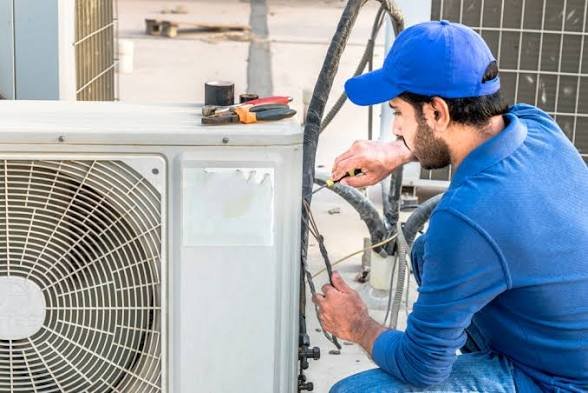
Manufacturer specifications establish the installation requirements for each air conditioning system. Certified technicians prepare the installation area; they remove existing equipment when replacement is required and position the new indoor and outdoor units correctly. Refrigerant lines and electrical connections are installed carefully because each component contributes to system operation.
Existing ductwork connects to the new equipment when compatible, and new ductwork is installed when the system requires it. Every installation stage receives careful attention, which supports efficient operation and long-term system performance. Ductwork carries conditioned air from the equipment to occupied spaces.
Duct design influences airflow throughout the home, and properly sealed ductwork helps prevent conditioned air loss before supply air reaches each register. Air escaping through unsealed ducts can reduce cooling delivery across the distribution system. High-quality filtration systems are also installed when specified, which helps remove dust, allergens, and other airborne particles from circulating air. These installation practices support efficient airflow and improved indoor air quality.
Verify System Performance After Installation
Technicians use precision instruments to verify the correct refrigerant charge after installation; they also evaluate the completed system to confirm that it operates properly before regular use. Key verification steps may include:
- Measuring airflow rates throughout the installed system
- Confirming that conditioned air moves through the completed equipment and duct system
- Checking the refrigerant charge after installation
- Evaluating overall system performance
- Identifying conditions that require attention before regular system use
Performance testing examines the completed installation as a complete operating system. Airflow verification confirms that conditioned air moves through the installed duct system, while overall performance testing evaluates system operation after installation. These verification procedures help confirm that the cooling system operates as expected before the installation is marked as complete.
Maintain Your AC System
Routine maintenance preserves system efficiency throughout normal operation. HVAC repair technicians clean evaporator coils; this helps support efficient performance. They also clean condenser coils, which helps the outdoor unit continue operating efficiently. Technicians check refrigerant levels during scheduled maintenance appointments, and they inspect and tighten electrical connections. Preventive maintenance helps identify developing issues before they become more serious problems.
Schedule Professional AC Installation
Professional AC installation establishes the operating conditions for efficient cooling. Qualified HVAC company technicians perform detailed evaluations, and post-installation testing confirms proper system operation. Accurate equipment sizing supports consistent cooling performance because system capacity matches the home’s calculated cooling requirements. Learn more about evaluating your home’s cooling requirements or schedule an AC repair for enhanced performance.