
Installing solar panels is a significant investment that can lower your energy bills and reduce your carbon footprint. However, before making the leap to solar energy, many homeowners wonder if their current roof is up to the task. The condition, age, and material of your roof can all impact the success and longevity of a solar installation. Replacing your roof before adding solar panels may seem like an added expense, but it could save you time, money, and hassle in the long run. Understanding the factors involved will help you make an informed decision that protects both your home and your solar investment.
What to Consider Before Solar Installation
Assessing Your Roof’s Age and Condition
The age and current condition of your roof are crucial factors when deciding whether to replace it before installing solar panels. Most solar panels are designed to last 25 years or more, so your roof should ideally have a similar lifespan to avoid the need for premature removal and reinstallation of the panels. If your roof is nearing the end of its expected life, has visible damage, or shows signs of leaks, it may be wise to replace it first. Roof repairs or replacements after solar panels are installed can be more complicated and costly, as the panels must be removed and reinstalled, potentially voiding warranties or causing additional wear. Evaluating your roof’s material is also important, as some materials are more compatible with solar installations than others. Asphalt shingles, metal, and concrete tiles generally work well, while wood shake or slate may present challenges. Consulting with a roofing professional can help you determine if your roof is suitable for solar panels or if replacement is the better option.
The Cost Implications of Roof Replacement and Solar Panels
Combining a roof replacement with a solar panel installation can seem daunting due to the upfront costs, but it often makes financial sense in the long term. If you install solar panels on an aging or damaged roof, you may face the expense of removing and reinstalling the panels when the roof eventually needs replacement. This process can add thousands of dollars to your overall costs and may disrupt your solar energy production. By replacing your roof first, you ensure that both your roof and solar panels have similar lifespans, reducing the likelihood of future complications. Additionally, some roofing companies offer bundled services or financing options that can make the combined project more affordable. Homeowners in Savannah, for example, might consult a Roofing Company Savannah to explore options that fit their budget and timeline. Investing in a new roof before solar installation can also increase your home’s value and curb appeal, making it a smart move for those considering selling in the future.
How Solar Panels Affect Roof Longevity
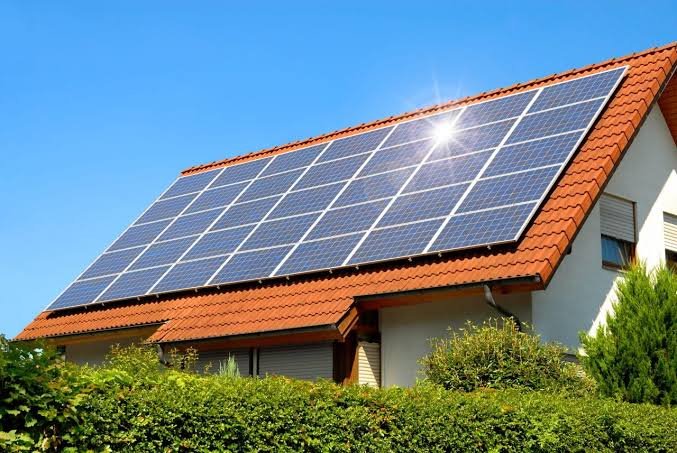
Solar panels can actually help protect your roof from the elements by acting as a barrier against rain, hail, and UV rays. This added layer can extend the life of the roofing material underneath the panels, especially in areas exposed to harsh weather. However, this benefit only applies if the roof is in good condition at the time of installation. If the underlying roof is already compromised, solar panels may exacerbate existing issues or hide problems until they become severe. Proper installation is key to ensuring that the mounting hardware does not cause leaks or structural damage. Working with experienced installers who understand both roofing and solar technology can help prevent these issues. It is also important to maintain regular inspections of both your roof and solar panels to catch any potential problems early. By starting with a solid, well-maintained roof, you can maximize the protective benefits of your solar panels and avoid costly repairs down the line.
Roof Replacement Timeline and Solar Project Planning
Timing is an important consideration when planning a roof replacement and solar panel installation. Ideally, both projects should be coordinated to minimize disruption and ensure a smooth process. Roof replacement typically takes a few days to a week, depending on the size and complexity of your home. Solar panel installation can often be completed in a similar timeframe, but scheduling both projects together can help avoid delays and reduce labor costs. It is important to communicate with both your roofing contractor and solar installer to develop a timeline that works for everyone involved. Some homeowners choose to replace their roof during the off-season to take advantage of lower prices and faster scheduling. Planning ahead also allows you to research available incentives, rebates, and financing options that can offset the cost of your investment. By aligning your roof replacement and solar installation, you can ensure that your home is ready for clean energy with minimal hassle.
Maintenance Considerations for Solar-Equipped Roofs
Once your new roof and solar panels are in place, ongoing maintenance is essential to protect your investment. Solar panels require minimal upkeep, but it is important to keep them clean and free of debris to maintain optimal performance. Your roof should also be inspected regularly for signs of wear, damage, or leaks, especially after severe weather events. Addressing minor issues promptly can prevent more serious problems and extend the life of both your roof and solar panels. Some roofing warranties may require periodic inspections or maintenance to remain valid, so be sure to review the terms of your agreement. Working with reputable contractors for both roofing and solar installation can provide peace of mind and ensure that your home remains safe and energy-efficient for years to come.
The Value of Professional Guidance
Consulting with professionals is a smart step when considering roof replacement and solar installation. Roofing and solar contractors can assess your home’s unique needs, recommend suitable materials, and provide accurate cost estimates. They can also help you navigate local building codes, permitting requirements, and available incentives. By working with experienced professionals, you can avoid common pitfalls and ensure that your project is completed safely and efficiently. Taking the time to gather information and ask questions will help you make informed decisions that protect your home and maximize your return on investment.
Conclusion
Deciding whether to replace your roof before installing solar panels is a significant choice that can impact your home’s value, energy efficiency, and long-term maintenance costs. A new roof provides a solid foundation for solar panels, reducing the risk of future repairs and ensuring that both systems last for decades. While the upfront investment may be higher, the long-term benefits often outweigh the initial expense. Careful planning, professional guidance, and regular maintenance are key to a successful project. By considering the age, condition, and material of your roof, as well as the timing and cost implications, you can make a decision that supports your goals for sustainability and home improvement.