

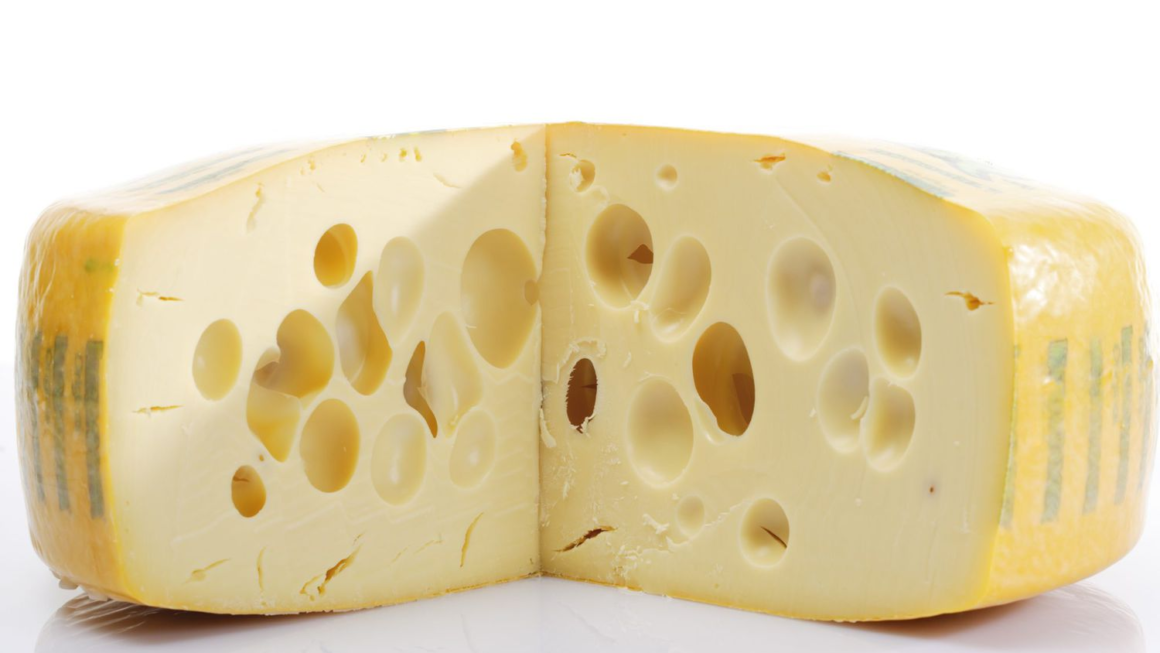
Swiss cheese is one of those foods that is instantly recognizable. Its pale golden color, firm yet flexible texture, and famous holes have made it a familiar ingredient in sandwiches, burgers, salads, cheese boards, and countless cooked dishes. But there is more to Swiss cheese than its distinctive appearance. Behind those holes is a fascinating cheesemaking process that depends on milk, bacteria, temperature, aging, and careful handling.
The term “Swiss cheese” can mean different things depending on where you live. In the United States and Canada, it commonly refers to a style of cheese inspired by traditional Swiss varieties such as Emmental. In Switzerland itself, there are many regional cheeses, each with its own characteristics, history, and production methods. This distinction is useful because not every cheese with holes is exactly the same.
Whether you already enjoy it or are simply curious about what makes it different from other cheeses, learning about Swiss cheese can make ordinary meals more interesting. From its unusual holes to its mildly nutty flavor, every characteristic has a reason behind it.
What Is Swiss Cheese?
Swiss cheese is generally a semi-hard cheese made from cow’s milk. It is known for its smooth body, relatively mild flavor, and round holes, which are often called “eyes.” Traditional Swiss cheeses vary considerably, but the American style commonly sold as Swiss cheese is modeled after cheeses produced in Switzerland, particularly Emmental.
The flavor of Swiss cheese is usually mild, slightly nutty, and pleasantly sweet. Younger versions tend to be softer and more delicate, while cheeses that have been aged longer can develop a deeper and more pronounced flavor. This versatility is one reason Swiss cheese works equally well in everyday sandwiches and more elaborate recipes.
The famous holes are not simply decorative. They are a natural result of fermentation during cheesemaking. Certain bacteria consume available nutrients and produce carbon dioxide as part of their activity. When that gas becomes trapped inside the developing cheese, it creates the rounded openings associated with Swiss cheese.
Why Does Swiss Cheese Have Holes?
The holes in Swiss cheese are perhaps its most recognizable feature, and they are created through a carefully controlled biological process. During production, cheesemakers introduce specific bacterial cultures into the milk. These microorganisms play an important role in developing both the cheese’s flavor and structure.
As the cheese matures, some of these bacteria produce carbon dioxide. The gas cannot always escape from the dense cheese, so it collects in small pockets. Over time, these pockets expand and become the familiar holes or “eyes.” The size, number, and distribution of the holes can vary depending on the type of cheese and the cheesemaking conditions.
Interestingly, cheesemakers have considerable control over this process. Temperature, bacterial cultures, moisture, acidity, and aging conditions all influence how the holes develop. Modern production methods therefore make it possible to create cheese with a fairly consistent appearance while still maintaining the characteristic qualities associated with the style.
How Is Swiss Cheese Made?
The cheesemaking process begins with high-quality cow’s milk. The milk is warmed and combined with starter cultures that help initiate fermentation. Rennet is generally added as well, causing the milk proteins to coagulate and form a soft gel-like mass known as curd.
The curd is then cut into small pieces and heated while being stirred. This step helps separate the curds from the liquid whey. The cheesemaker carefully manages temperature and timing because these factors affect the final moisture level and texture. Once the curds reach the desired consistency, they are separated from the whey and transferred into molds.
After pressing, the cheese is salted and moved into an environment where it can mature. During aging, bacteria continue to transform components of the cheese. This is when the flavor develops and the characteristic holes begin to appear. Depending on the variety, aging may continue for several weeks or much longer.
What Does Swiss Cheese Taste Like?
Swiss cheese is often described as mild, nutty, creamy, and slightly sweet. Its flavor is generally less aggressive than that of many strongly aged cheeses, making it approachable for people who prefer subtle dairy flavors. The texture is usually firm but not brittle, with a smooth consistency that becomes particularly enjoyable when melted.
The precise flavor depends on the variety and how long the cheese has been aged. A young Swiss-style cheese may taste fresh and gently milky, while a more mature version can have stronger nutty and savory notes. Environmental conditions during aging also contribute to differences in flavor.
One of the great things about Swiss cheese is that it can complement other ingredients without overwhelming them. Its balanced taste works with roasted meats, vegetables, fruits, bread, mustard, and various sauces. That makes it a practical cheese for both simple meals and more sophisticated combinations.
Swiss Cheese vs. Emmental
Swiss cheese and Emmental are closely related, but the names are not always interchangeable. Emmental is a traditional Swiss cheese associated with the Emme Valley in Switzerland. It has a long history and is produced according to established regional traditions. Swiss cheese sold in North America, meanwhile, is generally a broader category or style inspired by these traditional cheeses.
Emmental is famous for its large eyes and distinctive nutty flavor. Depending on the specific version, it can have a more complex taste than the mild Swiss cheese commonly found in grocery stores. Traditional production practices also contribute to differences in texture and aroma.
This distinction is important when shopping for cheese. If a recipe simply calls for Swiss cheese, a standard Swiss-style cheese will usually work perfectly. If the recipe is specifically designed around Emmental, however, using authentic Emmental can provide a more traditional flavor profile.
Best Ways to Use Swiss Cheese
Swiss cheese is exceptionally versatile in the kitchen. One of the easiest ways to enjoy it is in a sandwich. It pairs especially well with turkey, ham, roast beef, chicken, and vegetables. Add some mustard and crisp lettuce, and you have a simple combination with plenty of flavor.
Its melting properties also make Swiss cheese useful for hot dishes. It can be layered into casseroles, placed on top of baked vegetables, or melted over toast. It is particularly well suited to dishes where you want a smooth, creamy cheese layer without the sharper flavor of some aged varieties.
Swiss cheese can also be part of a cheese board. Pair it with apples, pears, grapes, nuts, crackers, and mild cured meats. Its relatively gentle flavor creates a useful middle ground between very mild cheeses and stronger varieties, allowing it to fit comfortably into a mixed selection.
Swiss Cheese in Classic Dishes
One of the most famous dishes associated with Swiss cheese is fondue. Traditional Swiss fondue typically combines cheeses such as Gruyère and Vacherin Fribourgeois, although Emmental and other cheeses can also appear in different recipes. The cheese is melted and served communally with pieces of bread for dipping.
Swiss cheese is also strongly associated with the Reuben-style sandwich in North America, where it is commonly paired with corned beef, sauerkraut, and Russian or Thousand Island-style dressing. The cheese melts into the other ingredients, adding richness while maintaining its characteristic mild nuttiness.
Another classic use is the French croque monsieur, which traditionally features ham and cheese with bread and a creamy topping. Swiss-style cheeses can work particularly well in variations of this dish because they melt smoothly and develop an appealing golden surface when heated.
How to Store Swiss Cheese
Proper storage helps preserve the flavor and texture of Swiss cheese. Like most natural cheeses, it should generally be protected from excessive exposure to air. Wrapping it appropriately helps prevent the surface from drying out while still allowing the cheese to maintain its character.
A refrigerator is the normal place to store Swiss cheese. Keeping it in a stable, cool environment is preferable to repeatedly moving it between warm and cold conditions. If the cheese is sold in a sealed package, follow the storage instructions on the packaging and keep it refrigerated after opening.
If a piece of cheese develops a small amount of surface mold, the appropriate response depends on the cheese’s texture and the type of mold. For a firm cheese, some food-safety guidance allows cutting away mold with a generous margin, but soft or heavily contaminated cheese requires more caution. When in doubt, checking current food-safety guidance is preferable to taking unnecessary risks.
Is Swiss Cheese Nutritious?
Swiss cheese provides several important nutrients because it is made from milk. It can be a source of protein, calcium, phosphorus, and other nutrients associated with dairy foods. The exact nutritional profile depends on the specific product, serving size, and manufacturing process.
At the same time, Swiss cheese is relatively energy-dense, so portion size matters. It can also contribute significant amounts of saturated fat and sodium to a meal. That does not automatically make it something to avoid, but it is useful to consider the overall balance of the diet.
For people who enjoy cheese regularly, using moderate portions alongside vegetables, whole grains, lean proteins, and fruit can make it easier to incorporate cheese into a balanced eating pattern. Nutrition labels are helpful because products can vary considerably in sodium, fat, and calories.
Choosing the Right Swiss Cheese
When buying Swiss cheese, start by considering how you intend to use it. For sandwiches and everyday cooking, a mild sliced Swiss cheese may be exactly what you need. For a cheese board or a dish where the cheese is a central flavor, you may want a more mature Swiss-style cheese or authentic Emmental.
Pay attention to texture as well. A good Swiss cheese should generally have a firm but pleasant body rather than feeling excessively dry or crumbly. The holes should look natural for the particular variety, and the aroma should be characteristic of the cheese rather than unpleasant or strongly spoiled.
Buying from a reputable cheesemaker, specialty cheese shop, or reliable grocery store can also make a difference. If possible, ask how long the cheese has been aged and what milk or production method was used. Even small differences can change the final taste.
Why Swiss Cheese Remains So Popular
Swiss cheese has managed to remain popular because it offers a combination of personality and practicality. Its holes give it an instantly recognizable appearance, while its mild flavor makes it easy to pair with many foods. It can be eaten cold, melted, baked, grilled, or incorporated into sauces.
Its versatility also makes it suitable for different cooking styles. A busy home cook can add a slice to a sandwich in seconds, while someone preparing a more elaborate meal can use it in a gratin, sauce, casserole, or cheese board. Few cheeses are as comfortable in such a wide range of situations.
There is also something naturally appealing about the craftsmanship behind Swiss-style cheeses. The holes, flavor, and texture are all connected to fermentation and aging, turning a simple dairy ingredient into a product with a distinctive identity. That combination of science, tradition, and everyday usefulness helps explain its lasting appeal.
Final Thoughts on Swiss Cheese
Swiss cheese is much more than a cheese with holes. Its distinctive appearance comes from fermentation, its flavor develops through carefully managed cheesemaking and aging, and its versatility makes it useful in everything from quick sandwiches to comforting baked dishes.
Understanding the differences between ordinary Swiss-style cheese, Emmental, and other traditional Swiss varieties can also make shopping easier. Each has its own characteristics, so choosing one based on flavor, texture, and intended use can make a noticeable difference in the finished dish.
Whether you melt it over toast, layer it into a sandwich, serve it with fruit, or simply enjoy a small piece on its own, Swiss cheese offers a pleasant balance of mild flavor and rich texture. It is a classic food with a surprisingly interesting story—and those famous holes are only the beginning.
You May Also Raed: Englishtistic