

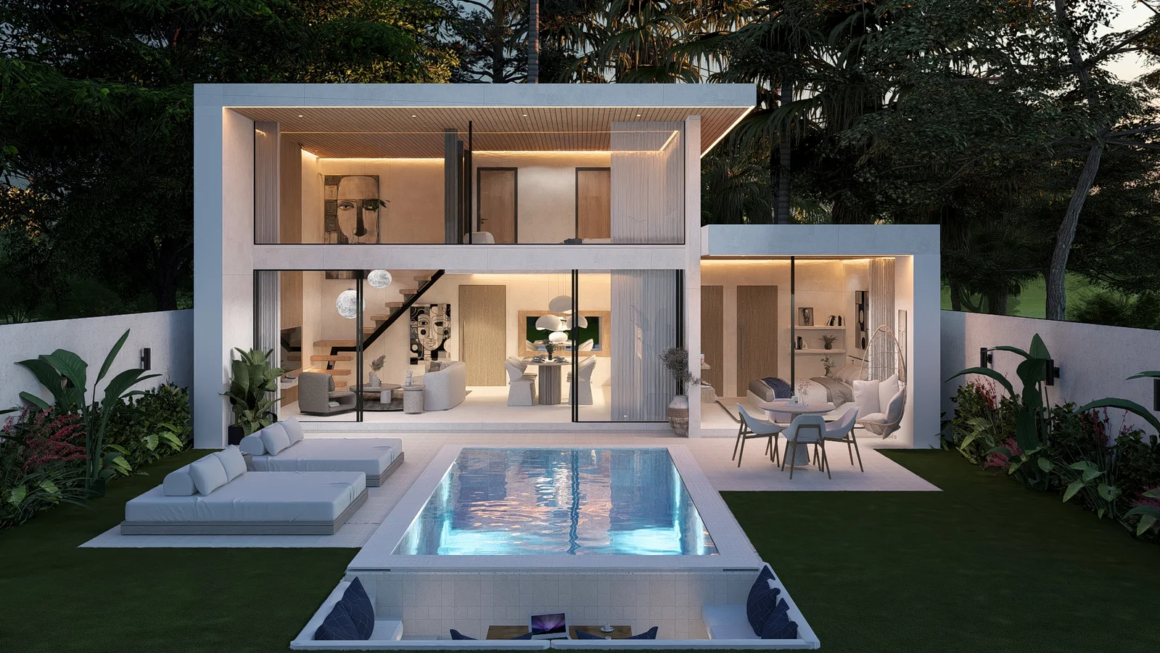
Luxury interiors rarely become memorable because of the number of materials they contain. More often, they are remembered for the way a handful of carefully chosen materials make a space feel.
Walk into two homes with similar layouts and furniture, and the emotional experience can be entirely different. One may appear polished yet feel distant, while the other immediately conveys warmth, calm, and permanence. The difference often lies in the materials themselves. Their texture, their imperfections, and the way they respond to natural light create an atmosphere that decoration alone can never achieve. This philosophy has become increasingly significant within bali villa interior design, where architecture seeks a closer relationship with the surrounding landscape.
Rather than asking which materials appear the most luxurious, we prefer to ask a different question: which materials allow a home to feel more connected to its environment and to the people who live within it?
Natural Materials Give Interiors a Sense of Authenticity
Luxury is frequently associated with flawless finishes and immaculate surfaces. Yet some of the most refined interiors deliberately embrace variation instead of perfection.
Natural stone reveals subtle shifts in colour, timber displays distinctive grain patterns, and handcrafted plaster reflects changing daylight in unexpected ways. These characteristics are not imperfections waiting to be corrected. They are reminders that every material carries its own history, making each interior feel unique rather than manufactured.
Imperfection Creates Character
Perfectly uniform surfaces often appear impressive at first glance, but they rarely become more interesting with time.
Natural materials behave differently. A slab of travertine may contain fossil markings that cannot be replicated. Solid timber quietly changes tone as it ages. Hand-finished lime plaster captures shadows differently from one hour to the next. These subtle variations give interiors a sense of depth that remains engaging long after the novelty of a newly completed project has faded.
For us, luxury is often found in those quiet details that reveal themselves gradually instead of demanding immediate attention.
Materials Should Tell the Truth
Every material communicates something about the home.
When stone is allowed to look like stone and timber is celebrated for its natural texture rather than hidden beneath heavy finishes, interiors begin to feel honest. That honesty creates a stronger emotional connection because nothing is pretending to be something else.
We believe authenticity is one of the defining characteristics of timeless design. Materials that express their true nature rarely fall out of fashion because their beauty comes from inherent qualities rather than passing trends.
Texture Shapes the Atmosphere More Than Colour
Many homeowners begin discussing interiors by talking about colour palettes.
While colour certainly influences mood, texture often has a greater impact on how a space is experienced. Smooth stone, brushed timber, woven natural fibres, textured plaster, and handcrafted ceramics all interact with light in different ways, creating interiors that feel layered without becoming visually busy.
An interior composed of restrained colours can still feel remarkably rich when texture becomes the primary design language.
Light Reveals the Beauty of Natural Surfaces
Natural materials are never static.
Morning light may soften the appearance of timber flooring, while afternoon sunlight highlights the depth of textured walls. As daylight changes, the interior quietly transforms alongside it, creating spaces that feel alive without relying on decorative elements.
This constant dialogue between material and light is one reason we often simplify colour palettes. When visual distractions are reduced, the qualities of natural materials become far more expressive.
The Human Hand Leaves a Lasting Impression
Machine-made products often achieve remarkable precision.
Yet handcrafted materials introduce subtle irregularities that make interiors feel more personal. Slight differences in handmade tiles, carefully finished joinery, or artisan-crafted stonework add individuality without overwhelming the architecture.
These details remind us that luxury is not always defined by perfection. Sometimes it is defined by the presence of craftsmanship, where the skill of the maker remains visible within the finished space.
Interior Design Should Appeal to More Than Vision

Most people experience interiors primarily through what they see.
Architecture asks us to think more broadly. The temperature of stone beneath bare feet, the warmth of timber under a handrail, the softness of woven fabrics, or the acoustic quality created by natural finishes all influence how a home feels throughout the day.
Within interior design bali, these sensory experiences become especially important because the relationship between indoor and outdoor living encourages constant interaction with materials. Surfaces are touched more frequently, daylight changes continuously, and natural ventilation brings the surrounding environment into the home.
A successful interior is therefore not only visually beautiful. It is comfortable to inhabit because every material contributes to the overall sensory experience rather than simply decorating the space.
Materials Create Continuity Between Architecture and Landscape
One of the most rewarding aspects of residential design is creating interiors that feel inseparable from their surroundings.
When similar materials continue from indoor living spaces onto shaded terraces or courtyards, the transition between architecture and landscape becomes almost imperceptible. Stone flooring extends beyond the glass, timber ceilings continue beneath covered outdoor areas, and natural textures establish a visual rhythm that connects the entire residence.
Rather than creating contrast between inside and outside, we often look for opportunities to strengthen their relationship. A home feels larger when its materials encourage the eye to move effortlessly through different spaces without abrupt visual interruption.
This approach has become an important part of our work at Adoani Architects Bali, where the surrounding environment is never treated as a backdrop but as an essential component of the architectural experience.
Natural Materials Become More Beautiful Through Time
Many products are designed to look their best on the day they are installed.
Natural materials rarely follow that pattern. Instead of resisting time, they develop character through it. Timber gains depth in colour, bronze develops a soft patina, and stone records subtle traces of everyday life without losing its integrity. Rather than seeing these changes as imperfections, we see them as evidence that a home is being lived in.
This ability to mature gracefully is one of the reasons natural materials remain central to timeless residential design.
Designing for Decades Instead of Trends
Interior trends often change faster than architecture itself.
A fashionable finish may feel contemporary today but appear dated only a few years later. Natural materials have a different relationship with time because they are not defined by current design movements. Their appeal comes from qualities that have remained relevant across generations.
When we select materials, we often imagine how the home will feel ten or twenty years after completion rather than how it will appear in a newly finished photograph. That perspective encourages decisions that continue rewarding homeowners long after trends have disappeared.
Every Mark Becomes Part of the Story
Many people worry about wear before they begin living in a new home.
In reality, thoughtful architecture should allow materials to age naturally without losing their beauty. A timber dining table that gathers subtle marks from family meals or a stone staircase gently polished by years of daily use often becomes more meaningful because it reflects life rather than resisting it.
The most memorable interiors rarely remain untouched. They evolve alongside the people who inhabit them.
A Refined Material Palette Creates Calm Interiors

Luxury is sometimes mistaken for variety.
We often discover the opposite. Introducing too many materials can divide an interior into unrelated visual experiences, making spaces feel fragmented even when every finish is individually beautiful.
A carefully edited material palette creates consistency throughout the home, allowing architecture to remain the focus while every room feels connected to the next.
Repetition Builds Visual Harmony
Using the same material in different ways creates richness without introducing unnecessary complexity.
A single variety of natural stone may appear as flooring, bathroom surfaces, landscape walls, or custom furniture details. Timber may continue from cabinetry into ceiling elements or carefully crafted joinery. These repeated materials establish continuity while revealing new qualities in different applications.
The result is an interior that feels cohesive rather than repetitive.
Fewer Materials Often Reveal Greater Craftsmanship
Limiting materials also allows greater attention to detail.
When a project includes fewer finishes, every junction, edge, and transition receives more consideration. Stone meets timber with precision. Joinery aligns seamlessly with architectural walls. Shadow gaps replace decorative trims, allowing craftsmanship to become visible through careful execution instead of ornament.
Luxury is often experienced through the quality of these small moments rather than the quantity of expensive finishes.
Sustainability Begins With Choosing Materials That Last
Conversations about sustainability frequently focus on technology.
While energy-efficient systems certainly contribute to responsible design, material selection has an equally significant influence on the long-term performance of a home. Choosing durable, repairable, and timeless materials reduces unnecessary replacement while encouraging buildings to remain relevant for generations.
Sustainability is therefore not only about reducing environmental impact today. It is also about designing interiors that people continue valuing many years into the future.
Longevity Reduces Waste
Materials that require continual replacement rarely support sustainable architecture.
Natural stone, solid timber, clay, and other enduring materials often remain beautiful for decades when properly specified and maintained. Their durability reduces the need for renovation, limiting both waste and the environmental impact associated with replacing short-lived finishes.
A material that lasts fifty years often becomes more sustainable than one requiring replacement every decade, regardless of its initial cost.
Local Materials Strengthen Architectural Identity
Every region offers materials that belong naturally to its landscape.
Working with locally available stone, sustainably sourced timber, and traditional craftsmanship often strengthens both environmental responsibility and architectural authenticity. These materials carry a sense of place that imported alternatives sometimes struggle to achieve.
Within bali villa interior design, this relationship between local resources and contemporary architecture creates interiors that feel deeply rooted in their surroundings rather than disconnected from them.
The Finest Interiors Are Quiet Rather Than Loud
Luxury does not need to announce itself.
Some of the most sophisticated interiors reveal their quality gradually, encouraging closer observation rather than immediate admiration. Texture replaces ornament. Craftsmanship replaces excess. Carefully proportioned spaces allow natural materials to become the defining feature instead of decorative accessories.
This quieter approach creates interiors that remain calming despite their richness because every element has been chosen with intention rather than abundance.
Thoughtful architectural discussions that naturally relate to this philosophy include:
- Material Palette Development
- Contemporary Residential Interiors
- Biophilic Interior Design
- Luxury Home Architecture
- Custom Joinery Design
At Adoani Studio, we often find that the most rewarding interiors are those where materials are allowed to lead the conversation. Rather than competing for attention, architecture, craftsmanship, and carefully selected finishes work together to create spaces that feel both refined and deeply personal.
Natural Materials Reflect the Way We Want to Live
The materials we choose influence far more than the appearance of a home. They shape how spaces are experienced from morning until evening, how comfortably they age, and how people connect with their surroundings over many years.
A polished stone floor that remains cool beneath bare feet, solid timber that carries the warmth of the afternoon light, or handcrafted plaster that reveals subtle shadows throughout the day all contribute to daily rituals that often go unnoticed. Individually, these moments may seem small. Together, they define the emotional character of a home.
Modern luxury is therefore not created by selecting the rarest or most expensive materials available. It emerges from understanding how materials support architecture, respond to climate, and enrich everyday living through authenticity rather than excess.
Conclusion
Natural materials have remained central to residential architecture for centuries, not because they follow design trends, but because they continue to create spaces that feel authentic, comfortable, and deeply connected to everyday life.
When thoughtfully integrated into modern interiors, stone, timber, clay, natural fibres, and handcrafted finishes do far more than enhance visual appeal. They influence atmosphere, respond gracefully to time, strengthen the relationship between architecture and landscape, and create homes that become more meaningful as they are lived in.
At Adoani Architects Bali, we believe luxury interior design is ultimately an exercise in restraint rather than excess. The most memorable homes are rarely defined by the number of materials they contain, but by the care with which each material has been chosen and composed. When architecture allows natural materials to speak honestly, the result is an interior that feels timeless—not because it resists change, but because it continues to reveal new qualities with every passing year.
