
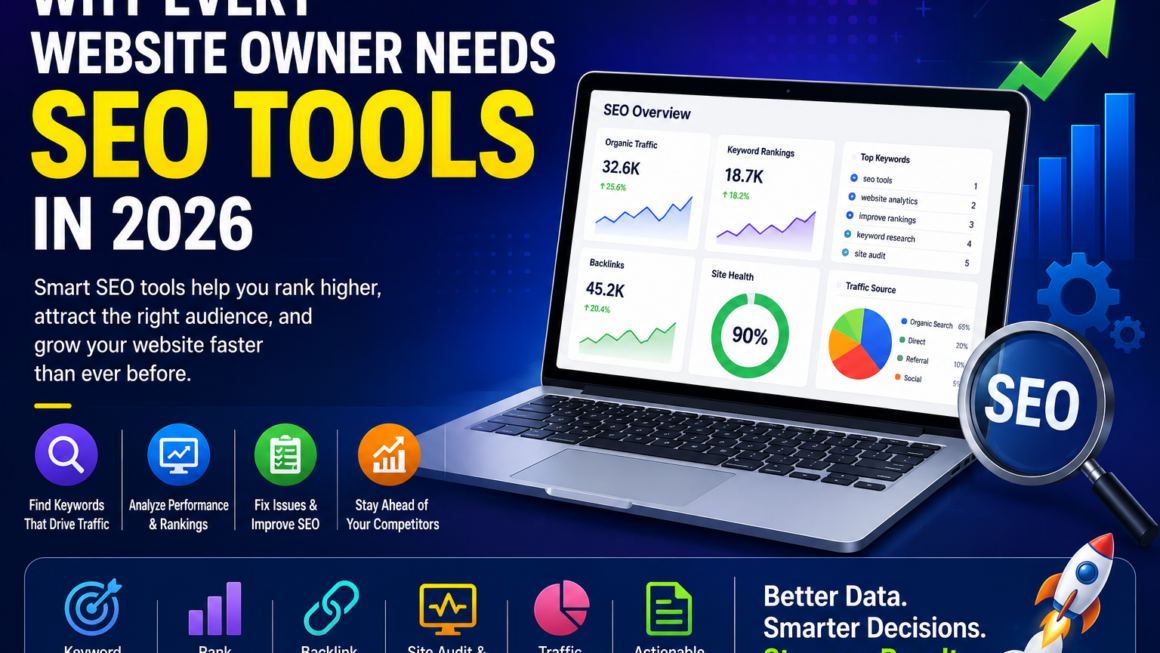
In 2026, SEO tools are more crucial than ever for website owners. The digital landscape is evolving rapidly. Staying ahead requires the right resources.
SEO group buy tools that offer insights that are vital for success. They help improve website performance and boost search engine rankings. Without them, you risk falling behind.
Keyword research is a cornerstone of effective SEO. It identifies the terms your audience is searching for. This knowledge is key to driving traffic.
Website analysis uncovers technical issues that could hinder performance. Fixing these issues enhances user experience and search visibility. It’s an essential part of website optimization.
Ranking tools track your position in search results. They provide a clear picture of your competitive standing. This information is invaluable for strategic planning.
Traffic analysis tools reveal where visitors come from and how they interact with your site. Understanding this behavior is crucial for growth.
SEO software automates tasks, saving time and increasing efficiency. In 2026, these tools are more advanced, offering deeper insights.
Investing in SEO tools can lead to significant returns. They are indispensable for anyone serious about improving their online presence.
The Evolution of SEO: Why 2026 Is a Pivotal Year
As we dive into 2026, SEO continues to evolve at a breathtaking pace. Search engines are getting smarter, adapting to user needs and behaviors. Website owners must adapt or risk becoming obsolete.
In recent years, AI and machine learning have revolutionized SEO. These technologies provide incredible insights and predictive analytics. They are shaping the future of search optimization.

Several factors make 2026 a turning point for SEO:
- Increased use of AI and machine learning.
- Greater emphasis on mobile and voice search.
- The rise of local search dynamics.
- Growing concerns around data privacy.
- Integration of SEO with other digital marketing platforms.
Mobile optimization has become non-negotiable. As mobile usage surpasses desktop, search algorithms prioritize mobile-friendly sites. This shift affects how websites are ranked and discovered.
Voice search is growing quickly. Devices like Alexa and Google Home change how queries are made. Websites must optimize for natural language queries to stay relevant.
Local SEO is more important as consumers seek nearby services. Targeting local keywords and optimizing Google My Business profiles can enhance visibility. This trend is vital for small businesses.
In 2026, data privacy is a major concern. SEO tools are evolving to comply with regulations like GDPR. Ensuring that user data is protected is crucial for maintaining trust.
Finally, integrating SEO tools with other marketing platforms offers a holistic view of online efforts. This synergy enhances overall strategy and optimizes results. Adapting to these trends is essential for success.
Understanding SEO Tools: What They Are and How They Work
SEO tools are indispensable for website owners in 2026. They provide crucial insights into search engine performance. At their core, SEO tools help improve site visibility.
These tools are designed to simplify complex data analysis. They gather information across multiple metrics. SEO tools transform data into actionable insights.
Different types of SEO tools exist, each serving a unique purpose. Some common categories include:
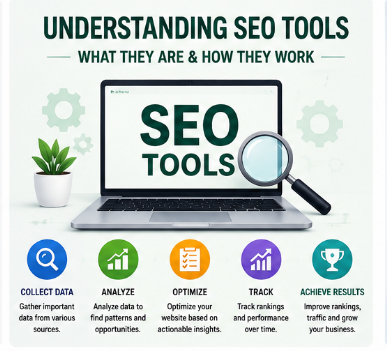
- Keyword Research Tools: Help identify high-value search terms.
- Rank Tracking Tools: Monitor your website’s position in search results.
- Site Audit Tools: Identify technical issues affecting site performance.
- Traffic Analysis Tools: Provide insights into visitor behavior.
- Backlink Analysis Tools: Evaluate the quality of inbound links.
Keyword research tools guide content creation. They identify terms that your audience searches for. By targeting these keywords, you enhance your search ranking.
Rank tracking tools keep you updated on your position in SERPs. These updates allow you to adjust strategies quickly. It’s essential for staying competitive.
Site audit tools detect technical errors that impact SEO. They can uncover issues like broken links and slow page speeds. Fixing these can boost your search visibility.
Traffic analysis tools reveal how visitors interact with your site. Understanding user behavior helps refine your content. This leads to more effective user engagement.
In summary, SEO tools are the backbone of modern website management. They streamline processes and save time. For effective website optimization, investing in robust SEO tools is a must.
Essential SEO Metrics Every Website Owner Should Track
Understanding SEO metrics is vital for any website owner. These metrics provide a snapshot of your site’s health. They help in aligning strategies with your business goals.
The most important SEO metrics are diverse. They include:
- Organic Traffic: Measures visitors from search engines.
- Bounce Rate: Indicates the percentage of users leaving immediately.
- Conversion Rate: Tracks how many visitors complete desired actions.
- Backlinks: Reflect the number and quality of inbound links.
- Page Load Time: Affects user experience and search rankings.
- Keyword Rankings: Show where you stand for targeted terms.
- Click-Through Rate (CTR): Shows the percentage of users clicking your links in SERPs.
Organic traffic is the lifeblood of your online presence. It signifies how well your site is discovered naturally. Growing organic traffic should be a key focus.
Bounce rate reveals the initial reaction of your visitors. A high bounce rate can signal content or user experience issues. Tackling this can lead to better engagement.
Conversion rate measures success in meeting goals. It turns visitors into loyal customers. Improving conversion is crucial for increasing revenue.
Backlinks measure your site’s credibility. They show search engines your site’s authority. High-quality backlinks can significantly boost your SEO.
Page load time impacts user satisfaction. Slow loading times can deter potential visitors. Optimizing speed enhances both user experience and search rankings.
Keyword rankings tell you where you stand in SERPs. They help you assess the effectiveness of your SEO strategies. Keeping track of keyword positions is critical for progress.
Click-through rate (CTR) helps gauge your content’s appeal. Higher CTRs mean more users find your listings enticing. Always work towards improving this metric.
In essence, these metrics offer valuable insights. They guide you in refining your SEO efforts. Regularly tracking them can lead to sustained growth and success.
Keyword Research in 2026: Smarter Strategies for Better Results
Keyword research is pivotal in SEO. As we move into 2026, strategies have evolved significantly. This evolution reflects changes in search behavior and technology.
Advanced keyword research tools now incorporate AI. This leads to more accurate prediction of keyword trends. These tools provide insights beyond simple search volumes.
Understanding user intent is now more crucial than ever. It’s not just about what users search for. It’s about why they search for it.
In 2026, smarter strategies focus on long-tail keywords. These keywords, often more specific and less competitive, provide valuable opportunities. They attract targeted traffic and meet detailed search queries.
Effective keyword research involves multiple steps:
- Identify Core Topics: Start with broad subjects relevant to your business.
- Use AI Tools: Leverage technology to find keyword variations.
- Analyze Competitor Keywords: Understand what competitors target.
- Focus on Intent: Match keywords with the user’s purpose.
- Review Trends: Stay updated with seasonal and industry shifts.
Finally, don’t ignore voice search. With the growth of smart devices, optimizing for spoken queries becomes essential. These queries often differ from typed ones, emphasizing natural language patterns.
In conclusion, 2026 demands adaptive keyword research strategies. By focusing on user intent and leveraging technology, website owners can gain a competitive advantage. Embrace these changes for better SEO outcomes.
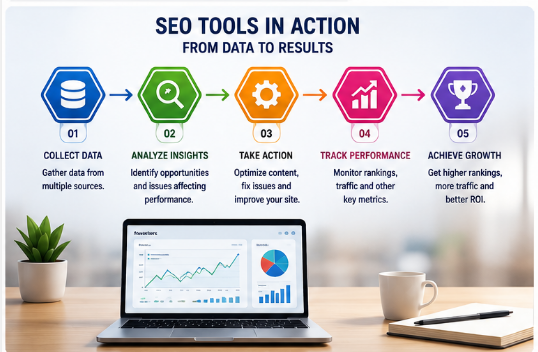
Website Analysis and Site Audits: Uncovering Hidden Issues
Website analysis and site audits are integral to maintaining a healthy site. They help identify issues that might otherwise go unnoticed. In 2026, these processes are more sophisticated than ever.
A comprehensive site audit dives deep into your website’s architecture. It assesses elements like site speed, security, and usability. Such evaluations are critical for improving the user experience.
SEO tools designed for website analysis provide vital insights. They highlight broken links, duplicate content, and other potential roadblocks. Addressing these can significantly enhance site performance and rankings.
Conducting regular site audits prevents technical issues from escalating. They keep your website aligned with search engine guidelines. This is crucial in a landscape where algorithms constantly evolve.
Features of modern site audits include:
- Technical Analysis: Examines backend structure and coding.
- Content Evaluation: Reviews for relevance and effectiveness.
- SEO Compliance Check: Ensures adherence to SEO best practices.
- Performance Metrics: Analyzes speed and mobile-friendliness.
- User Experience Review: Assesses navigation and accessibility.
One emerging trend in 2026 is the integration of AI in site audits. This technology enhances accuracy and offers predictive capabilities. By anticipating issues, it allows proactive solutions.
In conclusion, neglecting site audits can lead to missed opportunities and declining performance. Utilizing advanced analysis tools ensures your site remains competitive. It’s an investment that pays off in better visibility and user satisfaction.
Ranking Tools: Monitoring Your Position in a Competitive Landscape
Staying informed about your website’s rankings is crucial in a competitive environment. Ranking tools are essential in tracking your positions on search engine result pages (SERPs). They provide a clear picture of your website’s visibility.
These tools do more than just show your rank. They offer insights into how your SEO strategies are performing. By understanding these dynamics, you can make necessary adjustments to boost your visibility.
Modern ranking tools in 2026 come with advanced features. They not only track current positions but also monitor competitors’ rankings. This comparative analysis helps you identify areas where you can gain an edge.
With real-time data, you can quickly react to position changes. This responsiveness is critical for maintaining and improving your rankings. Seeing shifts early allows you to tweak your strategies effectively.
Common features of ranking tools include:
- Keyword Tracking: Monitors performance of targeted keywords.
- Competitor Analysis: Compares your site to your competitors.
- Mobile Rankings: Checks position on mobile search results.
- Historical Data: Tracks ranking trends over time.
- SERP Features: Identifies opportunities for featured snippets.
As the internet landscape evolves, so do ranking challenges. In 2026, keeping an eye on rankings is more important than ever. It’s about leveraging the right tools to remain visible and outperform your rivals.
Traffic Analysis: Understanding Your Audience and Their Behavior
Understanding your audience’s behavior is key to developing effective marketing strategies. Traffic analysis tools are indispensable in this process. They provide insights into who visits your website and what actions they take.
These tools offer a wealth of information. You can learn about where your visitors come from, such as search engines or social media. Knowing the source helps tailor your marketing efforts.
Analyzing visitor behavior reveals how they interact with your site. You can see which pages they visit, how long they stay, and where they exit. This data is crucial for identifying areas of improvement.
In 2026, traffic analysis tools are more sophisticated. They integrate AI to offer predictive insights. This helps in anticipating user needs and behaviors for better engagement.
A typical traffic analysis tool includes features like:
- Source Tracking: Identifies where visitors originate.
- Behavior Flow: Visualizes paths users take through your site.
- Engagement Metrics: Measures metrics like bounce rate and session duration.
- Conversion Analysis: Tracks how visitors convert into customers.
- Demographic Insights: Provides data on user demographics and interests.
These insights are invaluable. Traffic analysis tools not only help in understanding current user behavior but also predict future trends. By leveraging these tools, website owners can enhance user experience and increase conversions.

Website Optimization: Turning Insights into Action
Website optimization involves transforming data into meaningful changes. Insights gathered from various SEO tools provide the groundwork. They help pinpoint areas needing improvement.
Understanding is only part of the process. The real challenge is acting on insights effectively. Actionable insights drive decisions that optimize site performance.
Optimization covers many areas. It includes improving load speed, enhancing user experience, and ensuring mobile responsiveness. Each has a direct impact on user engagement.
Data-driven adjustments are crucial. They involve making informed decisions based on traffic and user behavior data. This alignment leads to better outcomes.
In 2026, automation plays a significant role in website optimization. Advanced tools offer automatic suggestions and changes, saving time and improving efficiency. AI assists in identifying subtle patterns often missed by manual reviews.
Effective website optimization encompasses:
- Speed Enhancements: Reducing page load times for better user experience.
- Content Adaptation: Modifying content based on user preferences.
- Mobile Adaptation: Ensuring seamless mobile device access.
- SEO Tweaks: Fine-tuning SEO elements for greater searchability.
- UX Design Improvements: Streamlining navigation and design for user satisfaction.
With continuous optimization, businesses can enhance their online presence and competitiveness. Adapting swiftly to insights ensures long-term success. This agility allows website owners to maintain an edge in the dynamic digital landscape.
The Role of AI and Machine Learning in Modern SEO Tools
AI and machine learning revolutionize SEO in 2026. These technologies bring unprecedented precision and efficiency. They transform how website owners optimize their sites.
SEO tools powered by AI offer deep insights. They analyze massive datasets swiftly, revealing patterns and trends. This speed is pivotal in the fast-evolving digital realm.
Predictive analytics is one major benefit of AI. It allows tools to forecast trends and user behavior. This foresight enables proactive optimizations and strategic planning.
Machine learning enhances personalization in SEO. It adjusts tools to learn from user interactions and site performance. This adaptability ensures continuous improvement and relevance.
AI also refines keyword strategies. It evaluates search intent, optimizing content for better engagement. This results in enhanced user experience and higher rankings.
Incorporating AI in SEO tools provides:
- Predictive Analytics: Anticipating future SEO trends and behaviors.
- Automated Adjustments: Implementing changes based on learning from data.
- Enhanced Personalization: Tailoring insights specific to user and site needs.
- Improved User Interaction Analysis: Interpreting complex user engagement patterns.
- Advanced Keyword Analysis: Deepening understanding of user search intents.
By embracing AI and machine learning, website owners stay competitive. These technologies offer a distinct advantage in crafting a responsive, engaging online presence.

Local SEO, Voice Search, and Mobile Optimization: Tools for the Future
In 2026, local SEO holds great importance for businesses. Targeting customers nearby is more effective with specialized tools. These tools ensure businesses show up in local searches with accurate and updated information.
Voice search is another significant area transforming SEO. As more devices include voice search functionality, businesses must adapt. SEO tools designed for voice search optimize content to match conversational queries.
Mobile optimization remains essential, especially with the rise of smartphones and tablets. SEO tools help ensure websites are responsive and fast-loading on mobile devices. Mobile-friendly sites enhance user experience and improve rankings.
To succeed, website owners must leverage tools focusing on these three areas. Such tools provide a comprehensive approach to modern SEO challenges. They help maintain visibility and competitiveness in evolving landscapes.
Essential features of these SEO tools include:
- Geo-Targeting: Tailoring content and offerings for specific locations.
- Conversational Keyword Suggestions: Adapting for voice search queries.
- Mobile Performance Metrics: Tracking site speed and usability on mobile devices.
- Schema Markup for Local SEO: Enhancing search result presentation.
- Mobile-First Audits: Prioritizing mobile users’ experience.
By embracing these future-focused SEO tools, businesses build stronger connections. This approach ensures they meet customers’ needs wherever and however they search. Adapting to these trends promises sustained relevance and improved visibility.
Backlink and Competitor Analysis: Staying Ahead of the Curve
Backlinks remain crucial in SEO, acting like votes of confidence. Quality links boost authority and enhance search visibility. SEO tools can find these linking opportunities effectively.
To stay ahead, you need to know what competitors are doing. Competitor analysis tools reveal their strategies and uncover gaps in your approach. By understanding their strengths, you can refine your tactics.
Analyzing your competitor’s backlinks provides insights into reputable sites in your industry. These insights can guide your own link-building efforts. Tools that automate these tasks save valuable time and effort.
Being proactive rather than reactive is critical in dynamic markets. Competitor analysis tools help anticipate industry shifts before they happen. Implementing changes based on data keeps you competitive.
Using SEO tools for these tasks gives you a clearer picture of the digital landscape. You gain insights not only into your strategies but also into areas requiring improvement.
Essential features of these tools include:
- Backlink Quality Assessment: Determining the credibility of inbound links.
- Competitive Gap Analysis: Identifying untapped opportunities.
- Link Building Suggestions: Recommending sites to target for backlinks.
- Monitoring Competitor Activity: Keeping track of their SEO adjustments.
- SERP Position Tracking: Observing competitors’ rankings over time.
These tools are pivotal in maintaining an edge in the online arena. By leveraging these powerful insights, your strategies become more informed and effective.
Integrating SEO Tools with Other Marketing Platforms
Integrating SEO tools with marketing platforms streamlines your workflow and enhances efficiency. This synergy provides a holistic view of your marketing efforts. By linking SEO data with other tools, you unlock deeper insights.
Cross-platform integration lets you align SEO strategy with broader marketing objectives. This alignment ensures cohesive messaging and brand consistency. It also facilitates real-time decision-making by consolidating data into a single interface.
Bridging SEO with platforms like CRM or analytics tools allows for richer data analysis. You can better understand how SEO impacts customer behavior and sales. This comprehensive view helps in crafting more effective campaigns.
Key benefits of integration include:
- Unified Data Access: Centralized insights across all marketing channels.
- Enhanced Collaboration: Teams can easily share data and insights.
- Improved Reporting: Consolidated reports offer a clearer picture of performance.
- Efficiency Boost: Reduces time spent switching between different tools.
- Informed Strategy Development: Data-driven approach in crafting marketing strategies.
Integration makes managing your digital presence more efficient and insightful. It enables businesses to adapt quickly in a fast-paced digital environment.
Data Privacy, Security, and Compliance in SEO Tools
As SEO tools become more sophisticated, ensuring data privacy and security is crucial. Protecting user information requires robust security measures. Website owners must prioritize compliance with global data regulations.
In 2026, data breaches remain a significant risk. Choosing SEO tools with strong encryption and secure data handling practices is vital. Owners should actively monitor tools for vulnerabilities and updates.
Compliance with laws like GDPR ensures that you respect user privacy. SEO tools should offer customizable privacy settings. This compliance not only protects user data but also builds trust with visitors.
Important considerations for data security in SEO tools include:
- Encryption Standards: Ensure data is encrypted both in transit and at rest.
- Regular Updates: Keep software up-to-date with the latest security patches.
- Access Controls: Use permissions and access logs to monitor data access.
- Compliance Certifications: Check for certifications and compliance with relevant regulations.
- User Consent Management: Ensure tools support the management of user consent.
Ultimately, prioritizing data privacy and compliance enhances brand reputation. It also mitigates potential legal repercussions from mishandled data.
Customization, Collaboration, and Reporting: Making SEO Tools Work for You
SEO tools are not one-size-fits-all solutions. Customization is crucial to meet specific business needs. Tailor SEO reports to focus on relevant metrics.
Collaboration features enhance teamwork and efficiency. SEO tools should facilitate easy sharing of insights and data. This ensures everyone is on the same page.
Effective reporting can set your strategy apart. Detailed dashboards offer clear overviews of performance. Use them to make informed decisions and refine your approach.
Key customization and reporting features include:
- Custom Dashboards: Tailor views to display priority metrics.
- Collaborative Editing: Work on projects with team members.
- Automated Reporting: Schedule regular updates with key insights.
- Interactive Data Visualization: Engage stakeholders with compelling visuals.
- Integration Options: Connect tools with other systems for seamless data flow.
Ultimately, the right mix of customization, collaboration, and robust reporting transforms raw data into actionable intelligence. This empowers teams to drive strategic success and optimize websites effectively.
Choosing the Right SEO Tools for Your Website in 2026
Selecting the right SEO tools in 2026 is not just about features. It’s about finding a solution that aligns with your unique business goals. Understand the specific needs of your website before making a decision.
Ensure the tool’s ease of use matches your team’s expertise. A steep learning curve can hinder productivity. Opt for tools that offer intuitive interfaces and comprehensive support.
Consider the ability to scale as your business grows. Scalable tools adapt to increasing demands and complexities. This prevents the need for frequent changes and integrations.
Look for these essential features in your SEO tools:
- User-Friendly Interface: Facilitate quick onboarding.
- Comprehensive Support: Access to resources and customer service.
- Scalability Options: Adaptable to business growth.
- Integration Capabilities: Easily connect with existing platforms.
- Cost Efficiency: Balance budget with functionalities.
By focusing on these aspects, website owners can ensure their investment in SEO tools is both strategic and sustainable. Make informed decisions that support long-term success.
Common Pitfalls and Limitations of SEO Tools
SEO tools offer powerful insights but have inherent limitations. They provide data but interpreting it correctly is crucial. Misinterpretation can lead to ineffective strategies.
Reliance on automation can also be misleading. While automation saves time, it cannot replace human judgment. Make sure to use these tools to complement, not replace, your expertise.
SEO tools sometimes produce incomplete or outdated data. Search engines update algorithms frequently. Constantly verify that your tools align with the latest SEO trends.
Be aware of these common pitfalls when using SEO tools:
- Over-Reliance on Automation: Can cloud human analysis.
- Data Misinterpretation: Risks creating flawed strategies.
- Incomplete Data: Might not reflect current trends.
- Neglecting Human Insight: Can miss nuanced opportunities.
To maximize effectiveness, combine tool insights with strategic thinking. Understanding these limitations will help you employ SEO tools more wisely and gain optimal benefits.
The ROI of Investing in SEO Tools: Real-World Success Stories
Investing in SEO tools can yield significant returns. Businesses across industries have seen remarkable improvements in traffic and sales. Let’s explore some real-world success stories.
A small e-commerce shop used SEO tools for targeted keyword research. This led to a 40% increase in organic traffic within six months. Their sales also rose in tandem, boosting their overall revenue.
Another company, a digital marketing firm, integrated traffic analysis software into their strategy. They identified high-performing content and replicated its success, resulting in a 30% boost in client ROI.
Here are a few tangible results from using SEO tools:
- 40% Increase in Organic Traffic: Case of the e-commerce shop.
- 30% Boost in Client ROI: From a digital marketing firm.
- Improved Sales: Direct correlation with increased traffic.
These examples show that strategic use of SEO tools is not just an expense. It’s a lucrative investment that drives real growth.
The Future of SEO Tools: Trends to Watch Beyond 2026
The landscape of SEO tools is on the brink of a revolutionary transformation. With rapid technological advancements, several trends are set to shape the future. These trends will redefine how we understand and interact with SEO tools.
One significant trend is the growing reliance on artificial intelligence. AI will offer deeper insights and enhance predictive analytics capabilities. This can lead to more precise targeting and personalized marketing strategies.
As data privacy concerns rise, SEO tools will increasingly focus on compliance and data protection. Ensuring user data is secure and adhering to regulations will be paramount. This trend is already becoming a necessity rather than an option.
Anticipate the following in the coming years:
- AI-Driven Insights: Advanced data interpretation and personalization.
- Enhanced Data Privacy: Stronger focus on user protection.
- Integration with Emerging Technologies: Seamless interfacing with new tech.
Embracing these trends will empower businesses to stay ahead. Understanding and leveraging them is essential for ongoing success. The future of SEO tools looks promising and dynamic.
Conclusion: Why No Website Owner Can Afford to Ignore SEO Tools in 2026
In 2026, SEO tools will be indispensable for website success. They provide vital insights and enhance digital visibility. Without them, staying competitive is nearly impossible.
These tools streamline processes and identify opportunities. They guide strategic decisions with accurate data. From keyword research to traffic analysis, SEO tools cover all bases.
Ignoring SEO tools puts your online presence at risk. Competitors using these tools will surpass you. Their advantages in efficiency and data-driven strategies are undeniable.
The digital landscape is evolving rapidly. Embracing SEO tools ensures you’re prepared. They help you adapt to changes and maintain strong performance.
Ultimately, investing in SEO tools brings undeniable returns. Increased traffic and engagement lead to growth. Every website owner will benefit from this essential resource in 2026.
FAQs: SEO Tools for Website Owners in 2026
What are SEO tools?
SEO tools are software programs that help improve website performance. They provide insights into keywords, traffic, and rankings.
Why are SEO tools important for website owners?
They help enhance online visibility and attract more visitors. SEO tools make it easier to identify and fix website issues.
How do SEO tools assist in keyword research?
These tools identify popular search terms related to your industry. They help target the right keywords to attract your audience.
What role do SEO metrics play in website optimization?
SEO metrics measure your site’s performance. They provide data on page speed, bounce rates, and user engagement.
Can SEO tools improve website ranking?
Yes, they help optimize content and structure. This can lead to better search engine rankings over time.
Are there SEO tools for mobile and voice search optimization?
Absolutely, many tools focus on mobile and voice search optimization. They ensure your site is accessible on all devices.
How do SEO tools integrate with other marketing platforms?
Integration allows for a holistic view of marketing efforts. They provide seamless data sharing across platforms.
Is data security a concern with SEO tools?
Yes, always choose tools with strong security measures. They ensure your data remains safe and private.
What factors should I consider when choosing SEO tools?
Consider your budget, specific needs, and tool features. User reviews and customer support are also important.
Are there free SEO tools available?
Yes, many tools offer free versions with basic features. These are great for small businesses or beginners.