
Your chimney works hard. Every fire you light, every cold night it pulls smoke safely out of your living room—your chimney is doing the heavy lifting. But like any hardworking part of your home, it needs attention. The question most homeowners don’t ask until something goes wrong is: when did you last have it professionally inspected?
At Smoke Alert Home Fire Safety, we see the full picture of what happens when chimneys go unchecked—and what happens when they don’t. A professional chimney inspection isn’t just a checkbox on a home maintenance list. It’s one of the smartest investments a homeowner can make, and here’s why.
What Does a Chimney Inspection Actually Involve?
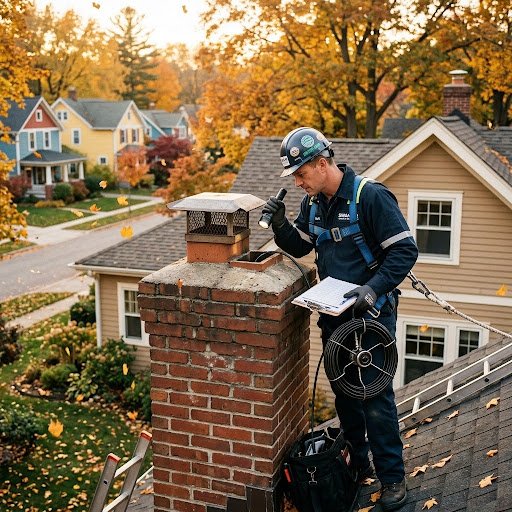
Many homeowners picture a glance up the flue with a flashlight. A professional chimney inspection is far more thorough than that.
Certified chimney technicians evaluate every component of your chimney system—from the firebox and damper at the base to the flashing, crown, and cap at the top. Depending on the level of inspection, they may also use specialized camera equipment to examine the interior of the flue liner for cracks, blockages, or deterioration that’s invisible to the naked eye.
There are three recognized levels of chimney inspection, as defined by the National Fire Protection Association (NFPA):
- Level 1: A visual check of all accessible portions of the chimney—recommended for chimneys used regularly without any changes to the system.
- Level 2: A more detailed inspection including video scanning of the flue interior—recommended after any change in fuel type, following a chimney fire, or during a home sale.
- Level 3: A comprehensive inspection that may involve removing portions of the chimney structure to access concealed areas—reserved for cases where serious hazards are suspected.
Smoke Alert Home Fire Safety offers all three levels, performed by experienced, certified professionals who know exactly what to look for.
Why Annual Chimney Inspections Matter More Than Most People Realize
Creosote is the word every chimney professional knows—and every homeowner should. It’s a tar-like byproduct of burning wood that accumulates on the interior walls of your flue over time. Left unchecked, creosote becomes highly flammable. According to the Chimney Safety Institute of America (CSIA), chimney fires account for tens of thousands of house fires in the United States each year, and creosote buildup is the leading cause.
Beyond fire risk, a compromised chimney can allow carbon monoxide—an odorless, colorless gas—to seep back into your living space rather than venting safely outside. Carbon monoxide poisoning is silent and dangerous, and a deteriorating flue liner is one of its most common household sources.
Annual inspections catch these problems early, when they’re manageable and affordable to fix. Waiting until something fails can mean far more extensive—and costly—repairs.
The Benefits That Go Beyond Fire Safety
Safety is the headline, but a professional chimney inspection delivers value in several other ways.
Protecting your property value. If you’re planning to sell your home, a chimney in poor condition can raise red flags during a buyer’s inspection. Having documented proof of regular professional inspections—and any recommended repairs—can strengthen buyer confidence and protect your asking price.
Extending the life of your chimney. Small cracks in the flue liner, minor mortar deterioration, or a loose chimney cap might seem insignificant. Over time, however, moisture works its way in, freeze-thaw cycles widen gaps, and what was once a minor issue becomes a major structural repair. Catching these issues annually keeps your chimney functioning—and standing—for decades.
Better heating efficiency. A clean, unobstructed flue draws better. Better draft means your fireplace or wood stove burns more efficiently, producing more heat with less fuel. For homeowners who rely on a fireplace as a primary or supplemental heat source, that efficiency adds up.
Peace of mind. There’s real value in knowing your home is safe. After a professional inspection, you can light a fire on a cold night without second-guessing the integrity of your chimney system.
When Is the Best Time to Schedule a Chimney Inspection?
The short answer: before you need your fireplace.
Late summer and early fall are ideal. Scheduling during these months means your chimney is assessed and cleaned before the heating season begins—so it’s ready when the first cold snap arrives. It also gives time for any repairs to be completed without the urgency of needing your fireplace that same week.
That said, if it’s been more than a year since your last inspection, or if you’ve never had one, there’s no wrong time to schedule. Smoke Alert Home Fire Safety serves homeowners year-round, with flexible scheduling that fits your calendar.
What Sets Smoke Alert Home Fire Safety Apart
Experience and certification matter in chimney services. Smoke Alert Home Fire Safety brings both. Our team of certified chimney specialists uses professional-grade inspection tools and follows NFPA standards on every single job. We don’t cut corners, and we don’t upsell services you don’t need.
What we do is give you an honest, thorough assessment of your chimney’s condition—and a clear explanation of anything that requires attention. No jargon, no pressure, just straight answers from professionals who take home fire safety seriously.
Is Your Chimney Ready for the Season Ahead?
Chimney inspection performed by a certified professional gives homeowners a thorough, expert-backed assessment of their entire chimney system—identifying safety hazards, structural concerns, and efficiency issues before they become costly problems that put your family and home at risk.
If you haven’t had your chimney inspected this year, now is the time to act. A single appointment with Smoke Alert Home Fire Safety could be the most important thing you do for your home this season. Reach out today to schedule your inspection—and head into the colder months with complete confidence in your chimney’s safety and performance.