
Planning an event can look simple from the outside, but anyone who has organized one knows how many moving parts are involved. From choosing a venue and managing guest lists to coordinating vendors and keeping track of schedules, even a small event can quickly become complicated. This is where an Event Management System can make a noticeable difference by helping organizers bring different tasks together in one place.
Technology has changed the way people approach event planning. Instead of relying entirely on spreadsheets, emails, phone calls, and handwritten notes, organizers can now use digital tools to manage everyday responsibilities more efficiently. These tools do not replace the creativity and personal touch that make an event memorable; instead, they give planners more time to focus on those important elements.
Simplifying the Planning Process
One of the biggest advantages of digital tools is that they can simplify the planning process. An event usually involves dozens of small tasks, and forgetting just one of them can create unnecessary problems later.
Digital platforms allow planners to create task lists, set deadlines, assign responsibilities, and monitor progress. Instead of constantly checking different documents or messages, organizers can have important information available in a centralized location.
This makes it easier to understand what has already been completed and what still needs attention. It also helps teams stay organized when several people are working on the same event.
Making Communication Easier
Good communication is essential for a successful event. Organizers often need to communicate with clients, team members, vendors, speakers, and attendees. When information is scattered across different communication channels, misunderstandings can easily occur.
Digital collaboration tools can make communication more straightforward. Team members can share updates, documents, schedules, and important announcements without relying on lengthy email chains.
Having a clear communication process also means that everyone can stay informed about changes. If the event schedule is updated or a responsibility is reassigned, the relevant people can be notified quickly.
Managing Guest Information Efficiently
Guest management can become particularly challenging as the number of attendees increases. Manually maintaining registration details can take considerable time and may also increase the risk of errors.
Digital registration and ticketing tools can make this process much easier. Organizers can collect attendee information, monitor registrations, manage ticket categories, and keep track of attendance from a centralized platform.
These tools can also improve the experience for attendees. Instead of filling out paperwork or waiting for manual confirmation, guests can often register and receive important event information digitally.
Keeping Schedules Under Control
Timing is another important part of event planning. A successful event may involve multiple speakers, sessions, activities, vendors, and setup requirements. If one part of the schedule changes, it can affect everything that follows.
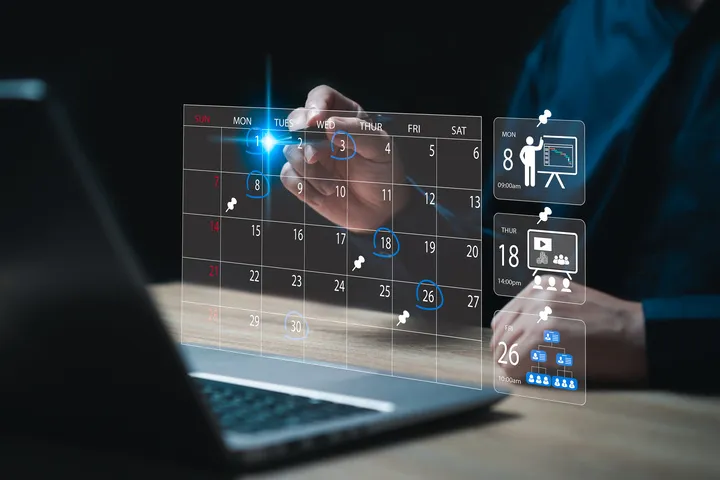
Digital scheduling tools make it easier to organize timelines and identify potential conflicts. Planners can create detailed schedules and share them with team members so everyone understands what needs to happen and when.
A well-organized digital schedule can also help reduce last-minute confusion. Team members know where they need to be, while organizers can quickly identify areas that require additional attention.
Improving Vendor Coordination
Events often depend on several external suppliers, including caterers, decorators, photographers, entertainment providers, and technical teams. Managing all these relationships manually can become difficult.
Digital tools can help organizers keep vendor information, contracts, contact details, deadlines, and requirements organized. Having these details readily available can make communication more efficient and reduce the possibility of overlooking an important commitment.
This becomes even more valuable for larger events where multiple vendors may be working at the same time.
Using Data to Make Better Decisions
Another benefit of digital event planning is access to useful information and data. Organizers can review registration numbers, attendance rates, ticket sales, feedback, and other performance indicators.
These insights can help planners understand what worked well and what could be improved. For example, if registration numbers show that attendees prefer a particular type of session, organizers can use that information when planning future events.
Rather than relying entirely on assumptions, planners can use real data to support their decisions.
Reducing Repetitive Manual Work
Event planning involves many repetitive tasks. Sending confirmations, updating lists, organizing information, and preparing routine communications can consume a significant amount of time.
Automation can reduce some of this workload. Digital tools can handle routine processes such as registration confirmations, reminders, notifications, and follow-up messages.
This allows event professionals to spend more time on areas where human creativity and decision-making matter most.
Creating a Better Experience for Attendees
Ultimately, technology should not only make life easier for organizers. It should also improve the attendee experience.
Clear digital communication, simple registration processes, timely reminders, easy access to schedules, and quick updates can make attendees feel more informed and comfortable throughout an event.
When administrative processes work smoothly behind the scenes, organizers can focus more on creating an enjoyable and memorable experience for their guests.
Bringing Everything Together
Digital tools have become an important part of modern event planning because they help organizers manage information, communication, schedules, guests, vendors, and routine tasks more efficiently. The goal is not to make events overly dependent on technology but to use the right tools to remove unnecessary complexity.
As events continue to become more sophisticated, having reliable digital solutions can give planners a practical advantage. Business software can help teams organize their operations, improve collaboration, and make better use of their time, allowing them to focus on what truly matters: delivering successful events that people remember for the right reasons.