

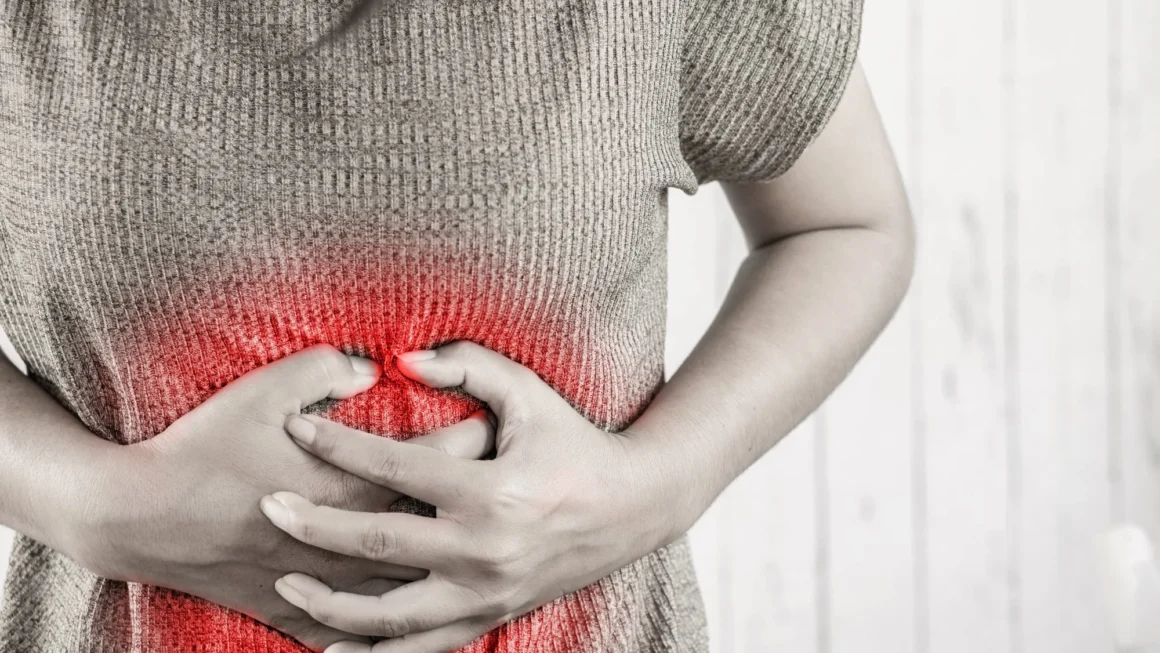
Digestive discomfort is a common problem that can affect people at different stages of life. A heavy feeling after meals, bloating, abdominal cramps, gas, and indigestion may occur occasionally because of eating habits, stress, certain foods, or other factors. While mild symptoms may resolve on their own, recurring or severe digestive problems should be assessed by a healthcare professional.
Different digestive symptoms may require different approaches. Depending on the cause, management can include dietary changes, healthier daily habits, and medicines designed for specific symptoms. Understanding these options can help people make more informed decisions about digestive health.
Common Types of Digestive Discomfort
Digestive discomfort can appear in several forms. Some people experience bloating and fullness after meals, while others may notice cramping, gas, or changes in bowel habits.
Common digestive complaints include:
- Abdominal discomfort or cramping
- Bloating and excessive fullness
- Gas
- Indigestion
- Nausea
- Changes in bowel movements
- Discomfort after heavy meals
- A feeling of pressure in the abdomen
The cause of these symptoms can vary significantly. Eating too quickly, consuming very large meals, dietary changes, stress, and certain food sensitivities can all contribute to temporary digestive discomfort.
However, persistent symptoms may have another underlying cause and should not simply be treated repeatedly without professional assessment.
What Are Digestive Spasms?
Digestive spasms occur when smooth muscles in parts of the gastrointestinal system contract involuntarily. These contractions may sometimes be experienced as cramping or abdominal pain.
Smooth muscle is naturally involved in the movement of food through the digestive tract. However, excessive or uncomfortable contractions can produce unpleasant symptoms.
When abdominal cramping is related to smooth muscle spasms, healthcare professionals may consider medicines known as antispasmodics. These medicines are designed to act on smooth muscle and can be used for specific types of spasmodic discomfort.
No-Spa and Smooth Muscle Spasms
No-Spa is a medicine containing drotaverine and is associated with the relief of smooth muscle spasms. It is used for certain spasmodic conditions involving areas such as the gastrointestinal system.
By helping relax smooth muscle, an antispasmodic such as No-Spa may help reduce discomfort associated with spasms when its use is appropriate.
It is important to understand that relieving a spasm does not necessarily treat the underlying cause of abdominal pain. Persistent, severe, or unexplained abdominal symptoms require appropriate medical evaluation rather than repeated self-treatment.
People should follow the dosage and safety instructions provided with the product and seek professional advice when unsure whether an antispasmodic is appropriate for their symptoms.
The Role of Digestive Enzyme Support
Digestive enzymes are naturally produced by the body and help break down nutrients from food. Different enzymes participate in the digestion of carbohydrates, proteins, and fats.
Some digestive preparations contain enzymes that can provide additional digestive support in situations where such supplementation is considered appropriate.
These products should not be viewed as a universal solution for indigestion. Digestive symptoms can have many causes, and treatment should depend on the individual’s circumstances.
Festal and Digestive Support
Festal is a gastrointestinal medicine associated with digestive enzyme support. Products in this category may be used when additional digestive enzyme support is considered appropriate.
When using an enzyme preparation, it is important to follow the specific product instructions. Factors such as existing health conditions, other medicines, dietary habits, and the nature of digestive symptoms can all influence whether a particular product is suitable.
If discomfort repeatedly occurs after meals, it may be useful to consider the overall dietary pattern rather than relying only on medicine. A healthcare professional can help determine whether symptoms are related to diet, digestion, or another condition.
Lifestyle Measures That May Support Digestion
Medicines are only one part of maintaining digestive health. Everyday habits can also influence how comfortable and efficiently the digestive system functions.
Some practical habits include:
- Eat smaller portions: Very large meals can increase feelings of fullness and discomfort.
- Eat slowly: Taking time to chew food thoroughly may support the normal digestive process.
- Maintain a balanced diet: A varied diet can provide important nutrients and support general health.
- Stay hydrated: Adequate fluid intake supports normal body functions.
- Stay physically active: Regular movement can contribute to overall digestive and physical well-being.
- Identify food triggers: If particular foods repeatedly cause symptoms, keeping track of them may help identify patterns.
- Maintain regular meal habits: Consistent eating patterns may help some people avoid digestive discomfort associated with irregular meals.
When Should Digestive Symptoms Be Evaluated?
Occasional indigestion or mild abdominal discomfort may not require extensive treatment. However, symptoms that persist, become increasingly severe, or repeatedly return should be evaluated.
Medical attention is particularly important when digestive symptoms are accompanied by severe abdominal pain, persistent vomiting, blood in the stool, unexplained weight loss, difficulty swallowing, or major changes in bowel habits.
These symptoms can have causes that require specific diagnosis and treatment. Simply taking an over-the-counter or commonly used medicine may delay appropriate care if an underlying condition is present.
Choosing the Right Treatment Approach
The appropriate treatment for digestive discomfort depends on what is causing the symptoms. An antispasmodic such as No-Spa may have a role when smooth muscle spasms are responsible for discomfort, while a digestive enzyme preparation such as Festal may be considered when digestive enzyme support is appropriate.
These products have different purposes and should not be treated as interchangeable medicines.
Responsible medicine use involves reading the product information, following recommended instructions, and seeking professional guidance when symptoms are persistent or unusual. People who take several medicines or have existing medical conditions should also discuss appropriate treatment options with a healthcare professional.
Supporting Long-Term Digestive Health
Good digestive health depends on more than treating occasional symptoms. A balanced diet, regular physical activity, adequate hydration, healthy meal patterns, and stress management can all contribute to overall well-being.
Understanding the difference between digestive spasms and other types of digestive discomfort can also help people approach treatment more responsibly. Products such as No-Spa and Festal may have specific roles, but they should be used according to their intended purpose and relevant medical guidance.
The most effective approach is to pay attention to recurring symptoms, make sensible lifestyle changes, and seek professional advice whenever symptoms are severe, persistent, or unexplained.
Medical Disclaimer: This article is intended for general informational purposes only and does not replace professional medical advice, diagnosis, or treatment. Always read the relevant product information before using any medicine and consult a qualified healthcare professional when symptoms are persistent, severe, or unusual.