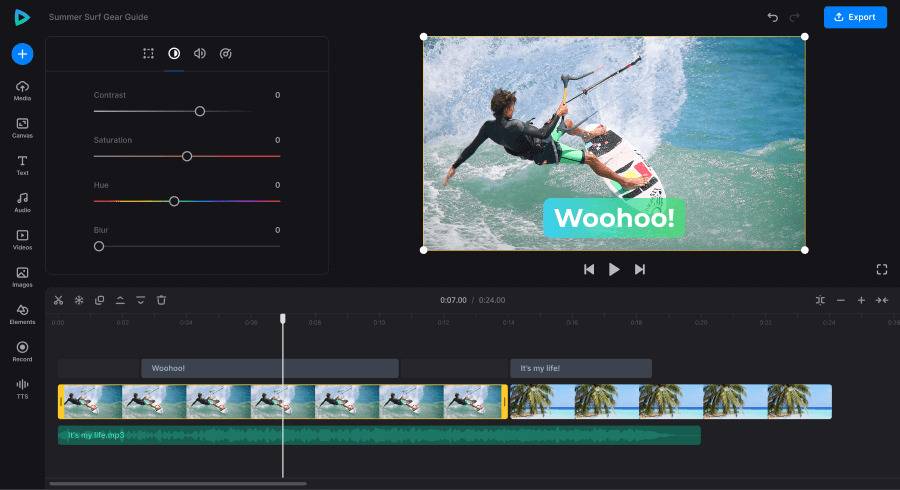


Imagine discovering a new product through a short visual story that shows how it fits into everyday life. Instead of reading a long description or scrolling through a collection of photographs, viewers can watch a product become part of a setting, follow its features in action, and understand its purpose within seconds. An AI video generator makes this approach more accessible by helping creators transform imaginative concepts into video content without relying entirely on traditional filming equipment. For small businesses, independent creators, and emerging brands, Dreamina offers an opportunity to experiment with visual storytelling and develop engaging concepts for digital audiences.
Why Product Experiences Matter More Than Ever
Online shoppers cannot physically touch, examine, or test products before placing an order. They depend on photographs, descriptions, demonstrations, and customer feedback to decide whether something meets their expectations. While high-quality product photography remains important, video can communicate additional information through movement, context, and visual progression.
Consider a company selling decorative lighting. A standard product photograph may show the shape and color of a lamp, but a short video concept could illustrate how its warm glow changes the atmosphere of a reading corner. Similarly, a business selling travel accessories might use a visual sequence to demonstrate how its products fit into a weekend journey.
These experiences help audiences imagine practical applications rather than simply observe an object against a plain background. When the visuals remain relevant to the product, they can make marketing messages easier to understand and remember.
Making Creative Advertising More Accessible
Traditional commercial production can involve location scouting, lighting equipment, actors, camera operators, and post-production editing. These resources can be difficult to afford when a business is testing a new product or operating with a limited marketing budget.
AI-assisted video creation provides another way to explore visual ideas. Rather than organizing a complete shoot for every concept, marketers can experiment with generated scenes and assess which direction best communicates their message.
For example, a small skincare business might want to explore several advertising concepts before investing in a professional campaign. One concept could focus on a peaceful morning routine, another on a minimalist bathroom environment, and a third on the convenience of a travel-sized product.
These experiments can help the business compare creative directions and prepare a clearer brief for later production. They are especially useful during brainstorming, although final advertisements should still be reviewed for accurate product representation and realistic claims.
Five Ways to Create More Engaging Product Videos
1. Demonstrate a Product Within a Realistic Setting
People often understand a product more easily when they can imagine using it. A piece of furniture looks different in an empty showroom than it does in a comfortable living room. Likewise, a backpack becomes more relatable when shown as part of a hiking or commuting scenario.
Creators can develop video concepts around these everyday situations. The objective is not simply to make an object look attractive but to establish a connection between its features and the audience’s needs.
For commercial use, generated scenes should accurately reflect the actual product. If a video changes its dimensions, color, texture, or functionality, viewers may develop expectations that the real item cannot satisfy.
2. Turn Product Features Into Visual Stories
A list of specifications can provide useful information, but it does not always communicate why those details matter. Visual storytelling can connect individual features with practical benefits.
Imagine promoting a reusable water bottle. Instead of displaying its capacity and material in separate text boxes, a short creative sequence could follow someone carrying it during a morning commute, using it at work, and packing it for an afternoon walk.
The narrative provides context while the product remains central to the message. Even a simple three-scene structure can make an advertisement feel more cohesive.
3. Experiment With Different Seasonal Themes
Marketing opportunities frequently change throughout the year. Businesses may prepare campaigns for summer travel, winter shopping, holiday gifts, or the beginning of a new school term.
Developing new visual concepts for every occasion can require considerable planning. AI-generated scenes can help teams explore different environments, lighting styles, and moods before deciding which ideas deserve further investment.
A home decor store, for instance, could compare a bright spring-inspired interior with a cozy autumn setting. The selected concept could then guide a more detailed campaign using actual product photography and verified product details.
4. Create Visual Content for Different Platforms
A video designed for a website homepage may serve a different purpose from a short social media advertisement. Website visitors might want a closer look at product benefits, while social media audiences may respond better to a distinctive opening scene.
Planning content around its destination can improve the overall viewing experience. Creators should consider aspect ratios, duration, text placement, and how quickly the central message becomes apparent.
Generating a visual concept is only one part of this process. Editing, captions, suitable sound, and platform-specific formatting help prepare the material for its intended audience.
5. Use Visuals to Explain Complex Ideas
Some products require more explanation than others. Technology accessories, specialized equipment, and innovative household devices may have features that are difficult to communicate through a single image.
Conceptual video scenes can help introduce these products and establish a visual framework for explaining their functions. A company developing a smart home device, for example, might create a conceptual sequence showing how connected technology could support an ordinary daily routine.
Any simulated demonstration should be clearly distinguished from actual product performance. Accurate explanations remain essential, especially when customers rely on videos to make purchasing decisions.
Building Trust Through Honest Visual Communication
Attractive visuals can capture attention, but trust determines whether audiences take a marketing message seriously. Businesses should ensure that their videos do not exaggerate product capabilities or suggest benefits that have not been established.
This is particularly important when generated scenes depict people using a product. A fictional setting may be suitable for creative advertising, but a simulated demonstration should not be presented as genuine customer evidence.
Companies should also check image and video usage rights, avoid unauthorized representations of recognizable individuals, and review any platform-specific requirements before publication.
Transparency does not prevent creativity. Instead, it gives businesses room to experiment while maintaining a clear distinction between imaginative storytelling and factual product information.
Measuring Whether a Video Is Effective
A visually impressive advertisement is not necessarily a successful one. Businesses need to understand whether their content helps achieve its intended objective.
For awareness campaigns, useful indicators may include video views, watch time, and audience retention. Product-focused campaigns may benefit from tracking click-through rates, product-page visits, add-to-cart activity, and completed purchases.
Comparing different creative approaches can reveal useful patterns. For example, a video that introduces a practical problem before presenting a solution may hold viewers’ attention longer than one that begins with a product close-up.
However, results depend on several factors, including audience targeting, distribution, pricing, and the quality of the offer. Video performance should therefore be evaluated alongside the wider marketing strategy rather than in isolation.
The Future of Creative Product Marketing
Digital advertising is moving toward experiences that combine visual appeal with useful information. Businesses no longer need to rely exclusively on static promotional materials when exploring ways to introduce their products to potential customers.
AI-assisted video creation can support brainstorming, concept development, and the production of imaginative visual scenes. Its greatest value comes from helping creators test ideas and communicate product benefits more effectively, not from replacing thoughtful marketing decisions.
Businesses that combine creative experimentation with accurate information, careful editing, and meaningful performance measurement can develop a more flexible approach to digital communication. As audience expectations continue to evolve, the ability to present products through clear and engaging visual stories will remain an important part of successful marketing.
Frequently Asked Questions
1. What is an AI video generator used for in product marketing?
It can help create video concepts, promotional scenes, visual demonstrations, and social media content. Its usefulness depends on the tool’s capabilities and the requirements of the campaign.
2. Can small businesses use AI-generated videos for advertising?
Yes. Small businesses can use them to explore campaign ideas, create supporting visuals, and test different creative directions. They should verify commercial usage rights and ensure that advertisements accurately represent their products.
3. Are AI-generated product demonstrations always accurate?
No. Generated scenes may contain visual inconsistencies or depict features that a real product does not have. Businesses should verify product details and avoid presenting simulated functionality as a genuine demonstration.
4. How long should a promotional video be?
There is no universal ideal length. Short social media advertisements often benefit from concise messaging, while product explanations may need additional time. The appropriate duration depends on the platform, audience, and purpose.
5. Can generated videos improve customer engagement?
They may help attract attention and communicate ideas effectively, but engagement depends on content relevance, creative quality, audience preferences, and distribution. Results should be measured rather than assumed.
6. Should businesses replace product photography with AI video?
Not necessarily. Product photography remains valuable for showing precise details, while video can demonstrate movement, context, and usage scenarios. Combining both formats often provides a more complete presentation.
7. What should businesses consider before publishing AI-generated advertising?
They should review visual accuracy, product claims, licensing terms, privacy considerations, platform policies, and the overall clarity of the message. Human review remains important before publication.