

What Does “en slovakia” Mean?
The phrase en slovakia can appear in different online searches, travel queries, and informational contexts. In many cases, people use it when looking for information about Slovakia in English, especially when they want practical details about the country, its destinations, culture, language, or lifestyle. While the phrase itself is short, it can lead to a much broader exploration of what makes Slovakia interesting.
Slovakia is a Central European country known for dramatic mountain landscapes, historic towns, medieval castles, thermal springs, and a culture shaped by centuries of European history. It is bordered by Austria, the Czech Republic, Poland, Ukraine, and Hungary, giving it a geographically convenient position for travelers exploring the region. Bratislava, the capital, is particularly distinctive because it sits close to both Austria and Hungary.
For someone searching en slovakia, the most useful approach is to look beyond a simple country description. Slovakia has a surprisingly varied character. You can spend a morning walking through a historic city center, travel into the High Tatras in the afternoon, and enjoy traditional Slovak food in a mountain village later in the day. That combination of accessibility and variety is one of the country’s biggest strengths.
Slovakia at a Glance
Slovakia became an independent state in 1993 following the peaceful dissolution of Czechoslovakia. Today, it is a member of the European Union and uses the euro as its currency. Slovak is the official language, although English is commonly encountered in tourist areas, especially among younger people and professionals.
The country has a population of roughly 5.4 million people, making it relatively small compared with many European nations. Its compact size is actually an advantage for visitors. Major destinations are generally reachable without spending entire days on the road, allowing travelers to combine several regions within one trip.
Geography plays an important role in Slovak identity. The Carpathian mountain system crosses much of the country, while the Danube influences the landscape around Bratislava and southern Slovakia. Forests, valleys, caves, rivers, and rolling agricultural areas create a landscape that feels considerably more diverse than the country’s size might suggest.
Bratislava: The Natural Starting Point
Bratislava is usually the easiest introduction to en slovakia because it is the country’s political, cultural, and economic center. Its historic core is compact and walkable, with narrow streets, cafés, restaurants, museums, churches, and attractive squares. Bratislava Castle provides one of the city’s best-known landmarks and offers views across the surrounding area.
One unusual advantage of Bratislava is its location. Vienna is only a relatively short distance away, making it possible to combine the two capitals during the same European journey. Budapest is also accessible, which gives travelers several options for building a broader Central European itinerary.
Bratislava is not simply a place to check off a sightseeing list, however. The city has a relaxed café culture, contemporary restaurants, cultural venues, and residential neighborhoods that reveal a more modern side of Slovakia. Spending at least a couple of days here gives visitors time to experience both the historic center and everyday urban life.
The High Tatras and Slovakia’s Natural Beauty
For many travelers, the mountains are the highlight of en slovakia. The High Tatras offer some of the country’s most spectacular scenery, with rocky peaks, alpine lakes, hiking routes, forests, and mountain resorts. Štrbské Pleso and Tatranská Lomnica are among the best-known bases for exploring this region.
During warmer months, hiking becomes one of the main attractions. Routes range from relatively comfortable walks to demanding mountain excursions requiring good fitness and appropriate equipment. Weather can change quickly at higher elevations, so experienced visitors treat mountain safety seriously rather than assuming a short-looking route will always be easy.
Winter creates a completely different atmosphere. Snow transforms the High Tatras into a destination for skiing, snowboarding, winter walking, and mountain relaxation. Even travelers who are not interested in outdoor sports can enjoy the scenery, wellness facilities, and cozy mountain accommodation.
Slovak Castles, Towns, and Historic Places
Slovakia has an impressive collection of castles and historic settlements. Spiš Castle is one of the country’s most famous landmarks, while Bojnice Castle has a distinctly romantic appearance that makes it particularly popular with visitors. These sites demonstrate how important fortified architecture was to the region’s history.
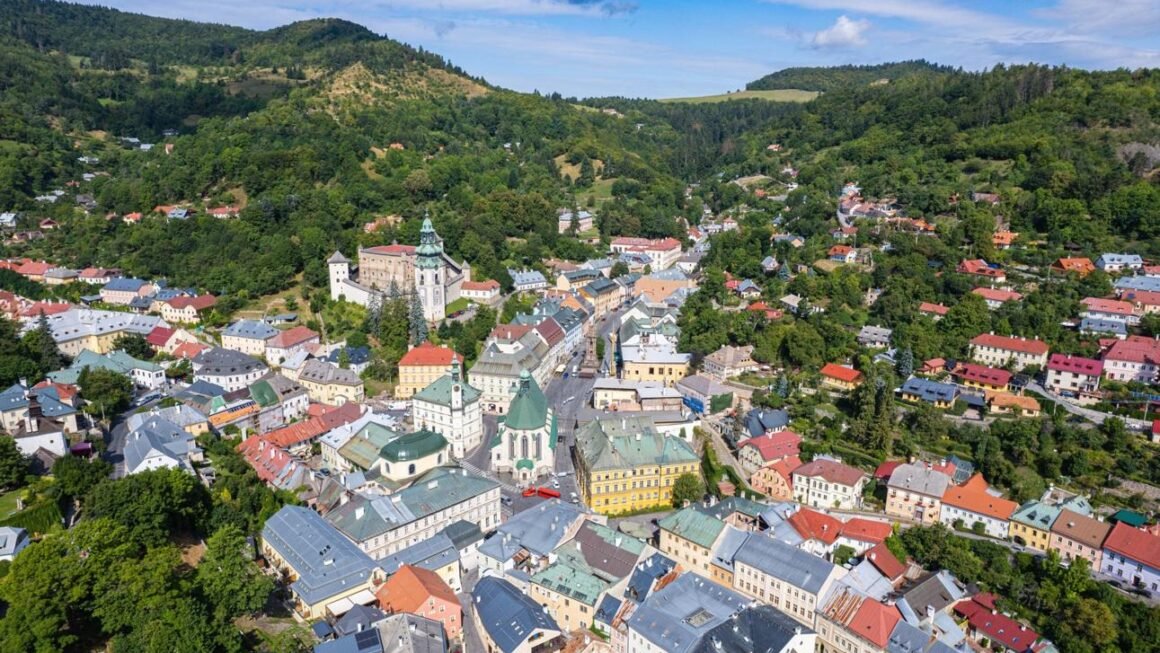
Banská Štiavnica is another standout destination. Its historic character is closely connected with centuries of mining, and the surrounding landscape adds to its appeal. Walking through its streets gives travelers a sense of how economic activity, architecture, religion, and geography interacted over generations.
Smaller towns can sometimes be more rewarding than famous landmarks because they encourage slower exploration. Visitors can stop at a local café, examine traditional architecture, visit a church or museum, and simply observe daily life. This slower pace is an excellent way to understand Slovakia beyond the standard tourist route.
Slovak Food and Traditional Flavors
Food is an important part of understanding en slovakia. Traditional Slovak cuisine tends to be hearty and practical, with strong connections to the country’s agricultural and mountain traditions. Potatoes, cabbage, dairy products, meat, flour, and seasonal ingredients feature prominently in many classic dishes.
Bryndzové halušky is perhaps the best-known Slovak specialty. It combines potato dumplings with bryndza, a distinctive sheep’s-milk cheese, and is traditionally associated with Slovak culinary identity. Kapustnica, a cabbage-based soup, is another familiar dish, particularly around the Christmas season.
Visitors should also explore local bakeries, cafés, and regional restaurants rather than limiting themselves to internationally familiar food. Slovak cuisine varies from place to place, and contemporary chefs increasingly combine traditional ingredients with modern presentation. That makes the country’s food scene interesting for both first-time visitors and experienced travelers.
Language and Everyday Communication
Slovak is a West Slavic language and is closely related to Czech, Polish, and other Slavic languages. Although visitors may hear familiar words if they already know another Slavic language, Slovak has its own vocabulary, pronunciation, and grammatical characteristics.
English is increasingly useful, particularly in Bratislava, hotels, restaurants, transportation hubs, and popular tourist destinations. Still, learning a few Slovak expressions can make interactions more pleasant. Simple words such as “ďakujem” for thank you and “prosím” for please or you’re welcome are easy additions to a travel vocabulary.
Language is also a window into culture. Even when communication takes place in English, understanding that Slovak is central to national identity helps visitors appreciate the country’s history and regional differences. In some areas, Hungarian and other minority languages are also encountered, reflecting Slovakia’s multicultural past and present.
When Is the Best Time to Visit Slovakia?
The best time for en slovakia travel depends heavily on what you want to do. Late spring and summer are excellent for hiking, sightseeing, cycling, and enjoying outdoor attractions. Longer days make it easier to combine multiple activities without feeling rushed.
Autumn is particularly attractive for travelers who enjoy forests and quieter destinations. Changing foliage can make mountain and countryside landscapes especially beautiful, while cooler temperatures are comfortable for walking through historic towns. It can also be a good period for travelers who prefer avoiding the busiest summer atmosphere.
Winter is ideal for visitors interested in snow, skiing, Christmas markets, and mountain resorts. Bratislava and other cities also develop a festive atmosphere during the holiday season. Because conditions vary considerably between lowland cities and mountain regions, travelers should plan clothing and activities according to their specific destination.
Getting Around Slovakia
Slovakia’s relatively compact geography makes independent travel practical. Trains connect many important cities and towns, while buses serve numerous smaller communities. Bratislava has particularly strong connections with neighboring countries, making it a convenient arrival point for international travelers.
Driving can be useful when exploring rural areas, castles, mountain villages, or locations where public transportation is less frequent. It gives visitors more flexibility, although mountain roads and winter conditions require extra care.
Public transportation is often enough for a city-focused or classic sightseeing trip. For a broader itinerary involving remote nature destinations, however, combining trains with buses or renting a car may provide a more efficient experience. The best choice depends on whether your priority is convenience, flexibility, or minimizing travel costs.
Why Slovakia Deserves More Attention
One reason en slovakia is an interesting search is that Slovakia often receives less international attention than some of its better-known neighbors. That can work in a visitor’s favor. Travelers may find historic places, mountain trails, and local restaurants without the same level of international crowds found in Europe’s most famous destinations.
The country also offers a useful balance between nature and culture. A trip does not have to focus entirely on museums or entirely on outdoor adventures. You can combine Bratislava’s urban atmosphere with mountain hiking, historic castles, thermal experiences, and regional food.
Slovakia is also a good example of why Central Europe should not be treated as one interchangeable destination. Its traditions, landscapes, architecture, and language have developed through a distinct historical experience. Taking the time to explore those differences makes a trip considerably more rewarding.
Planning a Memorable Slovakia Experience
A successful en slovakia itinerary does not need to be complicated. First-time visitors might begin in Bratislava, continue toward central Slovakia, and then head north toward the High Tatras. This creates a natural progression from urban history to countryside and mountain scenery.
It is also worth leaving room for spontaneous discoveries. A small town, local restaurant, traditional festival, hiking viewpoint, or historic building can become one of the most memorable parts of a journey. Slovakia rewards travelers who are willing to slow down rather than rushing from one famous attraction to another.
Ultimately, en slovakia can be understood as an invitation to explore a country that combines Central European history with impressive natural landscapes and a distinct cultural personality. Whether your interests involve cities, castles, hiking, food, architecture, or simply experiencing somewhere less predictable, Slovakia has plenty to offer. Its manageable size makes exploration relatively straightforward, while its regional diversity ensures that there is always another destination worth discovering.
You May Also Raed: Englishtistic