

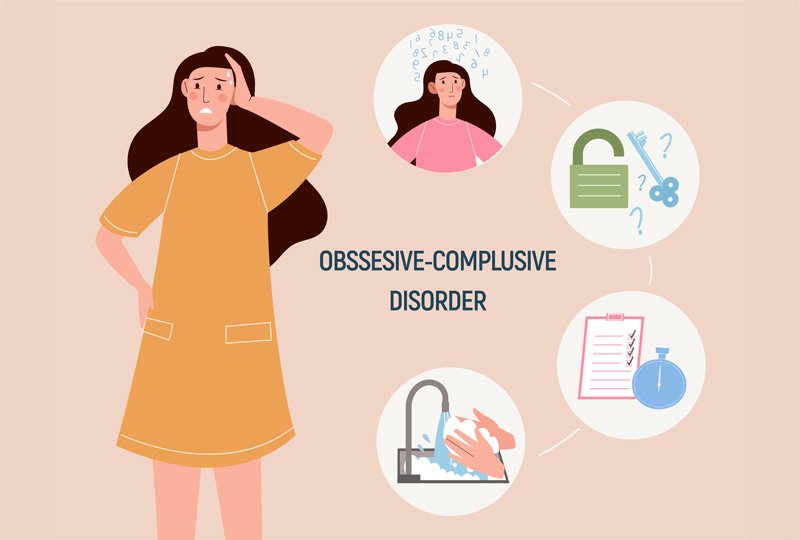
Mental health awareness has grown significantly over the last decade, and one condition that has received increasing attention is Obsessive-Compulsive Disorder (OCD). OCD affects millions of people globally, disrupting daily routines and causing intense anxiety. It’s not merely about being neat or organized — it’s a serious condition that requires understanding, compassion, and often professional support.
With the right treatment and therapy, people with OCD can lead balanced, fulfilling lives. That’s where multidisciplinary and holistic approaches, like those offered by Level Up Wellness Group, make a real difference.
This article explores what OCD is, how it impacts individuals, and how different therapeutic techniques can help manage it effectively.
1. Understanding Obsessive-Compulsive Disorder (OCD)
Obsessive-Compulsive Disorder is a mental health condition characterized by two main components:
- Obsessions: Unwanted, intrusive thoughts, fears, or mental images that cause anxiety.
- Compulsions: Repetitive behaviors or mental acts performed to reduce the distress caused by those obsessions.
For example, a person might have an obsession about germs and a compulsion to wash their hands repeatedly, even when it’s unnecessary. Others may have fears about safety, leading them to check locks or appliances multiple times before feeling secure.
OCD is not simply a personality quirk — it’s a chronic disorder that can interfere with work, relationships, and daily functioning. Early recognition and therapy can dramatically improve quality of life.
2. Common Symptoms of OCD
While symptoms vary from person to person, most people with OCD experience a combination of obsessive thoughts and compulsive behaviors. Some common examples include:
- Contamination fears: Obsessive worry about germs, leading to excessive cleaning.
- Checking behaviors: Repeatedly verifying doors, stoves, or electrical outlets.
- Symmetry and order: Feeling compelled to arrange things in a particular order or pattern.
- Intrusive thoughts: Disturbing, unwanted ideas or images that cause distress.
- Counting or repeating actions: Repeating words, numbers, or routines to reduce anxiety.
Recognizing these symptoms is the first step toward seeking help. OCD rarely improves on its own — professional therapy is often necessary to manage and reduce symptoms effectively.
3. The Role of Therapy in Managing OCD
Therapy is the most effective, evidence-based way to treat OCD. While medication can help manage chemical imbalances in the brain, psychotherapy addresses the underlying causes and teaches coping strategies.
Cognitive Behavioral Therapy (CBT) and Exposure and Response Prevention (ERP) are considered the gold standards in OCD treatment.
Let’s explore how they work:
A. Cognitive Behavioral Therapy (CBT)
CBT helps individuals identify and change negative thought patterns that lead to obsessive behavior. Through guided sessions, clients learn to challenge irrational fears, understand their triggers, and replace anxiety-driven thoughts with realistic, positive ones.
For example:
Someone who fears contamination might learn that touching certain objects does not lead to immediate harm. Over time, their anxiety decreases, and compulsive behaviors lessen.
CBT empowers individuals to take control of their mental processes, making it one of the most effective tools for long-term management.
B. Exposure and Response Prevention (ERP)
ERP is a specialized form of CBT that directly targets compulsions. The idea is simple but powerful: face your fears gradually and avoid performing the compulsive.