

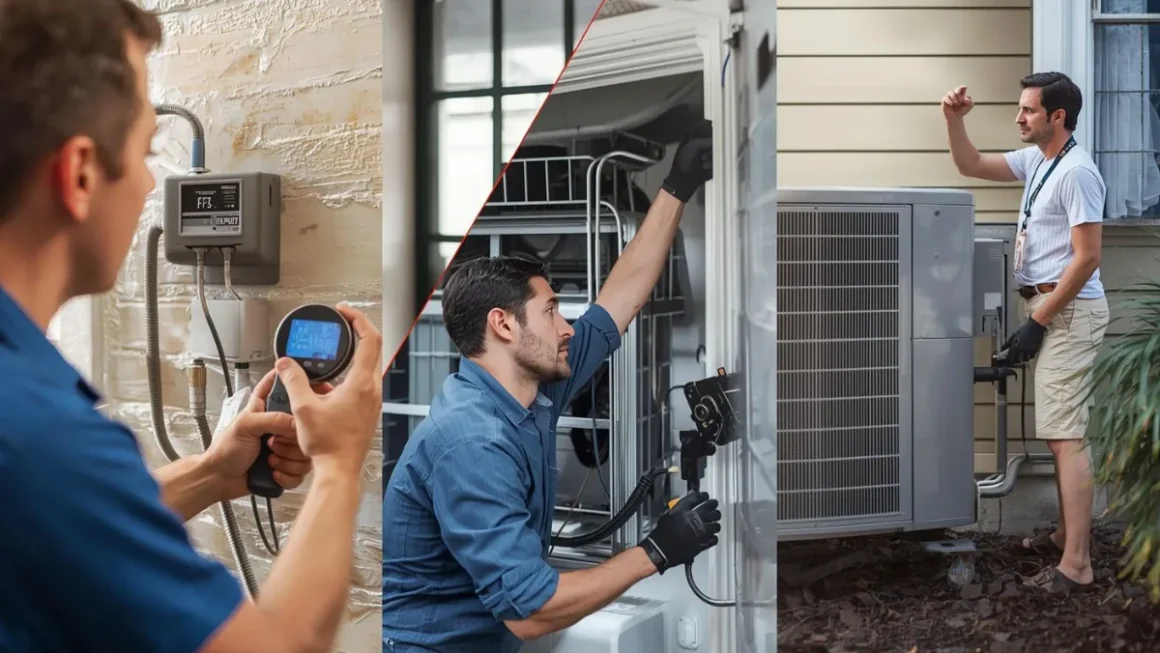
The first hot spell can expose weaknesses in an air conditioner. The thermostat may say it’s cooling, but the supply vents feel tepid. Perhaps the outdoor condenser runs for long stretches without catching up, or you notice water near the indoor unit. Some homeowners also catch a musty odor linked to bacterial growth in the drain pan after the AC starts cycling more. Recognizing early warning signs and doing a few safe checks can prevent a minor airflow or drainage issue from turning into a damaged compressor or water leak. Just as important, knowing when to stop and call a pro protects your system and your warranty.
- Early Signs Your AC Is Slipping Under Summer Load
Watch for short cycling, where the system starts and stops every few minutes, often caused by a failing capacitor or restricted return airflow. Feel for weak supply airflow compared to the return, which can point to a clogged filter, a dirty evaporator coil, or a slipping blower motor. Ice on the suction line at the air handler, water under the condensate trap, and a sour smell from bacterial growth in the drain line are red flags. If these symptoms appear during peak heat, schedule an evaluation with a trusted Glenpool Air conditioning repair service before a hard shutdown strands you in the heat.
Unusual noises offer more clues. A persistent buzzing outdoors can indicate a stuck contactor keeping the condenser energized, while clicking without a start often traces back to a weak start capacitor. Indoors, whistling at supply registers may signal excessive static pressure from closed dampers or a high MERV filter in a system not sized for that resistance. Sticky indoor air despite long runtimes suggests the evaporator coil is not removing enough latent heat, which can be tied to low refrigerant charge, a malfunctioning expansion device, or inadequate airflow across the coil.
- Ten Minute Checks You Can Do Safely
Start with airflow. Replace a dirty filter and verify the correct size and MERV rating; many systems tolerate MERV 8 to 11 better than dense media that raises static pressure. Open closed supply registers and clear furniture from the return grille. At the outdoor condenser, shut off power at the disconnect and gently rinse debris from the coil fins with low-pressure water. Avoid bending fins and never spray into the fan motor hub. Confirm the thermostat is set to Cool with the fan on Auto, and swap thermostat batteries if the display is dim or slow to respond.
Next, focus on drainage and freeze-ups. If the suction line is iced, turn the system off to fully thaw it before any test run. A frozen coil can overflow the drain pan once it melts. When accessible, clear algae from the condensate trap and line; a small dose of distilled vinegar helps discourage bacterial growth. Make a quick comfort check: hold your hand at the return, then at a nearby supply register after 5 to 10 minutes of cooling. If there is little difference in temperature or airflow, restricted airflow or a refrigeration problem may be developing.
- Issues to Leave to a Licensed Technician
Refrigerant diagnostics require gauges and training. Adjusting charge by superheat and subcool targets depends on indoor load and outdoor ambient, and guesswork risks flooding the compressor with liquid or running it overheated. Electrical components are similarly critical. Testing and replacing run or start capacitors, contactors, and hard start kits involves live circuits and carries shock risk. Beyond that, problems like a failing ECM blower motor, a stuck thermal expansion valve, or high static pressure caused by undersized ductwork are best handled with proper tools and airflow measurements.
Common DIY missteps have costly consequences. Topping off refrigerant without fixing a leak can allow moisture into the circuit, leading to acid formation and future compressor failure. Overcharging raises head pressure and can cause the condenser fan to run constantly or trip the breaker. Aggressive coil cleaners or high-pressure washing can flatten condenser fins, reducing heat transfer for seasons to come. Even closing too many supply registers to “push air” to one room often raises static pressure, cools the evaporator below freezing, and sets off a cycle of ice and water overflows.
- Why Heat, Humidity, and Home Design Stress AC Systems
High outdoor temperatures raise the condensing temperature, forcing the compressor to work harder to reject heat through the condenser coil. When attic spaces reach extreme temperatures, long duct runs routed above the ceiling can pick up heat, raising supply air temperature before it reaches rooms. Humid air increases latent load, keeping the evaporator coil wet longer and demanding more runtime to wring out moisture. Cottonwood fluff and storm debris can mat onto condenser fins each late spring, quietly strangling airflow. Warm, damp condensate lines become perfect habitats for bacterial growth, which forms biofilm that narrows drains and trips float switches.
There are real trade-offs to manage. Higher MERV filters capture finer particles but can spike external static pressure if the return is undersized, reducing blower airflow and causing the coil to run too cold. Likewise, closing supply registers to “save cooling” often starves the coil of air, while leaving windows cracked on cooler evenings can pull in humidity that the system must later remove. A balanced approach pairs a clean, appropriately rated filter and open registers with clear condenser airflow and a free-flowing condensate drain.
Information to Capture Before You Schedule Service
Good notes speed diagnosis. Photograph the outdoor unit’s nameplate and the indoor air handler or furnace label so a technician can match model numbers and bring likely parts such as the right capacitor or contactor. Record your filter size and when you last changed it. Note thermostat brand, settings, and any recent error codes. Take pictures of ice on lines, any water at the air handler, and the condensate safety switch if it tripped. Record the sounds you hear in a short phone recording and note the time of day symptoms appear. These details help pinpoint whether the issue leans toward airflow, refrigeration, electrical, or drainage before anyone steps inside.
Catching problems early, doing simple checks, and drawing a clear line at tasks that require gauges or live circuit work protect both the equipment and your home. Small corrections like replacing a starved filter, rinsing a clogged condenser coil with the power off, and clearing a slow condensate line can restore performance or at least prevent worsening damage until a technician arrives. When a deeper issue remains, the observations you gather will shorten troubleshooting and help ensure the right fix, reducing repeat visits, safeguarding the compressor, and limiting water damage or bacterial growth in the drain system.
<iframe src=”https://www.google.com/maps/embed?pb=!1m18!1m12!1m3!1d3230.0754415579295!2d-96.0066849!3d35.94512439999999!2m3!1f0!2f0!3f0!3m2!1i1024!2i768!4f13.1!3m3!1m2!1s0x87b69747c486f6cd%3A0x307365a2fa3fb4df!2sQuality%20Heating%2C%20Cooling%2C%20Plumbing%20%26%20Electric!5e0!3m2!1sen!2s!4v1753547370907!5m2!1sen!2s” width=”600″ height=”450″ style=”border:0;” allowfullscreen=”” loading=”lazy” referrerpolicy=”no-referrer-when-downgrade”></iframe>