

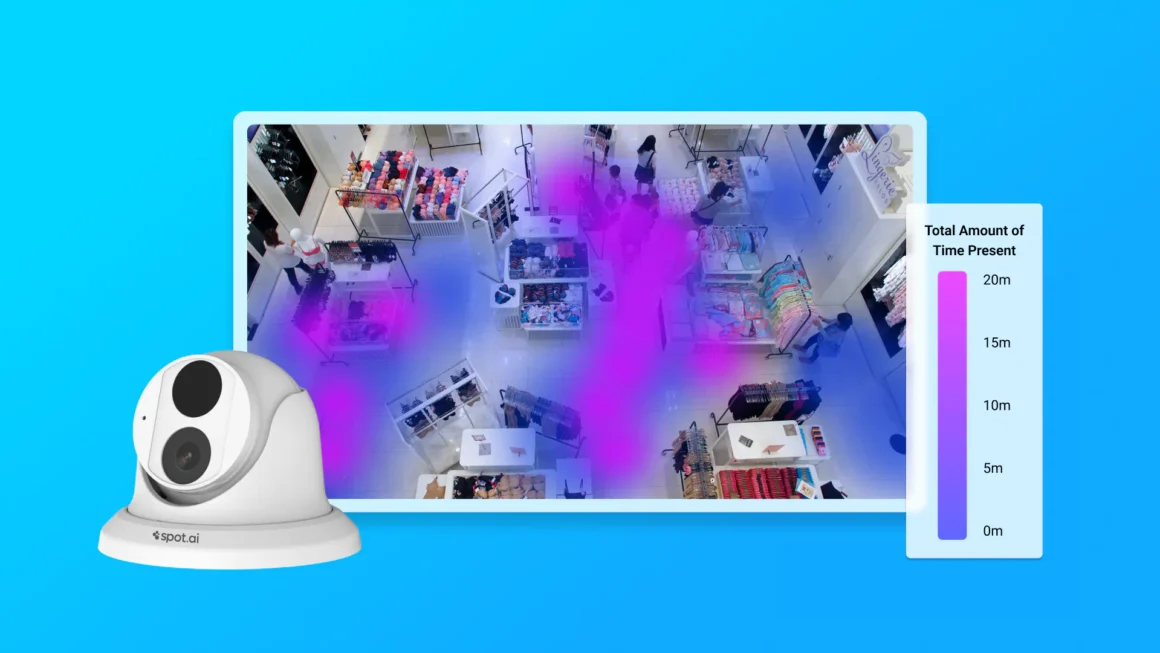
Retailers today have access to more data than ever before. From customer footfall and sales performance to movement patterns and store operations, every interaction can provide valuable information. The challenge is knowing which technology can turn that information into useful business decisions.
Two solutions are becoming increasingly important: retail analytics software and retail video analytics.
Although these technologies are closely related, they serve different purposes. Understanding the difference can help retailers choose the right solution—or combine both to create a more complete picture of store performance.
What Is Retail Analytics Software?
Retail analytics software is a technology platform designed to collect, organize, analyze, and visualize retail data.
Depending on the platform, it can bring together information from different sources and provide insights into areas such as:
- Customer footfall
- Store performance
- Sales trends
- Conversion opportunities
- Peak visiting hours
- Customer behavior
- Staff productivity
- Store comparisons
- Operational performance
The main purpose of retail analytics software is to help retailers transform raw data into actionable insights.
For example, a retailer may discover that Store A receives significantly more visitors than Store B but generates fewer transactions. This information can encourage management to investigate differences in product availability, customer experience, staffing, store layout, or other operational factors.
What Is Retail Video Analytics?
Retail video analytics uses artificial intelligence, computer vision, and existing camera infrastructure to analyze activity inside a retail environment.
Traditional security cameras primarily record what happens in a store. Retail video analytics goes a step further by interpreting video data and converting it into measurable insights.
Depending on the solution, retailers may be able to analyze:
- People counting
- Customer movement
- Dwell time
- Traffic patterns
- High-traffic zones
- Queue activity
- Customer flow
- Store occupancy
- Staff-customer interactions
This makes retail video analytics particularly valuable for understanding what customers are doing inside a physical store.
Retail Analytics Software vs. Retail Video Analytics: The Key Difference
The simplest way to understand the difference is:
Retail analytics software focuses on analyzing business and store data, while retail video analytics focuses on extracting behavioral insights from video footage.
Think of retail analytics software as the broader analytical layer and retail video analytics as a specialized source of customer and operational intelligence.
However, the exact capabilities can overlap depending on the technology provider. Some modern platforms combine both functions into a single solution.
When Should You Choose Retail Analytics Software?
Retail analytics software may be the better choice if your primary goal is to understand overall business and store performance.
It can be useful for retailers who want to:
Compare Multiple Stores
If you operate several locations, manually comparing performance can be difficult.
Retail analytics software can provide centralized dashboards that allow managers to compare stores based on selected KPIs.
Understand Performance Trends
Retailers can analyze changes over time and identify patterns in customer traffic and store performance.
For example, comparing weekday and weekend data can reveal when additional staff or promotional activity may be needed.
Improve Business Decisions
Instead of relying entirely on intuition, management can use historical and real-time data to support decisions about staffing, store operations, and customer engagement.
Bring Data Together
One of the major advantages of retail analytics software is its ability to consolidate data from different sources.
This can provide decision-makers with a more comprehensive view of their retail operations.
When Should You Choose Retail Video Analytics?
Retail video analytics may be more appropriate when you want to understand customer behavior inside your physical store.
You Want Accurate People Counting
Knowing how many people enter and leave your store can help you understand actual store traffic.
A retail video analytics solution can use cameras to automate people-counting processes instead of relying on manual counting.
You Want to Understand Customer Movement
Where do customers go after entering the store?
Which areas receive the most traffic?
Which sections are rarely visited?
These questions can be difficult to answer using sales data alone. Video analytics can provide insights into movement patterns.
You Want to Optimize Store Layout
Store layout can influence how customers navigate a retail environment.
By identifying high- and low-traffic zones, retail video analytics can help retailers evaluate whether displays, signage, promotional areas, and product placements are attracting sufficient attention.
You Want to Monitor Queues
Long queues can negatively affect the shopping experience.
Video analytics can help retailers identify periods of increased queue activity so management can investigate staffing or checkout processes.
Can Retailers Use Both?
Absolutely.
In many cases, the real question should not be retail analytics software vs. retail video analytics. Instead, retailers should consider how the two technologies can work together.
Imagine a store records a significant increase in footfall.
Retail analytics software can help identify the change in overall performance.
Retail video analytics can then provide additional context by showing where customers are moving and which areas are receiving the most attention.
When these insights are connected with sales data, retailers can investigate the complete customer journey.
For example:
Footfall → Customer movement → Dwell time → Engagement → Purchase behavior
This can give retailers a stronger foundation for making operational and strategic decisions.
Which Solution Is Right for Your Store?
The right choice depends on your business objectives.
| Retail Goal | Recommended Technology |
| Track overall store performance | Retail analytics software |
| Compare multiple locations | Retail analytics software |
| Analyze customer movement | Retail video analytics |
| Automate people counting | Retail video analytics |
| Identify high-traffic zones | Retail video analytics |
| Analyze broader business data | Retail analytics software |
| Optimize store layout | Retail video analytics |
| Build a comprehensive analytics strategy | Both |
However, retailers should not select a platform based only on the number of features it offers.
The technology should address a specific business problem and produce insights that teams can actually use.
What Should Retailers Consider Before Investing?
Before selecting retail analytics software or retail video analytics, consider the following factors:
1. Business Objectives
Start by defining what you want to improve. Is the goal higher conversion, better staffing, improved customer experience, or stronger store performance?
2. Data Accuracy
Analytics are only useful when the underlying data is reliable. Evaluate how the platform measures and validates its results.
3. Ease of Use
A complicated dashboard can prevent teams from using the technology effectively. Look for intuitive reporting and clear visualizations.
4. Scalability
Your analytics solution should be capable of supporting future growth, particularly if you plan to open additional stores.
5. Integration
Consider whether the platform can integrate with relevant systems such as point-of-sale platforms, cameras, workforce management tools, or other business systems.
6. Privacy and Security
Because video and customer-related data can be sensitive, retailers should carefully evaluate data protection, access controls, storage practices, and compliance requirements.
The Future of Retail Analytics
The retail industry is moving toward increasingly connected and intelligent decision-making.
AI-powered retail video analytics can help retailers understand physical customer behavior, while retail analytics software can bring broader business insights together.
As these technologies become more integrated, retailers will have better opportunities to understand not just what happened, but also where it happened, when it happened, and what may have contributed to it.
The result is a shift from reactive retail management toward proactive optimization.
Conclusion
So, retail analytics software vs. retail video analytics—which one does your store really need?
There is no universal answer.
If you primarily need to analyze business performance, compare locations, and consolidate retail data, retail analytics software may be the right starting point.
If your priority is understanding customer movement, footfall, dwell time, queues, and in-store behavior, retail video analytics may provide more relevant insights.
For retailers looking to build a comprehensive data-driven strategy, using both can be even more powerful.
The goal isn’t simply to collect more data. It is to turn the right data into better decisions—and ultimately create stores that perform better for both customers and businesses.
Frequently Asked Questions
1. What is the difference between retail analytics software and retail video analytics?
Retail analytics software generally analyzes broader retail and business data, while retail video analytics uses AI and computer vision to extract insights from video footage, such as footfall and customer movement.
2. Is retail video analytics part of retail analytics software?
It can be. Some modern retail analytics software platforms include video analytics capabilities, while others offer them as separate solutions.
3. Which is better for tracking footfall?
Retail video analytics can be particularly useful for automated people counting and footfall measurement because it can analyze activity captured by cameras.
4. Can retail analytics software improve store performance?
Yes. Retail analytics software can help retailers identify performance trends, compare stores, understand customer patterns, and make more informed operational decisions.
5. Can retail video analytics improve customer experience?
Yes. By analyzing customer movement, queues, dwell time, and traffic patterns, retail video analytics can help retailers identify areas where the shopping experience may be improved.
6. Do small retail stores need analytics?
Small retailers can also benefit from analytics. The key is selecting a solution that matches the store’s size, objectives, budget, and data requirements.
7. Can both technologies work together?
Yes. Combining retail analytics software with retail video analytics can connect broader business performance data with in-store behavioral insights, providing a more complete view of retail operations.