

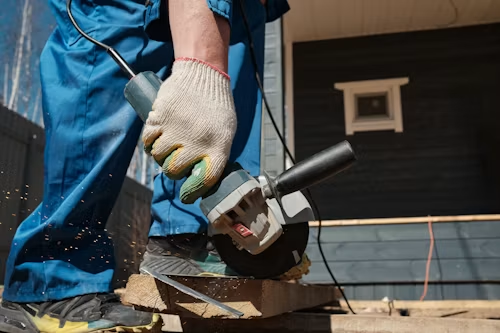
Cutting concrete requires more than a powerful motor. The right concrete saw cutter combines blade quality, cutting depth, and user control to produce smooth and accurate results. Whether you work with concrete slabs, bricks, pavers, or stone, choosing the proper tool makes every project easier.
Many users also compare a circular saw cutter when working on smaller masonry jobs. Modern electric models offer steady performance, easier handling, and lower maintenance than fuel powered alternatives. Current buying guides and leading industry resources consistently recommend comparing cutting capacity, blade compatibility, wet and dry operation, safety features, and overall handling before making a choice.
Understanding What a Concrete Saw Cutter Can Do
Concrete is one of the toughest materials found on construction sites. Standard woodworking saws cannot handle its density or abrasive surface. A concrete saw cutter is designed specifically for these demanding applications using high speed motors and diamond blades.
These tools are used for sidewalks, driveways, retaining walls, expansion joints, paving stones, and masonry blocks. Depending on the blade installed, they can also cut brick, tile, asphalt, and natural stone. Matching the correct blade with the material remains one of the biggest factors in cutting quality.
Why a Circular Saw Cutter Is Popular for Small Projects
For home improvement and light construction work, a circular saw cutter offers an excellent balance between portability and cutting performance. It is easier to transport than larger walk behind equipment and provides better control during shorter cuts.
Electric circular saw cutters have also become more common because they require less maintenance and produce lower noise. They are especially useful where indoor work or enclosed spaces make exhaust fumes undesirable.
Key Features Worth Comparing
Different projects require different capabilities. Looking beyond motor size helps buyers choose equipment that fits their daily work.
Important features include:
- Diamond blade compatibility
- Adjustable cutting depth
- Wet and dry cutting support
- Comfortable front and rear handles
- Strong blade guard
- Water delivery system
- Stable base plate
- Durable housing
These features improve accuracy while helping users maintain better control throughout the cut.
Picking the Right Blade for Every Material
The blade often determines how clean the finished cut will look. Diamond blades remain the preferred option because they last longer and handle hard materials more effectively than standard abrasive blades.
Segmented blades work well for aggressive concrete cutting. Continuous rim blades are commonly selected when smoother finishes are required on stone or tile. Turbo blades combine faster cutting with improved edge quality for many general purpose jobs.
Wet Cutting Compared With Dry Cutting
Wet cutting keeps the blade cool while reducing airborne silica dust. The added water also helps extend blade life during longer cutting sessions and often produces cleaner edges.
Dry cutting remains useful when water cannot be supplied. However, operators should allow the blade to cool periodically and always wear suitable respiratory protection because dust levels increase significantly during dry operation. Industry guidance consistently recommends wet cutting whenever practical.
Getting Better Cutting Accuracy
Accurate cutting begins before the motor starts. Mark the cutting line carefully and inspect the material for reinforcement or obstacles.
Guide the saw at a steady speed without forcing the blade through the concrete. Making several shallow passes often creates straighter cuts than attempting full depth immediately. Contractors frequently recommend this approach for better control and blade life.
Choosing the Right Size for Your Work
Blade diameter directly affects cutting depth. Smaller handheld saws work well for repair jobs and home renovations, while larger models handle thicker slabs and demanding construction tasks.
Think about the materials you cut most often rather than choosing the largest machine available. A properly sized tool is usually easier to control and reduces operator fatigue during extended use.
Safety Habits That Should Never Be Ignored
Concrete cutting creates dust, flying debris, and loud noise. Personal protective equipment should always be part of the job regardless of project size.
Essential safety equipment includes:
- Safety glasses
- Hearing protection
- Dust mask or respirator
- Heavy gloves
- Protective footwear
Inspect the blade before each use and verify that the guard moves freely. Damaged blades should always be replaced before beginning work.
Common Buying Mistakes to Avoid
Many buyers compare only motor power while overlooking other important features. Blade quality, cutting depth, balance, and dust control often have a greater impact on daily performance.
Another common mistake is selecting a blade designed for the wrong material. Using the correct diamond blade improves cutting speed, reduces wear, and creates cleaner finished edges.
Simple Maintenance Tips That Extend Tool Life
Cleaning the saw after every project prevents dust from building around moving parts. Remove debris from air vents and inspect electrical cords for signs of wear before storage.
Check blade condition regularly and tighten mounting hardware according to the manufacturer’s instructions. If your saw supports wet cutting, keep the water line clean so cooling remains consistent throughout each cut.
How to Select the Best Concrete Saw Cutter
Start by considering the type of projects you complete most often. Light renovation work may only require a compact circular saw cutter, while frequent commercial work benefits from larger equipment with deeper cutting capacity.
Compare cutting depth, blade size, overall weight, safety features, and ease of maintenance instead of focusing on a single specification. The best choice is the one that fits your workload while delivering clean, repeatable cuts over time. These factors appear consistently across leading buying guides because they directly influence cutting performance and usability.
Final Thoughts
A quality concrete saw cutter helps produce accurate cuts while improving efficiency on masonry projects. The combination of the correct blade, proper cutting technique, and regular maintenance plays a major role in achieving consistent results.
A circular saw cutter is an excellent option for many users who need portability and dependable performance. By understanding blade selection, cutting methods, and essential safety practices, you can choose equipment that matches both current and future projects.
FAQs
What is a concrete saw cutter used for?
It is used to cut concrete, brick, stone, pavers, masonry blocks, and similar building materials with the proper blade.
Can a circular saw cutter cut concrete?
Yes. It can cut concrete when fitted with a suitable diamond blade designed for masonry work.
Is wet cutting better than dry cutting?
Wet cutting reduces dust, cools the blade, and often improves blade life during longer cutting jobs.
Which blade works best for concrete?
Diamond blades are the preferred choice because they offer durability and cleaner cuts on hard materials.
How can I make straighter concrete cuts?
Mark the cut line clearly, use steady pressure, and make several shallow passes instead of cutting to full depth in one attempt.