
The world of luxury jewelry and watches has always captivated us with its beauty and craftsmanship. Today, however, true luxury is increasingly defined by ethical sourcing. Consumers are asking important questions about where their precious items originate. They want assurance that these pieces were created with respect for both people and the planet.
This growing demand highlights the critical need for transparency throughout the supply chain. We believe understanding ethical practices is essential for making informed decisions.
In this extensive guide, we will explore what makes luxury jewelry and watches truly ethical. We will define sustainability within this sector, examine responsible mining standards, and discuss how provenance is verified. We will also highlight the materials that shape conscious craftsmanship, from recycled metals to transparent gemstone sourcing. Finally, we will cover the longevity and care that ensure these heirlooms last for generations. Our aim is to provide clear insights into this evolving market, helping you make confident choices when selecting from any reputable luxury jewelry and watch retailer.
Ethical Certification Pathways for Luxury Goods
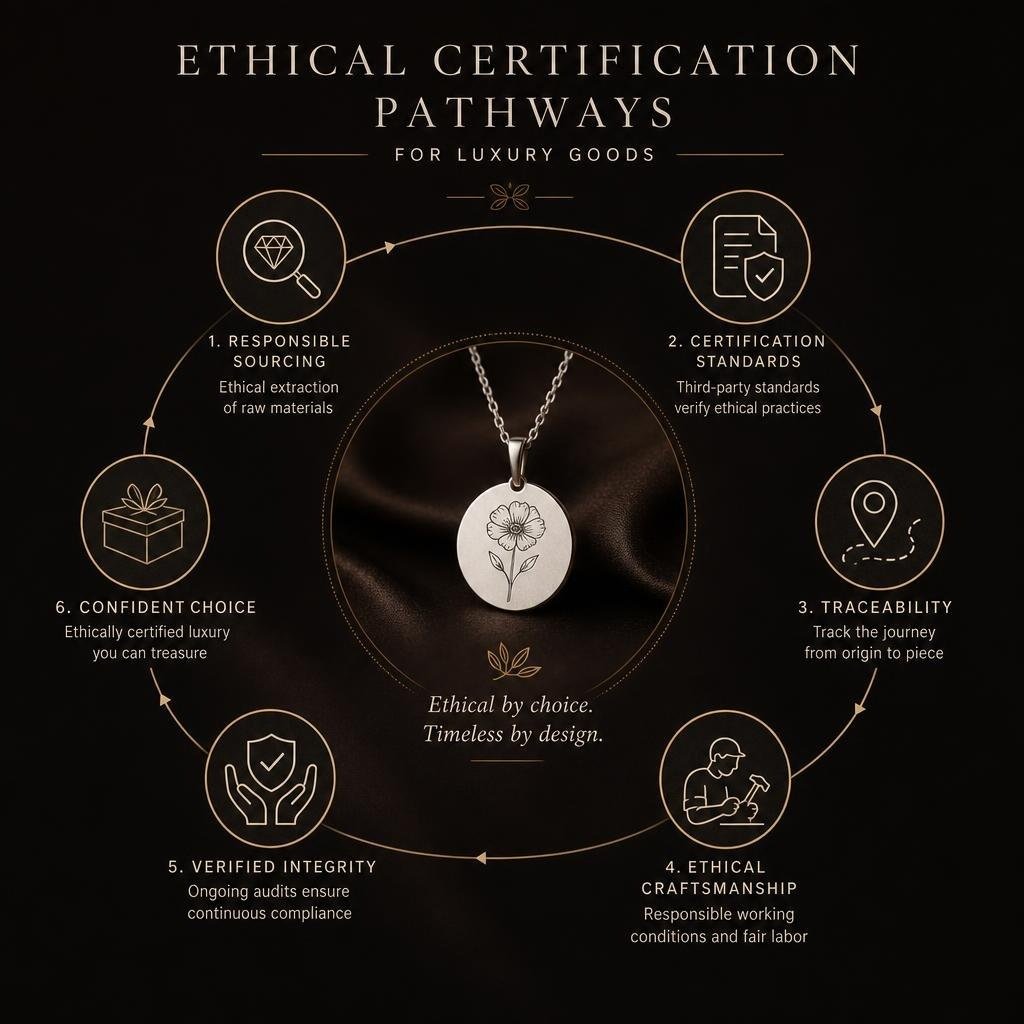
Sustainability in the luxury sector goes far beyond simply using recycled materials. It encompasses a holistic approach that considers every stage of a product’s lifecycle, from the earth to the end-user. For us, this means prioritizing practices that minimize environmental harm, uphold human rights, and foster economic well-being for all involved. This includes the responsible sourcing of precious metals and conflict-free gemstones, ensuring traceability, and supporting artisanal mining communities.
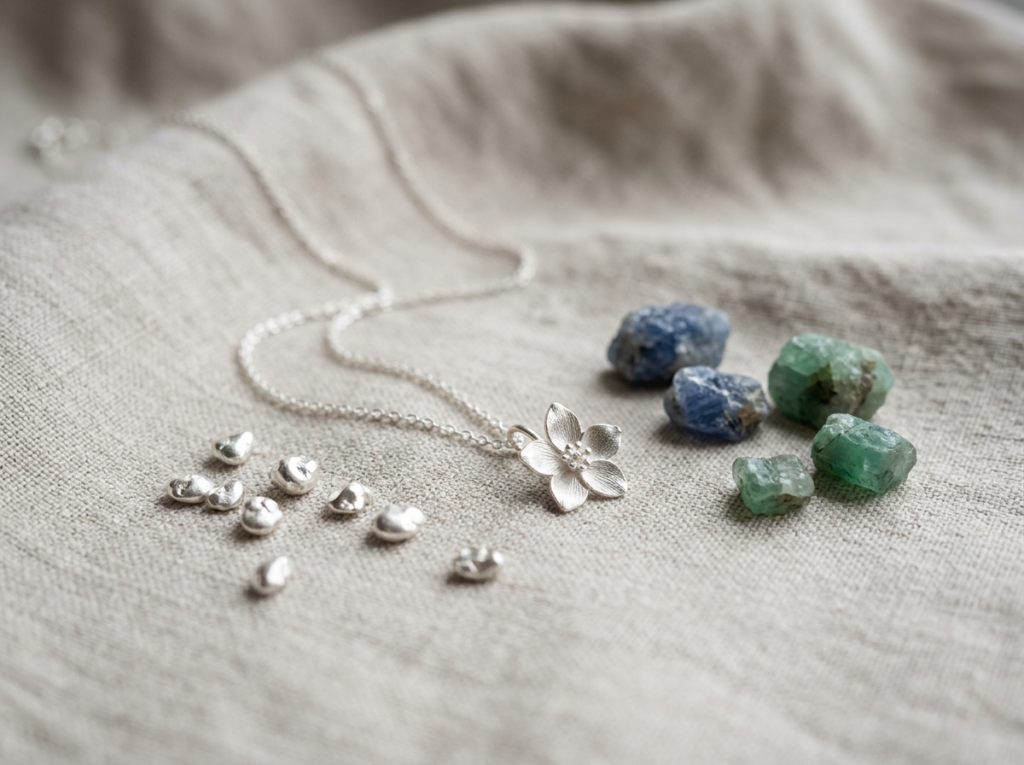
The shift towards ethical luxury reflects a growing consumer consciousness. In September 2026, we observe that customers are not just buying a beautiful object; they are investing in its story, its impact, and its legacy. This means demanding transparency about where materials like gold, silver, and diamonds come from, and how they are processed. For instance, the use of Fairmined gold guarantees that the metal has been extracted responsibly by artisanal and small-scale miners, providing fair wages and safe working conditions, while also protecting the environment. Similarly, recycled silver, often used in popular items like birth flower necklaces, significantly reduces the environmental footprint associated with new mining. Traceability, therefore, becomes paramount, allowing consumers to follow the journey of their cherished pieces and verify their ethical claims.
Responsible Mining Standards for Luxury Jewelry and Watches
The foundation of ethical luxury jewelry and watches lies in responsible mining standards. These standards are designed to mitigate the significant environmental and social impacts traditionally associated with the extraction of precious metals and gemstones. Organizations like the Responsible Jewellery Council (RJC) play a crucial role in establishing comprehensive standards that cover the entire supply chain, from mine to retail.
RJC certification, for example, addresses a broad spectrum of issues, including human rights, labor rights, environmental performance, mining practices, product integrity, and disclosure. For a luxury brand to achieve this certification, it must demonstrate a commitment to fair trade principles, ensuring that miners receive equitable compensation for their labor and that local communities benefit from the mining operations. This commitment extends to robust environmental stewardship, which involves minimizing pollution, managing waste, rehabilitating mined lands, and conserving biodiversity.
Furthermore, responsible mining emphasizes stringent labor welfare standards, protecting workers from exploitation, ensuring safe working conditions, and prohibiting child labor. It also dictates careful chemical management, particularly in gold and silver mining, to prevent contamination of water sources and ecosystems. These standards are not merely guidelines; they are auditable benchmarks that luxury brands must adhere to, providing consumers with confidence that their purchases align with their values. This rigorous approach ensures that the allure of a fine timepiece or a delicate silver birth flower necklace does not come at the cost of human dignity or ecological integrity.
Verification and Provenance Tracking
In the complex world of luxury goods, verification and provenance tracking are indispensable for upholding ethical claims. As consumers increasingly demand proof of responsible sourcing, brands are adopting innovative technologies and meticulous auditing processes to ensure transparency. This means moving beyond mere assurances to provide verifiable evidence of a product’s journey.
One of the most transformative tools in this area is blockchain tracking. By creating an immutable, decentralized ledger, blockchain can record every transaction and transfer of a precious metal or gemstone from its origin point to the final product. This digital fingerprint allows for unparalleled transparency, making it virtually impossible to falsify provenance data. For instance, a customer purchasing a bespoke watch or a personalized silver pendant can access a digital passport that details the mine of origin, the cutting facility, and even the artisan who crafted the piece.
Beyond digital solutions, traditional methods like laser hallmarks and unique serial numbers continue to play a vital role. Laser hallmarks, often microscopic, can be etched onto metals and gemstones, providing a permanent identifier that links the material to its source. Comprehensive supply chain audits, conducted by independent third-party verification bodies, are also critical. These audits scrutinize every step of the production process, from mining and refining to manufacturing and retail, ensuring compliance with ethical and environmental standards. Such rigorous verification processes build trust and assure us that the exquisite items we cherish, whether a high-precision mechanical watch or a handcrafted silver birth flower necklace, have been produced with integrity and accountability.
Materials That Define Conscious Fine Craftsmanship
The choice of materials is central to conscious fine craftsmanship in luxury jewelry and watches. For us, this means prioritizing substances that are not only beautiful and durable but also ethically and sustainably sourced. The industry is witnessing a significant shift towards materials that minimize environmental impact and promote social responsibility.
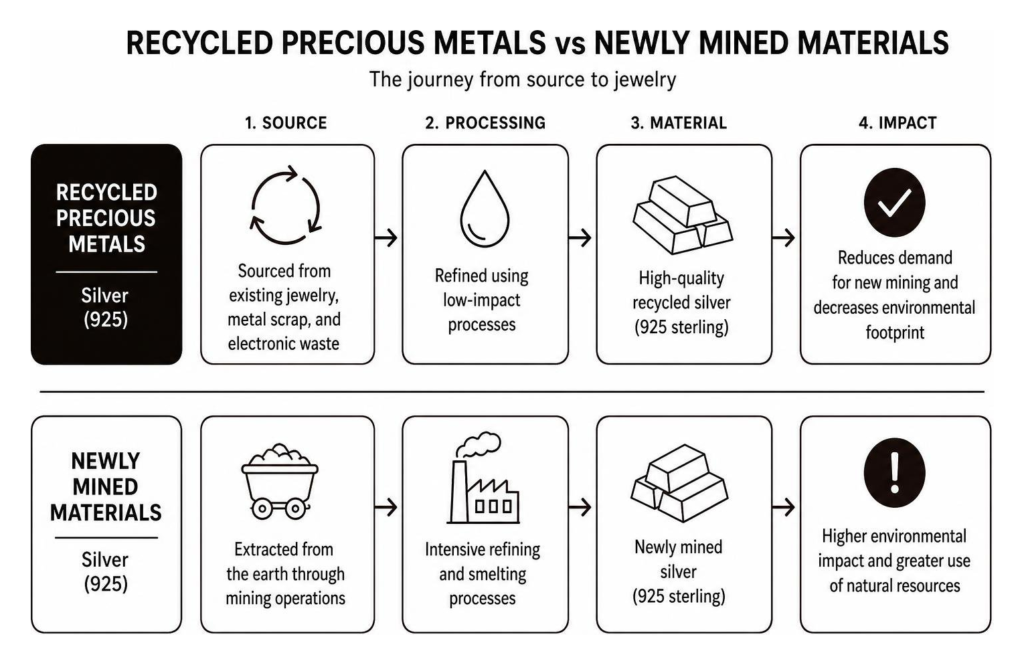
A key aspect of this evolution is the increasing use of recycled precious metals. These materials offer a compelling alternative to newly mined resources, drastically reducing the demand for environmentally intensive mining operations. For example, 925 sterling silver, a popular choice for its luster, durability, and affordability, is frequently available in recycled forms. This makes it an ideal material for a wide range of jewelry, from intricate designer pieces to beloved personalized items like a silver birth flower necklace, offering both aesthetic appeal and a clear conscience. Similarly, 14k gold, another staple in fine jewelry, is increasingly being sourced from recycled content.
The discussion also extends to gemstones. While natural gemstones are undeniably beautiful, the ethical concerns surrounding their extraction have led to a rise in popularity for lab-grown stones. These stones possess the same chemical, physical, and optical properties as their natural counterparts but are created in controlled environments, eliminating the environmental and social impacts of mining. For those who prefer natural gems, the focus is on ethical gemstones, with strict adherence to origin tracing and support for artisanal mining cooperatives that follow fair labor and environmental practices. The environmental footprint of each material choice is now a primary consideration, driving innovations towards a more sustainable future for luxury.
Comparing Recycled Precious Metals versus Newly Mined Materials
Recycled Metals and Low-Impact Smelting
The adoption of recycled metals and low-impact smelting techniques represents a significant stride towards a more sustainable luxury industry. For us, embracing a circular economy means transforming what was once waste into valuable resources, drastically reducing the environmental toll of traditional mining.
Recycled metals, such as silver and gold, are typically sourced from existing jewelry, industrial scrap, or electronic waste. This process of scrap refining diverts materials from landfills and significantly lowers the demand for virgin mining. The benefits are manifold: it leads to a substantial carbon reduction, as extracting new metals is far more energy-intensive than recycling existing ones. For instance, recycling gold uses approximately 5% of the energy required to mine new gold, and similar efficiencies apply to silver. This commitment to recycling is particularly impactful for materials like 925 sterling silver, which is widely used in jewelry for its versatility and hypoallergenic qualities, making it a perfect choice for items like a personalized birth flower necklace that are meant to be worn daily and cherished for years.
Furthermore, advancements in metallurgical purity ensure that recycled metals meet the same high-quality standards as newly mined ones. Modern smelting techniques are designed to be low-impact, minimizing emissions and hazardous byproducts. This not only protects the environment but also results in cleaner, purer metals that are ideal for crafting hypoallergenic alloys, crucial for sensitive skin. By choosing recycled metals, we contribute to a closed-loop system that champions resource efficiency and environmental responsibility, redefining luxury for the 21st century.
Transparent Gemstone and Diamond Sourcing
Transparent gemstone and diamond sourcing is a cornerstone of ethical luxury, ensuring that the beauty of these precious stones is untainted by conflict or exploitation. The journey of a gemstone from mine to market can be fraught with ethical challenges, which is why rigorous standards and verification processes are essential.
For diamonds, the Kimberley Process Certification Scheme (KPCS) was established to prevent the trade of “conflict diamonds” – rough diamonds used to finance wars against legitimate governments. While the Kimberley Process has been instrumental, many in the industry, including us, advocate for standards that go beyond its scope, focusing on broader human rights and environmental considerations. This often involves origin tracing, which utilizes advanced technologies and meticulous documentation to track a diamond’s journey from its specific mine of origin.
The sourcing of colored gems presents its own unique set of challenges, often involving small-scale artisanal mining operations in developing countries. Ethical sourcing in this sector focuses on ensuring fair wages, safe working conditions, and community development initiatives. This often means working directly with artisanal cooperatives, providing them with training, equipment, and fair market access, empowering local communities and fostering sustainable livelihoods. Brands committed to ethical practices will disclose the provenance of their gemstones, offering consumers peace of mind that their exquisite emeralds, sapphires, or rubies have been acquired responsibly. This dedication to transparency ensures that every sparkle tells a story of integrity and positive impact.
Longevity and Craftsmanship in Modern Horology and Fine Jewelry
The true measure of luxury, particularly in an ethically conscious context, lies in longevity and craftsmanship. For us, this means creating pieces that are not only beautiful today but are designed to endure for generations, becoming cherished heirlooms. This philosophy stands in stark contrast to fast fashion and disposable goods, emphasizing enduring value and meticulous artistry.
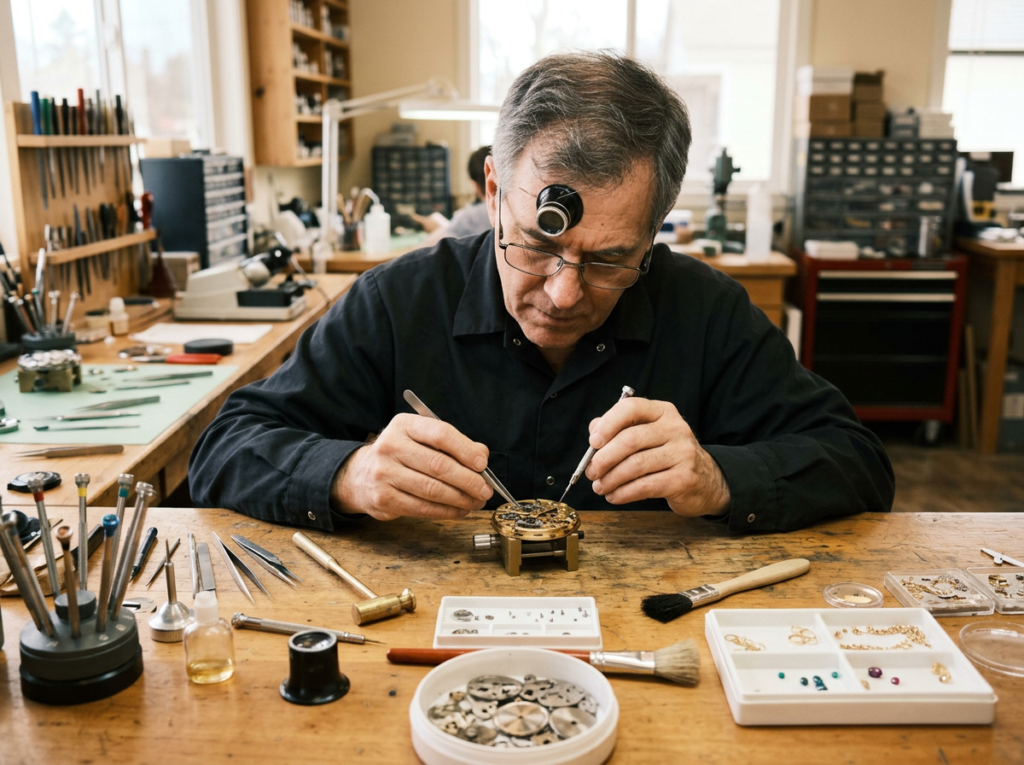
In horology, this commitment is embodied by mechanical calibers. Unlike quartz movements that rely on batteries and have a finite lifespan, mechanical watches are intricate machines designed for perpetual repairability. A master watchmaker can service and restore a mechanical movement, ensuring its functionality for decades, if not centuries. This inherent repairability makes mechanical watches inherently sustainable, reducing waste and preserving the art of traditional watchmaking.
Similarly, in fine jewelry, heirloom design is paramount. Pieces are crafted with timeless aesthetics and robust construction, ensuring they remain relevant and durable. Hand assembly, a hallmark of high-end jewelry and watchmaking, contributes significantly to this longevity. Skilled artisans meticulously assemble each component, ensuring precision and strength that mass-produced items cannot match. Many ethical brands also embrace small-batch production, which allows for greater attention to detail, reduces waste, and often supports local artisans. This approach ensures that every item, from a complex tourbillon watch to a delicate silver birth flower necklace, is a testament to enduring quality and artisanal excellence.
Key Criteria When Choosing Sustainable Luxury Jewelry and Watches
When investing in sustainable luxury jewelry and watches, discerning consumers, like us, look for specific criteria that validate a brand’s ethical claims. These benchmarks provide assurance that a purchase aligns with values of responsibility and quality.
Firstly, hallmark verification is crucial for precious metals. For silver, the “925” stamp indicates sterling silver, meaning 92.5% pure silver. For gold, hallmarks denote karat purity (e.g., “14K” or “585” for 14-karat gold). Beyond purity, ethical hallmarks from organizations like Fairmined or RJC indicate responsible sourcing. For watches, the movement caliber is a key indicator of quality and potential longevity; in-house mechanical movements are often preferred for their craftsmanship and repairability.
Secondly, ethical provenance is non-negotiable. This involves transparent disclosure of where materials were sourced, how they were extracted, and the conditions under which they were processed. Brands that provide digital passports or detailed supply chain information demonstrate true commitment. Casing materials, too, play a role; recycled precious metals or responsibly sourced alternative materials contribute to a lower environmental footprint. Finally, timeless design is an often-overlooked aspect of sustainability. Choosing pieces with classic aesthetics ensures they remain cherished and relevant for years, reducing the desire for frequent replacements. This thoughtful selection process ensures that every luxury item, from a sophisticated timepiece to a personalized silver birth flower necklace, is a testament to both enduring style and ethical integrity. For those seeking such meticulously crafted items, exploring an established fine jewelry and watch purveyor can offer a curated selection of ethically sound options.
Maintenance and Longevity Practices
Ensuring the longevity of luxury jewelry and watches is not just about craftsmanship; it also involves diligent maintenance and care practices. For us, preserving the beauty and integrity of these cherished items is a responsibility that extends their life and maintains their value as heirlooms.
For silver jewelry, including popular items like a silver birth flower necklace, tarnish prevention is key. Silver naturally oxidizes when exposed to air and moisture, leading to a dull, darkened appearance. Storing silver in airtight bags or anti-tarnish cloths, away from humidity and direct sunlight, can significantly slow this process. Regular, gentle cleaning with a soft jewelry cloth after each wear helps remove oils and residues that accelerate tarnishing. We also advise against exposing silver to harsh chemicals found in cleaning products, perfumes, and chlorinated water.
For watches, especially mechanical ones, professional servicing is paramount. Just like a finely tuned automobile, a mechanical watch requires periodic maintenance, typically every 3-5 years. A skilled watchmaker will clean, lubricate, and adjust the intricate components, ensuring optimal performance and extending its lifespan. Proper storage is also vital; watches should be kept in a watch box or winder to protect them from dust, scratches, and magnetic fields. Regular inspection for loose stones, worn clasps, or damaged links in jewelry, and checking for water resistance seals in watches, can prevent minor issues from becoming costly repairs. Ultrasonic cleaning, performed by professionals, can safely remove stubborn dirt from intricate designs, restoring their original brilliance. By adhering to these practices, we ensure that our luxury pieces continue to tell their stories for generations.
Frequently Asked Questions About Ethical Fine Accessories
As the demand for ethical luxury grows, so do the questions surrounding its authenticity and impact. We often encounter queries from conscientious consumers seeking to make informed choices. Here, we address some of the most common questions about ethically sourced fine accessories.
How can buyers verify if luxury jewelry and watches are ethically made?
Verifying the ethical claims of luxury jewelry and watches requires a proactive approach from buyers. We recommend looking for several key indicators. Firstly, seek out brands that openly disclose their supply chain practices. Transparency is a hallmark of ethical production. Secondly, check for recognized certification standards. For precious metals, certifications like Fairmined or the Responsible Jewellery Council (RJC) provide assurance of responsible mining and labor practices. For diamonds, while the Kimberley Process addresses conflict diamonds, look for brands that go further, offering origin tracing or third-party verification from organizations like SCS Global Services.
Independent audits conducted by reputable third parties also lend credibility to a brand’s claims, confirming adherence to environmental and social standards. Finally, material hallmarking, such as the “925” stamp for sterling silver or specific karat marks for gold, not only denotes material purity but can also sometimes be accompanied by ethical sourcing marks. Don’t hesitate to ask brands directly about their sourcing policies, as their willingness to provide detailed answers is often a strong indicator of their commitment to ethical practices.
What makes recycled sterling silver an eco-conscious choice?
Recycled sterling silver stands out as an exceptionally eco-conscious choice for several compelling reasons. We advocate for its use due to its significant environmental benefits compared to newly mined silver.
The primary advantage is emission reduction. Mining new silver is an energy-intensive process that involves heavy machinery, chemical processing, and substantial carbon emissions. Recycling existing silver, conversely, requires far less energy and generates a fraction of the greenhouse gases. This leads to a substantial reduction in the overall carbon footprint of the jewelry.
Furthermore, recycled silver contributes to zero mining. By utilizing silver that is already in circulation, we reduce the need to extract new raw materials from the earth. This helps to preserve natural landscapes, minimize habitat destruction, and prevent the pollution associated with mining operations. It embodies a true circular recovery model, where resources are kept in use for as long as possible.
Beyond its environmental benefits, recycled sterling silver maintains the same high quality and aesthetic appeal as newly mined silver. It is typically 92.5% pure silver, alloyed with other metals (often copper) to enhance its strength and durability. This composition ensures it remains hypoallergenic for most wearers, making it a safe and comfortable option for everyday jewelry, including popular personalized pieces like a silver birth flower necklace. Choosing recycled sterling silver is a simple yet powerful way to support sustainable practices in the luxury industry.
How do mechanical watch movements support sustainability?
Mechanical watch movements offer a unique contribution to sustainability, particularly in an era dominated by electronic devices with planned obsolescence. We see them as paragons of enduring craftsmanship and responsible consumption.
The most significant factor is their battery-free power. Unlike quartz watches that rely on disposable batteries, mechanical watches are powered by kinetic energy (from movement) or manual winding. This eliminates the environmental impact associated with battery production and disposal, which often involves hazardous chemicals and contributes to landfill waste.
Moreover, mechanical movements are designed for perpetual repairability. Their intricate components can be meticulously disassembled, cleaned, lubricated, and replaced by skilled watchmakers. This means a well-maintained mechanical watch can function perfectly for decades, even centuries, making it a truly generational durability item. This contrasts sharply with many modern electronics that are difficult or impossible to repair once a component fails, leading to frequent replacements.
This inherent repairability fosters a culture of stewardship rather than disposability. It encourages owners to care for their timepieces, understanding them as long-term investments. The horological value of these watches often appreciates over time, further cementing their status as sustainable luxury items. By choosing a mechanical watch, we invest in a piece of engineering artistry that embodies longevity, reduces waste, and can be passed down through generations, carrying stories and memories rather than contributing to environmental burden.
Conclusion
The journey towards ethically sourced luxury jewelry and watches is an ongoing evolution, driven by both consumer demand and industry innovation. For us, embracing this path means redefining luxury not just by its aesthetic appeal, but by its integrity, its impact, and its legacy. We are witnessing a powerful shift towards conscious collecting, where every purchase reflects a deeper understanding of material stewardship and social responsibility.
From the meticulous standards governing responsible mining and transparent gemstone sourcing to the embrace of recycled metals and the timeless appeal of handcrafted pieces, the ethical dimension is becoming integral to true luxury. Whether it’s a precision-engineered mechanical watch designed for generations of use or a beautifully crafted silver birth flower necklace made from recycled sterling silver, the choices we make today shape tomorrow. By demanding transparency, supporting certified practices, and prioritizing longevity, we contribute to a lasting legacy of beauty, ethics, and sustainability.