

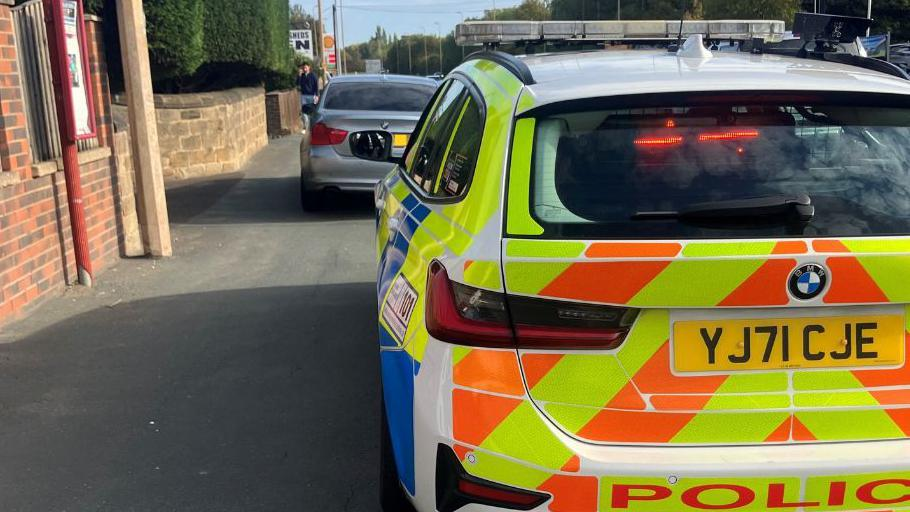
Police operations in multiple areas seized numerous uninsured vehicles recently, highlighting a growing focus on road safety, legal compliance, and responsible vehicle ownership. The enforcement activity has drawn attention because uninsured driving is not simply a paperwork issue. It can create serious financial and legal problems when an accident happens, particularly for people who are left dealing with damage caused by a driver who has no valid insurance.
The recent operations also show how modern policing increasingly combines roadside checks, vehicle registration information, insurance databases, and targeted patrols. Rather than relying only on traditional traffic stops, authorities can identify vehicles that may not meet legal requirements and investigate them during enforcement campaigns. For motorists, that makes keeping insurance information current more important than ever.
Although the exact circumstances can vary from one area to another, the central message is straightforward: drivers are expected to make sure their vehicles are legally insured before using public roads. The seizure of uninsured vehicles is therefore part of a broader effort to discourage illegal driving and protect other road users.
Why Police Are Targeting Uninsured Vehicles
Police operations in multiple areas seized numerous uninsured vehicles recently because uninsured driving remains a significant road-safety and enforcement concern. Motor insurance exists partly to protect drivers and other people who may be affected by collisions. Without appropriate coverage, an innocent victim can face considerable difficulties recovering money for repairs, injuries, or other losses.
From an enforcement perspective, uninsured vehicles can also indicate that a driver has failed to meet basic legal responsibilities. Insurance is generally one of the fundamental requirements associated with keeping a vehicle on the road. When officers discover that a vehicle is uninsured, they may have powers to take enforcement action depending on the relevant jurisdiction and circumstances.
There is also a practical reason for conducting these operations in several locations at once. Drivers who believe checks are limited to a particular neighborhood may simply change their route. Multi-area enforcement makes it harder to avoid inspections and sends a wider message that insurance requirements apply wherever motorists travel.
How These Police Operations Typically Work
Traffic enforcement operations can involve a mixture of marked police vehicles, roadside stops, automatic number plate recognition systems, and information obtained from insurance or vehicle databases. Officers may identify a vehicle for inspection because its registration details indicate a potential insurance problem or because another traffic violation has brought it to their attention.
Once a vehicle is stopped, officers can check relevant documentation and databases to establish whether the vehicle is properly insured. A driver may genuinely believe that their insurance is active, only to discover that a policy has expired, been cancelled, or does not cover the vehicle being driven. This is one reason motorists should not assume that having purchased insurance at some point means they remain covered indefinitely.
The enforcement process can vary significantly depending on local law. In some circumstances, a vehicle may be seized immediately. In others, the driver could receive a penalty or be given an opportunity to resolve the situation. The important point is that motorists should understand the rules that apply in their own area rather than relying on assumptions based on another jurisdiction.
What Happens When an Uninsured Vehicle Is Seized
When police seize an uninsured vehicle, the driver may face more than the inconvenience of losing access to the car. Depending on local legislation, there can be financial penalties, recovery and storage charges, and potentially additional consequences relating to the driver’s licence. The final outcome normally depends on the circumstances and the applicable legal framework.
Vehicle recovery can also become expensive. Once a car has been removed from the road, the owner may have to contact the relevant authority or recovery service, provide evidence of valid insurance, and pay applicable fees before the vehicle can be released. If the owner cannot satisfy the legal requirements, the situation can become considerably more complicated.
For motorists, this is a useful reminder that vehicle ownership involves ongoing responsibilities. Buying a car is only one part of the equation. Keeping it insured, properly registered, roadworthy, and compliant with local requirements is essential if the vehicle is going to be used legally on public roads.
The Financial Risks of Driving Without Insurance
One of the biggest misconceptions about uninsured driving is that the only risk is receiving a ticket. In reality, the financial consequences can be much greater. If an uninsured driver causes a collision, they may become personally responsible for costs that would otherwise have been handled through an insurance policy.
Those costs can include vehicle repairs, property damage, medical expenses, and compensation connected with injuries, depending on the circumstances and local laws. Even a relatively minor accident can result in a bill that is far beyond what an average driver can comfortably afford.
There is also the cost of enforcement itself. A vehicle seizure can lead to towing, storage, administrative, and insurance-related expenses. When these costs are combined with fines or other penalties, an apparently simple insurance lapse can become a major financial setback.
Why Insurance Details Can Sometimes Go Wrong
Not every uninsured vehicle is the result of someone deliberately deciding to ignore the law. Administrative mistakes can happen. A policy might expire because a payment was missed, a renewal message may not have been received, or a driver may misunderstand whether a particular vehicle is covered.
Changes to a vehicle can also create confusion. Someone might switch cars, add a different vehicle to a policy, or allow another person to drive the vehicle without checking whether the insurance arrangement permits it. These details can matter, and motorists should read their policy carefully rather than assuming that every situation is automatically covered.
Another common problem is failing to update personal or vehicle information. Address changes, changes in vehicle use, or modifications to the car can sometimes affect insurance arrangements. Keeping information accurate helps reduce the possibility of discovering a coverage problem during a roadside check.
What Motorists Can Do to Avoid Problems
The simplest way to avoid becoming part of an uninsured vehicle seizure operation is to verify insurance before driving. Motorists should check that their policy is active, that the correct vehicle is listed, and that the coverage meets the legal minimum required in their jurisdiction.
It is also sensible to keep track of renewal dates. Setting a reminder several weeks before a policy expires gives the driver time to review the renewal, compare options if appropriate, and correct any problems before coverage ends. Waiting until the day of expiration can create unnecessary pressure.
Drivers should also be cautious when borrowing or lending vehicles. The fact that a vehicle itself is insured does not necessarily mean every driver is automatically covered. Before getting behind the wheel of someone else’s car, motorists should establish whether the relevant insurance policy permits them to drive it.
Why Multi-Area Enforcement Gets Public Attention
Police operations conducted across multiple areas tend to attract attention because they demonstrate that enforcement is not confined to a single road or neighborhood. When numerous vehicles are identified during coordinated activity, the results can quickly become a warning to motorists throughout a wider region.
Such operations can also help authorities identify broader patterns. If uninsured vehicles are repeatedly found in particular locations, police and local authorities may use that information to decide where future traffic enforcement should be concentrated. This can make patrol activity more targeted rather than relying entirely on random checks.
Public awareness is another important outcome. News of seized vehicles may encourage other motorists to check their own insurance status. In that sense, enforcement has a preventative purpose as well as a punitive one: people who learn about the consequences may take action before they find themselves facing a roadside seizure.
The Wider Road-Safety Picture
Insurance enforcement should be viewed as one part of a larger road-safety strategy. Police also deal with speeding, dangerous driving, impaired driving, defective vehicles, unlicensed drivers, and other behaviors that can increase the likelihood or seriousness of collisions.
A properly insured vehicle does not automatically make someone a safe driver. However, insurance provides an important financial safety net when accidents occur. Making sure motorists meet that requirement therefore supports the wider system designed to protect people using the roads.
There is also an important distinction between enforcement and punishment. The ultimate purpose of traffic laws is to encourage safer and more responsible behavior. When police seize uninsured vehicles, the action may feel severe to the affected owner, but it reinforces the principle that operating a vehicle on public roads comes with legal obligations.
What the Recent Seizures Mean for Drivers
The fact that police operations in multiple areas seized numerous uninsured vehicles recently should encourage motorists to take their insurance status seriously. Drivers should not wait for a police stop to discover that their policy has expired or that their coverage does not apply to their current circumstances.
A quick review of insurance documents can prevent significant problems later. Motorists should verify the policy dates, vehicle details, permitted drivers, and level of coverage. If anything is unclear, contacting the insurer before driving is far safer than assuming everything is in order.
For vehicle owners who have recently changed cars, moved, changed how they use their vehicle, or allowed another person to drive it regularly, reviewing the policy is particularly worthwhile. Small administrative details can have major consequences when something goes wrong.
A Strong Reminder About Responsible Vehicle Ownership
The recent enforcement activity sends a broader message about responsible vehicle ownership. Having a car means accepting certain ongoing responsibilities, and insurance is among the most important. These responsibilities continue whether a vehicle is driven every day or only occasionally.
Police operations in multiple areas seized numerous uninsured vehicles recently, but the larger lesson goes beyond the individual enforcement cases. Roads are shared spaces, and every driver has a role in making them safer and financially more secure for everyone involved.
Ultimately, checking insurance takes only a few minutes, while dealing with a seized vehicle, penalties, recovery charges, or the financial consequences of an uninsured collision can take far longer. For motorists, staying insured and keeping vehicle records up to date is one of the easiest ways to avoid an entirely preventable problem.
You May Also Raed: Englishtistic