

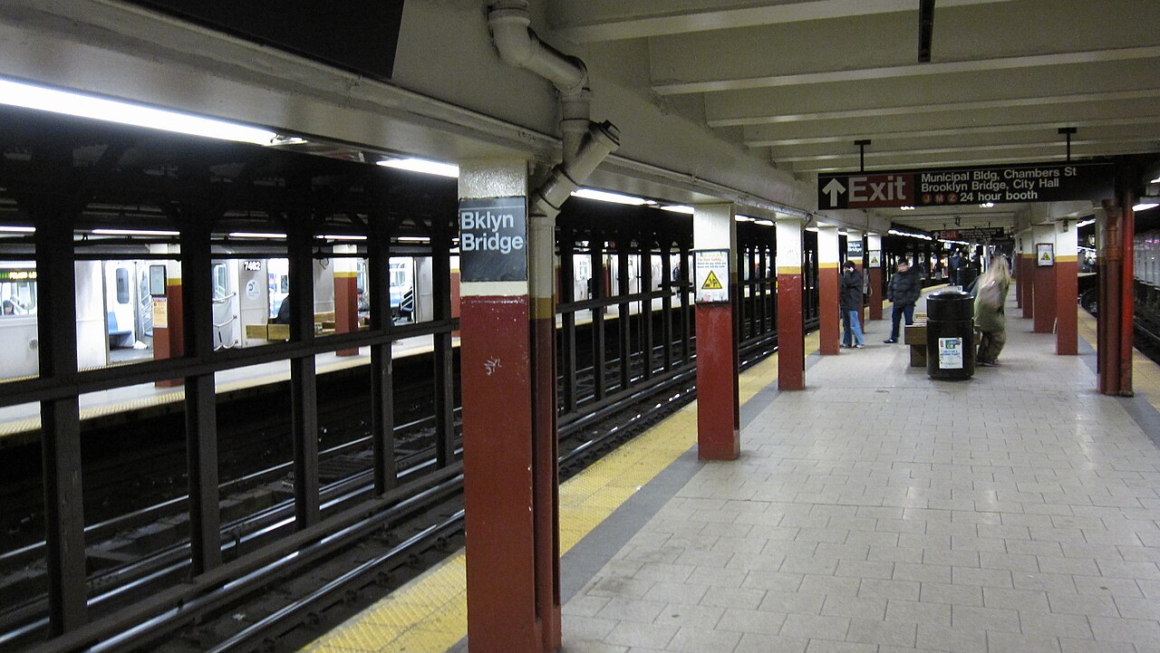
The brooklyn bridge city hall chambers street area is one of those places in New York City where transportation, architecture, history, and everyday urban life all come together. Located in Lower Manhattan, this subway complex sits in the Civic Center near City Hall Park, the Manhattan Municipal Building, Foley Square, and the pedestrian approach to the Brooklyn Bridge. For visitors, it can be a convenient gateway to some of Manhattan’s most recognizable landmarks, while for commuters, it remains an important connection between several subway services.
What makes the brooklyn bridge city hall chambers street station particularly interesting is that it is actually a complex made up of two historic subway stations. Brooklyn Bridge–City Hall serves the IRT Lexington Avenue Line, while Chambers Street serves the BMT Nassau Street Line. The two stations eventually became connected within a common fare-control area, creating the subway complex that passengers recognize today.
Beyond its practical transportation role, the brooklyn bridge city hall chambers street location provides an excellent starting point for exploring Lower Manhattan. Within a relatively compact area, visitors can move from underground subway platforms to historic civic buildings, landscaped public spaces, courthouse architecture, and the famous Brooklyn Bridge. That combination gives the area a distinctly New York character that is difficult to reproduce anywhere else.
Where Is Brooklyn Bridge City Hall Chambers Street?
The brooklyn bridge city hall chambers street subway complex is located around Centre Street in Manhattan’s Civic Center. The station complex’s listed address is Centre Street between Park Row and Foley Square, placing it directly within one of the most historically significant parts of Lower Manhattan.
The location is especially useful because several major streets and public spaces converge nearby. City Hall Park is immediately accessible, while Chambers Street, Centre Street, Park Row, and Foley Square provide routes toward other parts of Lower Manhattan. The Manhattan Municipal Building also sits directly above part of the Chambers Street station, making the underground transportation system feel closely connected with the city’s civic architecture.
For someone visiting New York for the first time, the brooklyn bridge city hall chambers street area can initially feel busy and complicated. There are multiple entrances, nearby streets, subway lines, and landmarks competing for attention. Once you understand the layout, however, the location becomes much easier to navigate. It is essentially a transportation crossroads surrounded by some of Manhattan’s most recognizable public buildings and historic streets.
The History Behind the Station Complex
The history of the brooklyn bridge city hall chambers street station reaches back to the earliest years of the New York City Subway. The Brooklyn Bridge–City Hall portion opened on October 27, 1904, as one of the original stations of New York’s first subway system. It was constructed for the Interborough Rapid Transit Company and formed part of what became the IRT Lexington Avenue Line.
The Chambers Street portion came later. It opened on August 4, 1913, as part of the BMT Nassau Street Line and was built under the Dual Contracts era of subway expansion. This period was important in New York’s transportation history because the city was rapidly extending subway infrastructure to serve a growing population and expanding urban districts.
The two stations were eventually connected within a single fare-control area on July 1, 1948. That connection helped transform two historically separate subway facilities into the larger brooklyn bridge city hall chambers street complex passengers know today. The station therefore reflects several generations of New York transportation development rather than representing one single moment in the city’s history.
Which Subway Lines Serve Brooklyn Bridge City Hall Chambers Street?
One of the biggest advantages of the brooklyn bridge city hall chambers street complex is the number of subway services available. The Brooklyn Bridge–City Hall section is served by the 4, 5, and 6 services, with service patterns varying depending on the time of day. The Chambers Street section is served by the J and Z services, with the Z operating during rush hours in the peak direction.
This makes the station useful for passengers traveling between different parts of Manhattan, Brooklyn, and the Bronx. The Lexington Avenue Line provides major north-south connections, while the Nassau Street Line offers another route through Lower Manhattan and into Brooklyn and Queens. For commuters, having these services in one complex can make the Civic Center considerably easier to reach.
However, visitors should pay attention to the signs before entering a platform. Subway service patterns can change depending on the time and operational conditions. The best approach is to check current MTA information when planning a specific journey, especially if you are traveling late at night, during weekends, or during planned service changes.
Exploring City Hall Park From the Station
One of the most appealing features of the brooklyn bridge city hall chambers street location is its immediate relationship with City Hall Park. After spending time underground, visitors can quickly emerge into a historic public space surrounded by important New York architecture. The park provides a welcome contrast to the dense subway environment below it.
The area around City Hall Park is also useful for travelers who want to explore Lower Manhattan without spending the entire day on public transportation. From here, it is possible to walk toward the Brooklyn Bridge, civic buildings, historic neighborhoods, and other downtown attractions. The station’s entrances around Centre Street and Chambers Street make it particularly convenient for reaching these destinations.
For photographers and architecture enthusiasts, the neighborhood offers plenty to examine. The combination of old government buildings, modern city streets, subway infrastructure, and pedestrian activity creates a layered urban landscape. Even if the subway station itself is not your final destination, the brooklyn bridge city hall chambers street area is worth experiencing as part of a broader Lower Manhattan walking route.
The Connection to the Brooklyn Bridge
Despite its name, the brooklyn bridge city hall chambers street station is not located directly on the bridge. Instead, it sits close to the Manhattan side of the Brooklyn Bridge and provides a convenient transportation point for people visiting the bridge and surrounding downtown attractions.
The Brooklyn Bridge is one of New York’s most famous landmarks, and approaching it from this part of Lower Manhattan offers a memorable experience. Visitors can walk through the surrounding streets before reaching the pedestrian entrance, allowing them to see the relationship between the bridge, City Hall, and the historic Civic Center.
This is one reason the station is particularly popular with visitors. Someone arriving by subway can combine transportation with sightseeing almost immediately. Rather than treating the station as merely a place to get off a train, travelers can use the brooklyn bridge city hall chambers street area as the first step in a walking tour through one of Manhattan’s most historic districts.
Architecture and the Manhattan Municipal Building
The Chambers Street side of the complex has a particularly distinctive architectural relationship with the Manhattan Municipal Building. A major station entrance is positioned beneath the building, and the historic design of the entrance reflects the monumental architecture surrounding it.
One notable feature is the broad stairway associated with the BMT station entrance near Centre and Chambers Streets. Historical descriptions note that the stairway is 64 feet wide and includes a bronze latticed balustrade. It was designed to handle substantial passenger volumes when the station was constructed.
The architecture helps explain why the brooklyn bridge city hall chambers street complex feels different from an ordinary subway stop. The station was built during an era when transportation infrastructure was expected to be functional but could also contribute to the visual identity of the city. The surrounding civic buildings reinforce that sense of scale and permanence.
Accessibility and Station Navigation
Modern passengers also benefit from accessibility improvements at the complex. The brooklyn bridge city hall chambers street station is listed as ADA accessible, with elevators providing access to parts of the station.
An elevator serving the Brooklyn Bridge–City Hall portion is located near City Hall Park. Historical information about the complex notes that the elevator entrance was designed as a replica of an original IRT subway entrance kiosk and opened in 1992.
Because this is a large and historically modified subway complex, passengers should follow the signs carefully rather than assuming every entrance leads directly to every service. If accessibility is important for your trip, checking the current station information before traveling is a sensible step. This is especially helpful when navigating a complex area with multiple platforms and entrances.
Tips for Visiting the Area
If you are visiting the brooklyn bridge city hall chambers street area for sightseeing, give yourself some extra time rather than treating the station as a simple transportation stop. Lower Manhattan has an unusually high concentration of historic sites, and it is easy to discover something interesting just by walking a few blocks.
A good strategy is to use the subway station as a starting point, explore City Hall Park, walk around the Civic Center, and then continue toward the Brooklyn Bridge. You can also combine the area with a longer Lower Manhattan itinerary that includes historic streets, government buildings, and other downtown attractions.
It is also worth remembering that New York subway conditions can change. Service patterns, entrances, and operating conditions may vary, so travelers should check current transit information before setting out. Current mapping information also shows the station as a significant transportation point in Lower Manhattan, with several nearby bus and subway connections.
Why Brooklyn Bridge City Hall Chambers Street Still Matters
The lasting importance of the brooklyn bridge city hall chambers street station comes from more than the number of trains that stop there. It represents the way New York’s transportation system developed alongside the city’s civic and commercial growth. The station connects different subway eras, different transit lines, and different generations of Lower Manhattan architecture.
Its location also demonstrates how closely transportation and public life are connected in New York. Within a short walk, passengers can encounter City Hall Park, the Manhattan Municipal Building, Foley Square, courthouse buildings, and the Brooklyn Bridge. Few subway locations provide such a concentrated mix of transportation and history.
For travelers, commuters, architecture fans, and anyone curious about New York’s subway history, the brooklyn bridge city hall chambers street complex is therefore more than a station name. It is a practical gateway into Lower Manhattan and a small but fascinating piece of the city’s enormous transportation story. Understanding its history and layout makes exploring the surrounding neighborhood easier and gives visitors a better appreciation for how much New York history exists both above and below street level.
You May Also Raed: Englishtistic