
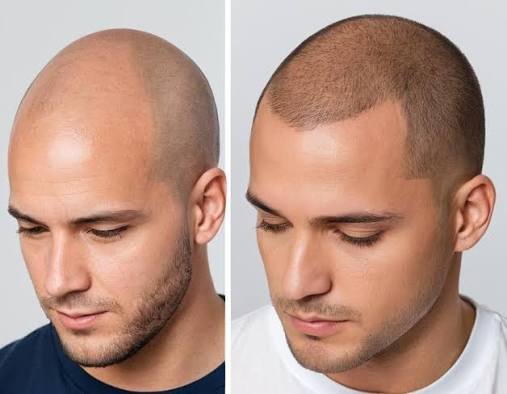
Scalp micropigmentation allows individuals to merge aesthetic preferences with specialized scalp care. The hair tattoo technique involves depositing cosmetic pigments into the upper dermis; these mimic natural hair follicles. Here is more information on blending style and scalp health through hair tattoos:
Framing Facial Features
A hair tattoo helps restore a youthful frame to the face by treating an uneven or receding hairline. Natural hair follicles establish this boundary, but early-stage balding alters this balance. Scalp micropigmentation builds a fuller look that rectifies these aesthetic shifts. A customized hairline treatment corrects visible imbalances to complement unique facial shapes.
When designing the hairline, practitioners evaluate a patient’s individual goals and anatomical features. They analyze the client’s hair layout and assess the facial structure before initiating pigment work. They may also evaluate the scalp to make sure the pigments won’t affect the patient’s health. The placement of the line dictates cosmetic outcomes, so artists map out the borders to match a client’s styling expectations. The final process replicates realistic follicle positions that match the chosen framing style.
Defining Sharp Hairlines
Micropigmentation defines a sharp hairline by establishing structured perimeters that replicate a freshly barbered appearance. While hair recession reduces the original edges, a tattoo corrects this by creating a more linear front border. This specialized design serves as a youthful option that gives balding a clean and high-contrast finish. Practitioners may align the side temporal points with the client’s sideburns and move them forward or backward. A straight profile requires uniform symmetry across the forehead; this approach provides a reliable framework for creating a shape that balances the upper face.
Masking Surgical Scars
Artists mask surgical scars by depositing medical-grade pigment into areas of compromised tissue. These scars mainly occur after traditional hair restoration surgeries. Hair follicles cannot emerge through thick scar tissue, so a tattoo breaks up the contrasting linear patterns to hide damage.
The specialized procedure reduces the harsh contrast between bare scars and the surrounding hair follicles. Achieving successful coverage entails a customized blending process that addresses the unique textures of FUE or FUT scars. Practitioners evaluate the thickness of the damaged tissue, and they choose matching shades from a specialized gray-scale pigment system.
Scar tissue may absorb cosmetic pigments differently from normal skin, so artists build up multiple layers over multiple sessions. This method involves depositing micro-dots around the perimeter of the injury. Surgical scar masking helps maintain scalp health by using a non-invasive technique that avoids additional trauma. The procedure also requires minimal healing downtime.
Restoring Visual Density
Practitioners offer tattoos to restore visual density in thinning areas, such as crowns and jawlines. Micropigmentation creates an illusion of a thicker head of hair. Since this cosmetic application replicates the volume of real hair, it provides an effective solution. To achieve the dense appearance, an artist applies the pigment in layers to match the surrounding hair. Practitioners evaluate the patterns of thinning across the scalp, and they select appropriate dilution levels. Different skin types may absorb and hold cosmetic pigments in unique ways.
A practitioner promotes effectiveness by applying the treatment gradually over multiple separate sessions. This structured schedule allows the artist to build realistic depth between existing strands of hair. The non-invasive procedure supports long-term scalp health by avoiding surgical incisions, which may cause physical trauma. Visual density restoration relies on a few different aspects:
- Layering crown thinning zones
- Darkening exposed parting lines
- Matching natural follicle spacing
Creating Buzzcut Impressions
Tattoos on the scalp replicate the appearance of a short, clean-shaved head of hair; this stylistic choice is ideal for individuals experiencing advanced hair loss or baldness. It transforms a bare scalp into a fully styled, buzzed haircut look. The specialized design serves as a modern and low-maintenance option that makes the entire scalp appear symmetrical. When creating a buzzcut impression, some practitioners utilize a mapping process that covers all balding zones.
Explore Hair Tattoo Styles
Experienced practitioners use advanced pointillism techniques to place tiny pigment dots in the top layer of the skin. Scalp micropigmentation conceals skin imperfections by masking structural anomalies across the cranial dermis. It also offers a less invasive option than implants or other surgeries, so patients can maintain scalp health. The pigment helps hide issues such as hyperpigmentation and texture variations caused by environmental damage. Contact a reputable tattoo artist to learn more about their services.