
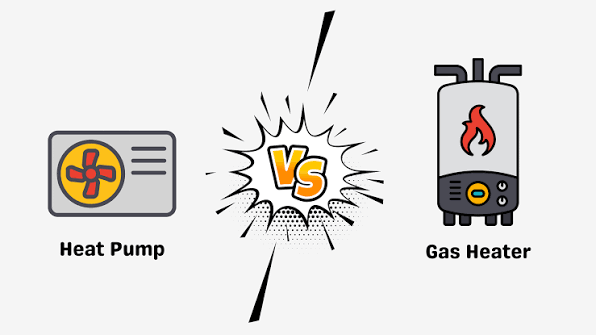
Along the Wasatch Front, a single day can swing from sunny and mild to frosty after sunset. That split personality stresses heating systems and exposes weaknesses in sizing, ductwork, and equipment choice. If you are weighing a heat pump against a gas furnace for a Sandy home, the decision is not abstract. It touches on refrigerant performance during a defrost cycle, furnace flue routing in tight mechanical rooms, and how much airflow your ducts can deliver without turning registers into noisemakers. This article explains what each system actually does, how our local climate affects comfort and costs, where ductwork often becomes a bottleneck to performance, and when a dual-fuel setup is worth considering.
- What a Heat Pump and a Gas Furnace Actually Do
A heat pump is an air conditioner with a reversing valve. In heating mode, the outdoor unit absorbs heat from cold air, compresses refrigerant, and sends it indoors to the air handler’s coil. When frost accumulates outside, it switches to a defrost cycle and may briefly rely on auxiliary heat strips. Efficiency is described by SEER2 for cooling and HSPF for heating, and variable-speed inverter compressors can modulate output to reduce temperature swings. A gas furnace, by contrast, burns natural gas, transfers heat across a sealed heat exchanger, and exhausts through a flue. Its output is rated by AFUE, an inducer motor manages combustion air, and safety devices monitor flame and rollout to prevent carbon monoxide risks.
Swapping equipment is rarely plug-and-play. A heat pump may require a new lineset size, a properly sized breaker, and a condensate drain with a trap at the air handler. A furnace upgrade might need a flue liner change, new combustion air provisions, or a condensate pump if you choose a condensing model. Local codes, permits, and manufacturer warranties shape these choices. When planning a replacement, consult resources such as a licensed HVAC contractor, Sandy, to align equipment and installation details with local requirements.
- Climate Realities on the Wasatch Front: Balance Point and Efficiency
Heat pumps are most efficient when outdoor temperatures hover in the 30s and 40s. The “balance point” is where a home’s heat loss equals the heat pump’s output. Below that, auxiliary electric strips kick on, or comfort slips. In a typical Sandy winter, nights can drop quickly, and defrost cycles will occasionally reverse operation to clear the outdoor coil. Expect supply air in the 90 to 105 degrees Fahrenheit range during normal heat pump operation, which feels gentler than the 120 to 140 degree air common with furnaces. On a January evening, for instance, a two-story home with leaky attic ductwork might see frequent strip heat calls and higher bills, while a sealed, well-insulated home with a variable-speed system cruises comfortably on the compressor alone.
Furnaces reliably deliver high-temperature air on the coldest nights and quickly recover rooms after door openings. They do, however, require flue routing, combustion safety checks, and working carbon monoxide detectors on each level. The trade-off between a heat pump and a furnace often comes down to energy rates and how many “shoulder season” days you experience. In October and April, a heat pump can sip electricity and hold steady temperatures without short-cycling. If you have a furnace sized strictly for deep-winter peaks, it may short-cycle in mild weather, overshoot setpoints, and dry out indoor air. A practical strategy some homeowners adopt is to run a heat pump above a set outdoor temperature and save the furnace for truly cold snaps.
- Ductwork, Filtration, and Static Pressure Shape Everyday Comfort
No equipment choice can overcome a supply or return that chokes airflow. High static pressure in the duct system forces blowers to work harder, amplifies register noise, and starves far rooms. A single undersized return grille on a split-level can make a variable-speed heat pump howl at high RPMs. Upgrading to a deeper media cabinet for a higher-MERV filter increases the filtration area and reduces resistance. Sealing leaky plenums, adding a return in the basement, or opening balancing dampers can address room-to-room temperature differences more effectively than adjusting the thermostat.
A common mistake is replacing a 3-ton outdoor unit with another 3-tonner simply because “that’s what’s there,” without a Manual J load calculation or a Manual D duct review. The result can be coil icing during the cooling season, a furnace that cycles itself into premature wear, or a heat pump that relies on strips more than necessary. Practical aftercare helps both systems: change filters on schedule, clear 18 to 24 inches of space around the outdoor unit so it can breathe, keep the condensate drain clean, and have the indoor coil and heat exchanger inspected during annual service. Those simple tasks protect efficiency and reveal developing issues before they become no-heat calls on the coldest week.
- Dual-Fuel Systems: When Mixing Technologies Makes Sense
A dual-fuel setup pairs an electric heat pump with a gas furnace under one control board and thermostat. The thermostat or an outdoor sensor locks out the heat pump at a chosen temperature, handing off to the furnace when the compressor would struggle or when electricity rates spike. This approach often suits homes that see long shoulder seasons and occasional Arctic dips, or households with rooftop solar that prefer mostly electric heating but want dependable gas backup. The trade-offs include a higher upfront price, more complex controls, and two appliances to maintain, balanced by flexible operation, quieter runtimes in mild weather, and consistently warm supply air in deep cold.
- What to Ask Before You Replace Equipment
Before signing a contract, ask for a room-by-room Manual J load calculation to avoid oversizing and a duct evaluation to confirm the system can actually move the required CFM. Clarify whether the refrigerant lineset will be replaced or flushed to match the new refrigerant. Check thermostat wiring for a reliable C-wire, and confirm compatibility if you plan to add a smart thermostat or zoning dampers. For furnaces, ask about flue material, combustion air, and a carbon monoxide test. For heat pumps, discuss defrost strategy and auxiliary heat sizing. Finally, confirm that permits and inspections are included and that the condensate drain, pump, and any humidifier are routed to avoid freezing or leaks.
Matching equipment to Sandy’s real weather is part science and part restraint. A heat pump can quietly carry most mild days while a furnace shines on the iciest ones, but both will disappoint if ducts are restrictive, filters are too dense for the cabinet, or the load calculation is guesswork. Look beyond nameplate capacity to airflow, balance point, and how you actually live in the home. A brief on-site evaluation that measures static pressure, inspects the flue or lineset, and reviews insulation can prevent years of uneven rooms and surprise bills. Before you commit, talk through these specifics with a licensed professional and insist on documentation for the design you choose.