

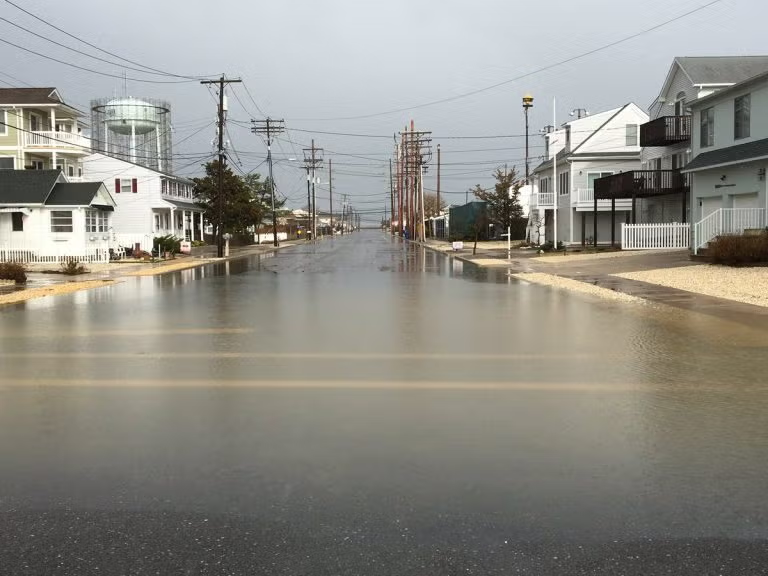
A coastal flood advisory is an important weather alert issued when rising water along the coast is expected to cause minor flooding or create conditions that could become hazardous. These advisories are especially useful for people living near beaches, bays, tidal rivers, marshes, harbors, and low-lying coastal neighborhoods. While an advisory is generally less serious than a warning, it should not be ignored. Even relatively shallow floodwater can disrupt travel, damage property, and create dangerous conditions for pedestrians and drivers.
Coastal flooding can happen for several reasons, including unusually high tides, onshore winds, storm surge, persistent rainfall, and low atmospheric pressure. Sometimes the weather may appear calm, yet high astronomical tides combined with another factor can push water onto roads and properties. This is why paying attention to official alerts is more reliable than judging the risk simply by looking outside.
Understanding what a coastal flood advisory means can help you respond appropriately without unnecessary panic. The goal is not always to evacuate or make major preparations. Instead, an advisory usually signals that people in vulnerable coastal areas should stay informed, avoid known flood-prone locations, and take reasonable precautions before water levels rise.
What Is a Coastal Flood Advisory?
A coastal flood advisory is a weather alert indicating that coastal water levels are expected to reach a level capable of producing minor flooding. In many cases, the flooding affects roads, parking areas, walkways, beaches, drainage systems, and other locations that sit close to sea level. The exact criteria for an advisory can vary depending on the local weather service office and the geography of the affected coastline.
The word “advisory” is important because it generally indicates a lower level of danger than a coastal flood warning. However, lower risk does not mean zero risk. Floodwater can still cover roads, reduce visibility, make driving difficult, and create hazards for people who attempt to walk through moving or contaminated water.
These advisories are often issued ahead of the expected flooding so residents and businesses have time to react. An alert may include the expected timing, approximate water levels, affected coastal areas, and possible impacts. Checking the complete advisory rather than relying only on the headline can give you a much clearer understanding of what is likely to happen.
What Causes Coastal Flooding?
High tides are one of the most common contributors to minor coastal flooding. During certain periods, astronomical tides naturally reach higher levels than normal. If another factor, such as strong winds or heavy rain, occurs at the same time, the combined effect can push water beyond normal boundaries.
Wind direction can also play a major role. Strong winds blowing toward the shoreline can pile water against the coast, particularly in areas with shallow bays or unusual coastal shapes. This process can raise water levels significantly even when there is no major hurricane or tropical storm nearby.
Storm systems are another important cause. A low-pressure system can produce higher-than-normal water levels, while tropical storms and hurricanes can generate much more substantial storm surge. Heavy rainfall can make the situation worse by overwhelming drainage systems and preventing floodwater from flowing away efficiently.
Coastal Flood Advisory vs. Coastal Flood Warning
One of the most important things to understand is the difference between an advisory and a warning. A coastal flood advisory generally means that minor flooding is expected and that impacts are likely in vulnerable locations. People should take precautions, but the situation is typically not expected to reach the severity associated with a major flooding event.
A coastal flood warning indicates a more serious situation. Significant flooding is expected or occurring, and the potential for dangerous conditions and substantial disruption is higher. Depending on the circumstances, residents may need to move to safer locations or follow evacuation instructions issued by local authorities.
There can also be differences in terminology between weather agencies and regions. Rather than focusing only on the alert’s name, read the details provided by the issuing authority. The expected water level, timing, affected locations, and instructions are often more useful than the label itself.
How to Check Whether an Advisory Affects You
When a coastal flood advisory is issued, start by checking the geographic area covered by the alert. Coastal flooding can be highly localized. A neighborhood several miles inland may experience little or no flooding while a low-lying community directly beside a bay could see water covering streets.
Next, look at the expected timing. Some advisories are linked closely to high tide and may affect an area for only a few hours. Others can remain in effect longer because winds, waves, or storm conditions continue to keep water levels elevated.
It is also smart to check updates from your local weather authority and emergency management agency. Conditions can change, and an advisory can sometimes be upgraded if flooding becomes more serious. Official sources should take priority over social media posts or unverified messages.
What Should You Do During a Coastal Flood Advisory?
The best response to a coastal flood advisory is usually practical preparation. If you live in a flood-prone location, move vehicles to higher ground when possible. Secure outdoor objects that could be moved by wind or water, and make sure important belongings are not sitting directly on floors in areas that have flooded previously.
Avoid driving through flooded roads, even when the water appears shallow. It can be difficult to judge the depth from inside a vehicle, and water can hide potholes, damaged pavement, debris, or open drainage structures. A road that looks passable may become dangerous surprisingly quickly.
You should also reconsider recreational activities near the water. Beaches, piers, waterfront trails, boat ramps, and low-lying parks can become hazardous during elevated tides or coastal flooding. Strong currents and waves can create dangers that are not obvious from a distance.
Why Driving During Coastal Flooding Can Be Dangerous
Driving is one of the biggest concerns during coastal flooding. Even a small amount of water on a roadway can reduce tire traction, while deeper water can cause a vehicle to lose control or stall. Saltwater can also damage vehicle components and increase corrosion.
Another problem is that floodwater can conceal changes in the road surface. Drivers may not know whether they are approaching a shallow puddle or a much deeper section. If water is moving across the roadway, its force can also affect a vehicle’s stability.
The safest approach is simple: never assume that a flooded road is safe because another vehicle has passed through it. If barricades or road closures are present, do not drive around them. Find another route and wait for authorities to confirm that conditions are safe.
How Coastal Flooding Can Affect Homes and Businesses
Minor coastal flooding does not necessarily mean that every home or business will suffer major damage. However, properties in low-lying areas can experience water entering garages, basements, crawl spaces, ground floors, or other vulnerable areas.
Businesses can face additional problems because flooding may prevent employees and customers from reaching the property. Deliveries can be delayed, parking areas may become unusable, and electrical or mechanical equipment located near ground level can be exposed to water.
Property owners in repeatedly affected areas can reduce risk by improving drainage, protecting vulnerable equipment, using appropriate flood barriers, and following local flood-resilience recommendations. Long-term preparation is often much more effective than trying to respond after water has already arrived.
Preparing Before Coastal Flooding Happens
Preparation is easiest when conditions are calm. Keep an emergency kit available with drinking water, basic food, flashlights, batteries, first-aid supplies, essential medications, and phone chargers. You do not necessarily need an elaborate setup for a minor advisory, but having basic supplies available can make unexpected disruptions easier to manage.
Know which roads near your home commonly flood. Understanding local geography can save valuable time because you will already know which routes to avoid. If you live in an especially low-lying location, identify higher ground and understand your community’s emergency procedures.
It is also worth reviewing insurance coverage before flooding becomes an issue. Standard homeowners insurance may not cover every type of flood damage. Understanding your policy in advance gives you a better opportunity to identify gaps and make informed decisions about additional protection.
How Weather Forecasts Help Predict Coastal Flooding
Modern weather forecasting combines information from tide predictions, coastal water-level gauges, atmospheric conditions, wind forecasts, wave models, and storm systems. Meteorologists use these sources to estimate how much water may reach vulnerable coastal locations.
Tide predictions are particularly useful because many flooding events are closely connected to high tide. If a storm system or persistent onshore wind arrives around the same time as an unusually high tide, the risk can increase substantially.
Forecasting is not perfect, though. Coastal geography is complicated, and water can behave differently from one location to another. This is why forecasts and advisories may be updated as new observations become available. Checking for the latest information is always better than relying on an old forecast.
Why People Should Take Advisories Seriously
It is easy to become accustomed to frequent weather alerts, particularly if your community receives coastal advisories several times each year. That familiarity can lead people to dismiss an alert simply because previous events caused little damage.
However, every event has different conditions. A slightly different tide, wind direction, storm track, or rainfall pattern can produce a noticeably different outcome. Treating an advisory as useful information rather than an emergency announcement helps people make sensible decisions without overreacting.
The most important habit is to understand the expected impact. If an advisory says that only low-lying roads and waterfront areas are likely to flood, the appropriate response may simply be avoiding those areas. If conditions worsen or authorities issue stronger instructions, your response should change accordingly.
Final Thoughts on Coastal Flood Advisories
A coastal flood advisory is essentially an early signal that coastal water levels may rise high enough to cause minor flooding and disruption. It does not automatically mean that a dangerous disaster is unfolding, but it does mean that people in vulnerable areas should pay attention and make sensible preparations.
Knowing the difference between an advisory and a warning, understanding local flood-prone areas, avoiding flooded roads, and monitoring official updates can greatly reduce unnecessary risk. The smartest approach is to prepare before water rises rather than waiting until conditions become difficult.
Coastal communities will continue to experience changing water levels because of tides, weather systems, rainfall, wind, and longer-term changes along the shoreline. The more familiar people become with these factors, the easier it becomes to respond calmly and responsibly. A coastal flood advisory is not simply another notification on a phone—it is useful information that can help people protect themselves, their property, and their communities.
You May Also Raed: Englishtistic