
A tree doctor uses a diagnostic approach that analyzes how underground factors affect a plant’s survival. These professionals can predict seasonal risks and apply targeted treatments to a tree’s vascular system. Here is more information on the role of arborists in tree health:
Landscape Health Assessment
An arborist performs a landscape health assessment by evaluating a property’s trees, shrubs, and soil. They inspect each plant for visible symptoms of decline, such as branch dieback or unusual leaf spots. Since tree problems sometimes share similar surface characteristics, experts examine the overall pattern of decline to determine the specific cause. This helps them define a specific treatment.
After an initial visual inspection, arborists evaluate the stability of the trunk and main branches to identify potential safety hazards. Assessments also involve analyzing the environmental conditions and soil quality. Soil compacts over time, and the resulting lack of pore space prevents roots from absorbing oxygen and moisture.
Vascular Treatment Injections
Tree doctors deliver localized injections into the lower trunk. The tree absorbs the nutrients through its natural vascular system. Treatment solutions spread up into the canopy without escaping into the surrounding environment; this helps protect the tree.
Injections deliver multiple long-term benefits by introducing nutrients, growth regulators, or pest treatments. The method uses less product than traditional soil drenches or canopy sprays. Professionals use tree injections to fight pests and provide long-term protection.
Vascular injections provide an effective defense against tree diseases. An injection combats threats such as Oak Wilt, which can kill a tree if left unaddressed. By delivering treatment directly where the plant needs it, tree doctors can save mature trees that might otherwise die.
Deep Root Fertilization
Deep root fertilization addresses nutrient deficiencies by injecting liquid fertilizer into the soil zone where tree roots grow. Experts utilize high-pressure injection equipment to bypass the thick lawn layer. Since grass roots absorb most surface-applied nutrients, this targeted delivery provides maximum nourishment to the landscape.
Root fertilization delivers macro- and micronutrients to the feeding roots, improving a tree’s vigor and environmental tolerance. Tree maintenance specialists evaluate a plant’s soil conditions and nutritional needs. They blend customized liquid formulas to correct the nutrient imbalances in soil.
The high-pressure injection technique fractures compacted soil. When an arborist inserts the soil probe and releases the pressurized liquid, the force creates microscopic cracks and fissures. This mechanical aeration loosens the hard ground, allowing water, air, and nutrients to flow through the newly opened underground pathways.
Canopy Growth Regulation
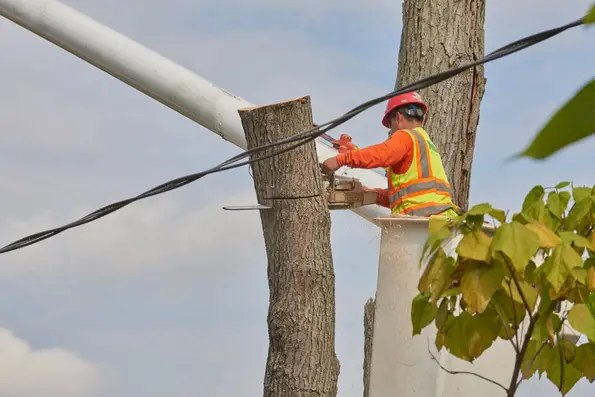
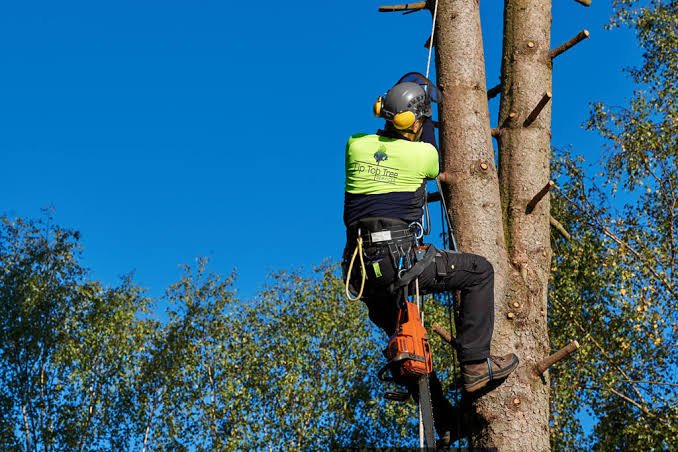
Professionals manage a tree’s physical dimensions to promote safety within urban infrastructure. They prune the trees to remove dead wood and branches that may pose safety hazards. Combining structural trimming and plant growth regulators helps slow down shoot elongation over time. These tasks facilitate canopy control:
- Pruning crown limbs
- Directing young branches
- Thinning dense foliage
Learn More About Arborists
A tree doctor provides expert care to address the biological needs of plants. From conducting health assessments to offering targeted vascular injections, these professionals delve beneath the surface to manage threats. Contact an arborist to learn more about their services.