
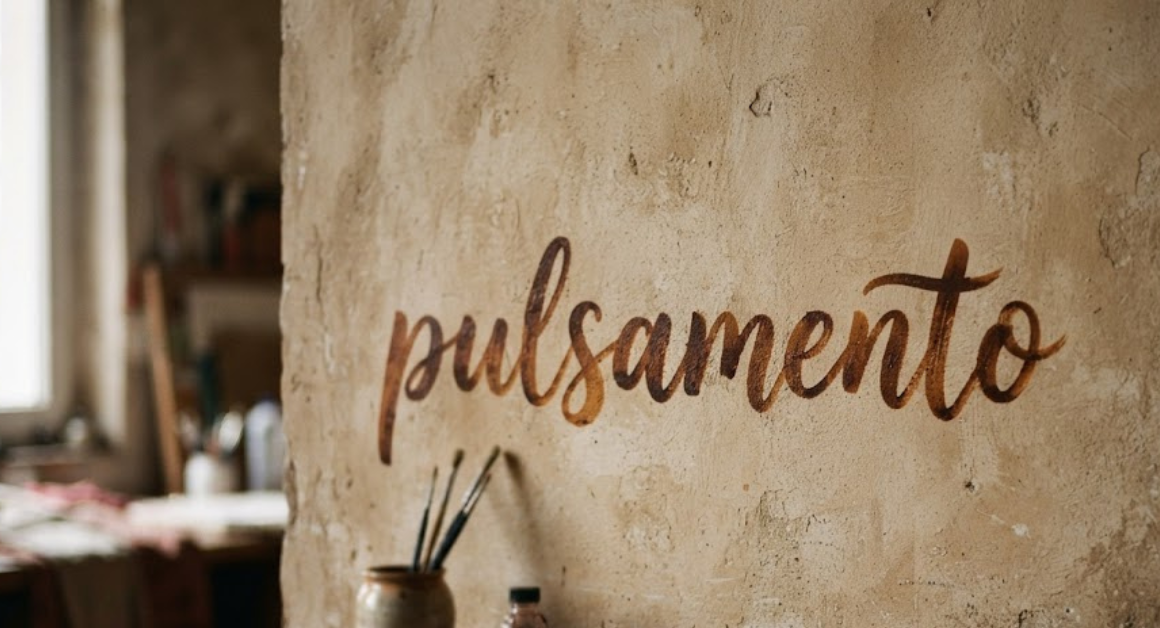
Have you ever come across the word pulsamento and wondered what it actually means? You’re not alone. While it isn’t a term that appears in everyday conversations, pulsamento has captured the curiosity of people searching for its definition, origin, and broader significance.
Depending on the context, pulsamento can refer to the idea of rhythm, pulsation, movement, or an underlying flow of energy that drives activity. The word carries different meanings across music, language, philosophy, and creative disciplines, making it both intriguing and versatile.
In this guide, we’ll explore the meaning of pulsamento, where the term comes from, how it’s used, and why it continues to spark interest among researchers, artists, and curious readers.
What Is Pulsamento?
At its core, pulsamento is associated with the concept of a pulse—a steady rhythm, recurring beat, or continuous movement. The term is rooted in languages derived from Latin, where words related to “pulse” often describe rhythmic motion or repeated vibration.
Although pulsamento doesn’t have a single universally accepted definition in English, it is commonly understood as representing:
- Rhythmic movement
- Continuous flow
- Vibrational energy
- A repeating pattern
- The driving force behind motion or expression
Its exact meaning often depends on the field in which it is used.
The Origin of the Word Pulsamento
The word pulsamento is believed to trace its linguistic roots to the Latin verb pulsare, meaning “to beat,” “to strike,” or “to pulse.” Over time, similar words appeared in Romance languages, carrying meanings related to heartbeat, rhythm, vibration, and motion.
This historical connection explains why the term frequently appears in discussions involving:
- Music
- Dance
- Art
- Literature
- Human physiology
- Philosophy
Its evolution reflects humanity’s long-standing fascination with rhythm as both a physical and symbolic force.
Pulsamento in Music
One of the most common interpretations of pulsamento is found in music.
The Heartbeat of Every Performance
Music depends on rhythm, and pulsamento can describe the steady pulse that gives a composition its structure. Without a consistent pulse, melodies can lose their coherence and emotional impact.
Musicians rely on rhythmic consistency to:
- Maintain timing
- Coordinate with other performers
- Create emotional intensity
- Guide listeners through a composition
Whether it’s classical, jazz, pop, or electronic music, pulse forms the foundation of musical expression.
Pulsamento in Art and Creativity
Artists often use the idea of pulsamento metaphorically.
Rather than referring to an actual heartbeat, it represents the invisible energy that makes creative work feel alive.
Examples include:
- Dynamic brush strokes
- Flowing movement in sculpture
- Rhythmic storytelling
- Repeating visual patterns
- Emotional momentum in performances
Creative professionals frequently describe successful works as having a “pulse” that connects with audiences.
Pulsamento in Philosophy
Beyond music and art, pulsamento can symbolize the rhythm of existence itself.
Many philosophical traditions describe life as a series of repeating cycles:
- Day and night
- Seasons
- Birth and growth
- Rest and activity
- Expansion and renewal
In this sense, pulsamento becomes a metaphor for balance, continuity, and the interconnected nature of life.
Pulsamento in Everyday Life
Even outside artistic or academic discussions, the idea of pulsamento appears in countless everyday experiences.
Think about the rhythms that shape daily life:
- Your heartbeat
- Breathing patterns
- Sleep cycles
- Walking pace
- Conversations
- Work routines
These repeating rhythms help create structure and stability, illustrating how deeply the concept of pulsamento is woven into human experience.
Why Is Pulsamento Becoming More Popular?
Interest in pulsamento has grown for several reasons.
1. Increased Online Curiosity
People often encounter unfamiliar words through books, social media, academic articles, or online discussions and want to understand their meanings.
2. Growing Interest in Mindfulness
Practices such as meditation, breathwork, and yoga emphasize rhythm and awareness, making concepts like pulsamento increasingly relevant.
3. Appreciation for Creative Expression
Artists, musicians, and writers frequently explore rhythm as a central theme in their work, bringing renewed attention to related terminology.
4. Linguistic Exploration
Language enthusiasts enjoy discovering uncommon words with rich histories and multiple interpretations.
Key Characteristics of Pulsamento
Although definitions vary, several themes consistently appear when discussing pulsamento.
These include:
- Rhythm
- Continuity
- Energy
- Movement
- Balance
- Repetition
- Flow
- Harmony
- Expression
- Vitality
Together, these ideas create a concept that is both practical and symbolic.
Practical Applications of Pulsamento
Understanding pulsamento can offer insights across different fields.
Music Education
Teachers use pulse-based exercises to improve timing and coordination.
Dance
Performers synchronize movements through rhythmic awareness.
Creative Writing
Authors create pacing that keeps readers engaged.
Meditation
Steady breathing patterns encourage relaxation and mental clarity.
Sports
Athletes develop rhythm to improve coordination, endurance, and consistency.
Common Misunderstandings About Pulsamento
Because pulsamento is relatively uncommon, several misconceptions exist.
It Only Relates to Music
While music is an important context, the concept extends to philosophy, creativity, language, and everyday life.
It Means Heartbeat Alone
Heartbeat is one example of pulsamento, but the term encompasses many forms of rhythmic movement.
It’s a Scientific Term
Although it may appear in scientific discussions involving rhythm or physiology, pulsamento is often used more broadly in artistic and conceptual contexts.
Benefits of Understanding Pulsamento
Learning about pulsamento can deepen your appreciation for rhythm in all aspects of life.
Benefits include:
- Better understanding of music
- Greater awareness of natural rhythms
- Improved creative thinking
- Enhanced appreciation of language
- Stronger connection to artistic expression
- Insight into cultural and philosophical ideas
Even if you never use the word regularly, understanding its meaning can enrich how you interpret movement and flow around you.
Related Concepts
To better understand pulsamento, it’s helpful to explore related ideas.
These include:
- Rhythm
- Pulse
- Tempo
- Cadence
- Flow
- Harmony
- Beat
- Vibration
- Motion
- Synchronization
These related terms reinforce the broader concept without overlapping completely.
Tips for Appreciating Pulsamento in Daily Life
You don’t need to be a musician or philosopher to recognize pulsamento.
Try these simple practices:
- Listen carefully to the rhythm in your favorite songs.
- Notice your breathing during quiet moments.
- Observe natural cycles like sunrise and sunset.
- Pay attention to your walking pace.
- Practice mindful breathing for a few minutes each day.
- Explore creative hobbies that involve rhythm or movement.
These experiences reveal how rhythm shapes much of our daily existence.
Frequently Asked Questions
What does pulsamento mean?
Pulsamento generally refers to rhythm, pulse, movement, or continuous flow. Its exact meaning depends on the context in which it is used.
Where does the word pulsamento come from?
The term is believed to originate from the Latin word pulsare, meaning “to beat” or “to strike,” which later influenced several Romance languages.
Is pulsamento a musical term?
It is often associated with music because of its connection to rhythm and pulse, but it also appears in art, philosophy, literature, and discussions about natural cycles.
Is pulsamento an English word?
Pulsamento is not commonly used in everyday English. It is more often encountered in multilingual, artistic, or academic contexts.
Why are people searching for pulsamento?
Many people discover the word online or in creative works and want to understand its meaning, origin, and practical significance.
Can pulsamento have a symbolic meaning?
Yes. It frequently symbolizes life, movement, energy, creativity, and the continuous rhythms that shape both nature and human experience.
Conclusion
Pulsamento is more than just an unusual word—it represents one of the most fundamental patterns found throughout life: rhythm. Whether viewed through the lens of music, art, philosophy, or everyday experiences, pulsamento reminds us that steady movement and recurring patterns are essential to how we create, communicate, and grow.
As interest in uncommon yet meaningful terms continues to grow, understanding concepts like pulsamento can broaden your perspective and deepen your appreciation for the rhythms that surround you every day. If you enjoy exploring language, culture, or creativity, consider diving into related topics such as rhythm, cadence, tempo, and the role of flow in art and life.