
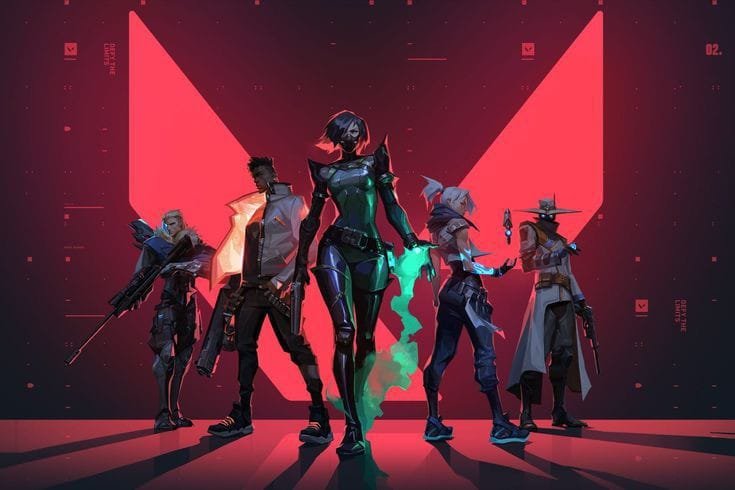
Few competitive shooters can claim to have remained as consistently popular as Valorant. Even six years later, Riot Games isn’t afraid to bring new life into Valorant with new agents, remakes of already existing maps, as well as introduce systems that serve only one purpose to refine the game’s tactical element and make it shine. Season 2026 has arguably been their most productive update to this day, and there’s plenty for both new and long-time Valorant players to learn about.purpose:about.
A Fresh Start With Season
Recently, Riot decided to reorganize the content calendar by changing from regular episodes to a long continuous season split into six Acts. The new Season came up with Act 1 in the beginning of January, when Breeze (the changed version) re-entered the competitive map pool after a long absence, along with Bandit, a 600- credit headshot pistol meant for eco rounds and bold first-time buys.We have now entered a new chapter of the season, with each Act introducing different map changes, agent balances and quality-of-life improvements.
New Agents and the Growing Roster
Since its ten-agent closed beta, Valorant’s game roster has gradually gained new characters. Miks was included in Season as an addition to the list: a Croatian Controller who started in Act 2. Miks doesn’t depend on smokes alone; his skillset focuses on enhancing his colleagues making sound a means of support for the team that gives value to cooperation rather than individual show-offs.
It’s a part of a more extensive pattern in how Riot creates new agents: fewer eye-catching, self-reliant kits and more characters that reward players who chat and play as a team.
Players looking to unlock Miks and other recent additions right away often turn to platforms like LootBar to grab the currency needed without grinding matches for it first.
Agents other than Jett have also undergone a number of changes. Season 2026 has witnessed a long series of balance changes Omen’s ability Shrouded Step was adjusted when players discovered ways to walk through enemies’ back without being noticed, Sentinels and Initiators were given some support for Act 4, and signature ability cooldowns for the likes of Sova, Fade, Skye, Breach, and KAY/O were reduced to make sure these heroes retain a good level of responsiveness.
Map Pool Shake-Ups Keep the Meta Moving
One of the most apparent adjustments this season has been map rotation speed. Act 1 saw Breeze come back with a brand new layout where long line-of-sights dominate and Operator skills are prioritized at the expense, for example, of close quarters fighting and utility-based gunplay like those in sunset.Act 2 saw Lotus and Fracture return to Competitive Play and Deathmatch, whereas Abyss and Corrode were temporarily removed from public rotation. Meanwhile, Act 4 brought forth a new map named Summit and a Retake mode, both being additions to the competitive map and game mode pools since Corrode’s release.
With three lanes and the fact that you can move walls (dropping walls), some of Summit’s roles will be reshaped. For the Initiators, this kind of playing style will be their bread and butter since the map is built in such a way that collecting info is key and repositioning is easy. Sentinels, who are all about keeping angles and shooting from one spot, are going to have a harder time figuring out how to play on this map. It is not a complete surprise that such a small change in a map can change the balance of the game on a global scale.
Quality-of-Life Changes Players Actually Notice
While agents and maps have always been central, the season has been all about improving the clarity with which matches are watched and understood. The killfeed now identifies the agent and ability that resulted in the assist.Status effect icons are better organized on the HUD for the quick understanding of buffs and debuffs. The viewers will now be able to see during broadcasts and replays the ability map targeters like Clove’s Ruse or Brimstone’s Sky Smoke. A custom game replay mode also debuts now that let the players and the coach a much more comfortable and quick review of the round.
Riot has been upfront about a larger engine overhaul that has been quietly progressing during , which is going to result in reduced load periods, less patch downloads, and a steadier operation on older or less powerful machines, without altering the core features such as gunplay, hit detection, and movement that are most significant to the competitive players.
Where the Season Goes From Here
Since the fourth and latest Act has not yet ended and the Champions’ match is set for the end of September, it seems that the latter part of the Season is going to come with more balance updates and may even have one or two more new maps added before the end of the year. The developers have stated that no new agent is coming for the rest of the year. However, there are still two more Acts after this one, which should give everyone quite a lot of surprises to look forward to.
A Quick Note on Getting Set Up
For players jumping back in or gearing up for the new Act, having enough in-game currency on hand makes it easier to grab Battle Pass content, agent contracts, or skins without waiting around. A quick Valorant top up through is one option worth checking out if you’d rather spend more time in queue than managing your wallet.
Final Thoughts
Valorant’s season has not only focused less on dramatic new characters but has also turned its attention to the steady, thoughtful work, adding a new agent, reworking a map, a long list of minor changes that, over time, really add up. For a game built on very precise tactical play, that consistent type of polish will be just what they competitive players need to keep their game sharpened for the second half of the year.