

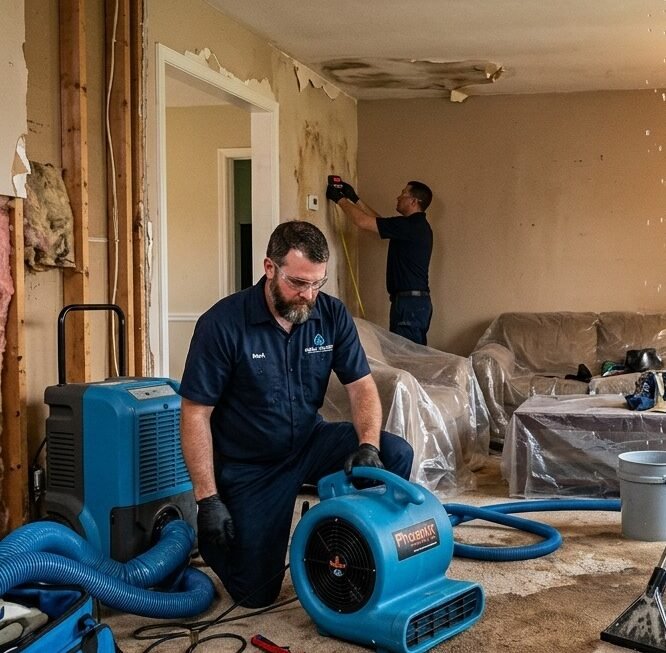
Property damage doesn’t wait for a convenient moment. A burst pipe in the middle of the night, a fire that breaks out on a Sunday morning, a storm that tears through your roof while you’re at work—these situations demand an immediate, professional response. That’s where emergency restoration steps in, turning what feels like an overwhelming crisis into a manageable recovery.
What Does Emergency Restoration Actually Cover?
Emergency restoration is a comprehensive service that addresses sudden and severe property damage caused by water, fire, smoke, mold, or storm events. It’s not just about cleaning up the mess—it’s about stabilizing the structure, preventing further damage, and restoring the property to its pre-loss condition as efficiently as possible.
At Sevco Restoration, the team is equipped to respond to a wide range of emergencies, including:
- Water damage from flooding, burst pipes, or appliance failures
- Fire and smoke damage requiring deep cleaning, odor removal, and structural repair
- Storm damage including roof breaches, fallen debris, and wind-driven rain infiltration
- Mold remediation triggered by prolonged moisture exposure
- Sewage backups that demand immediate containment and sanitation
Each of these scenarios carries its own risks, timelines, and restoration requirements. Having a trained restoration crew handle the work means fewer complications and a faster return to normal.
Why the Speed of Response Matters More Than Most Homeowners Realize
In property damage events, time is one of the most critical variables. Water, for example, begins penetrating building materials within minutes. Drywall can become structurally compromised in as little as 24 hours, and mold can begin developing within 48 to 72 hours of initial moisture exposure.
Smoke particles from a fire embed themselves into fabrics, walls, and HVAC systems quickly—making odor and residue much harder to remove the longer they sit untreated. Storm damage left unaddressed can invite rain intrusion, which then sets off a secondary chain of water-related issues.
The faster a professional restoration team arrives on-site, the more damage they can prevent. That’s not just better for the property—it’s better for the insurance claim, the repair budget, and the overall timeline.
What Sets Professional Emergency Restoration Apart from DIY Cleanup
A common mistake property owners make after an emergency is attempting to handle the initial cleanup themselves. While the instinct is understandable, DIY efforts often fall short in ways that create bigger problems down the line.
Professional emergency restoration services bring several critical advantages:
Advanced drying and extraction equipment: Industrial-grade dehumidifiers, air movers, and moisture meters detect and eliminate water in places that towels and fans simply cannot reach.
Thermal imaging technology: Trained restoration technicians use infrared cameras to identify hidden moisture pockets behind walls and under flooring—areas that, if left wet, become breeding grounds for mold.
Proper containment and safety protocols: Fire scenes and sewage backups present serious health hazards. Professionals use protective gear, containment barriers, and EPA-approved antimicrobials to ensure the environment is safe before, during, and after restoration.
Documented processes for insurance claims: Restoration professionals know how to document damage thoroughly, photograph affected areas, and provide the detailed reports that insurance adjusters require.
Attempting to bypass professional restoration can void insurance coverage, accelerate deterioration, and turn a manageable repair into a full-scale rebuild.
How Sevco Restoration Approaches Every Emergency Job
Sevco Restoration operates with a clear, structured process that keeps property owners informed and in control from the first call to the final walkthrough.
Step 1 — Rapid Response and Initial Assessment
The moment a call comes in, Sevco Restoration dispatches a crew to the property. The first priority is safety: assessing structural integrity, identifying hazardous materials, and ensuring the environment is secure for both the team and the occupants.
Step 2 — Damage Containment
Before restoration can begin, further damage must be stopped. This includes boarding up windows, tarping compromised roofing, extracting standing water, and isolating affected areas from the rest of the property.
Step 3 — Drying, Cleaning, and Deodorizing
Using professional equipment and tested techniques, the team systematically dries out affected materials, removes debris, cleans contaminated surfaces, and eliminates odors caused by smoke, water, or sewage.
Step 4 — Full Structural Restoration
Once the affected area is stabilized and cleaned, Sevco Restoration handles the rebuild—repairing or replacing drywall, flooring, cabinetry, insulation, and any other components that sustained damage.
Step 5 — Final Inspection and Documentation
Every job concludes with a thorough walkthrough to confirm the property has been fully restored to its pre-damage condition. Complete documentation is provided for insurance purposes.
Turning Crisis Into Recovery: Why Sevco Restoration Is the Call to Make First
Emergency restoration performed by skilled, certified technicians gives property owners the fastest, safest, and most cost-effective path to reclaiming their space after unexpected damage—minimizing structural loss, reducing repair costs, and eliminating secondary hazards before they escalate. Sevco Restoration brings that level of expertise to every job, whether it’s a flooded basement at 2 AM or fire damage discovered on a holiday weekend.
The difference between a property that recovers quickly and one that suffers prolonged, compounding damage often comes down to one decision: who you call, and how fast you call them. Sevco Restoration makes that decision easy—available around the clock, responsive from the first call, and committed to restoring more than just the building.
When an emergency hits, the right restoration partner doesn’t just repair the damage. They restore the peace of mind that goes with it.