

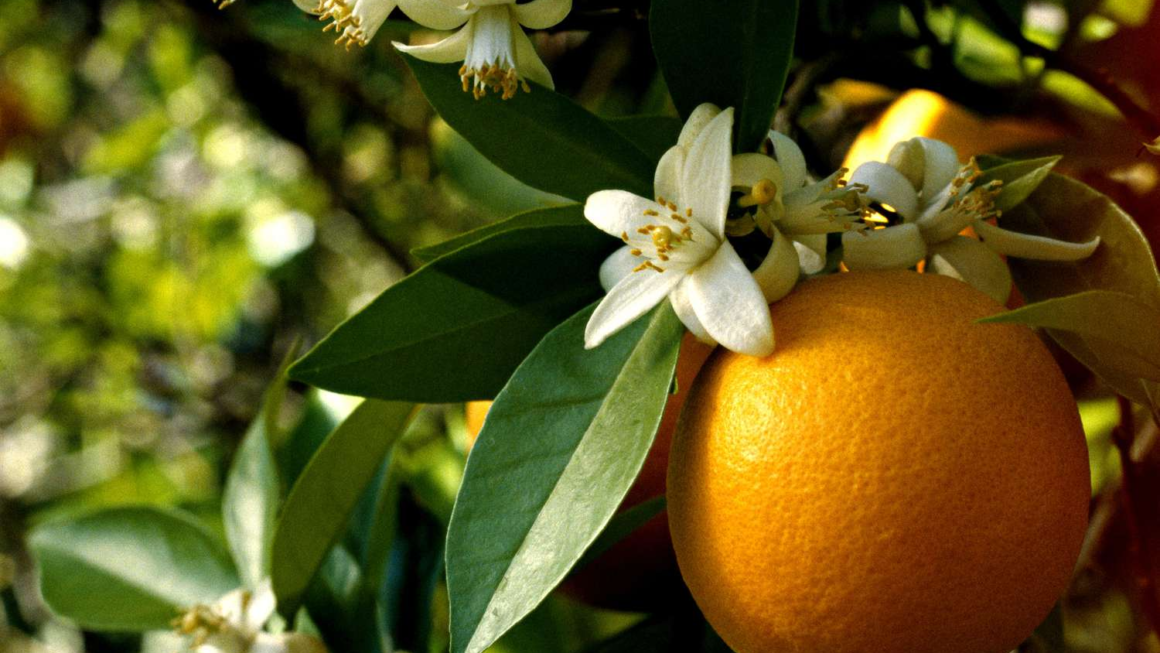
Orange blossom is one of those natural ingredients that can instantly make a familiar dish, drink, or beauty ritual feel more special. Its delicate floral aroma comes from the flowers of citrus trees, particularly sweet orange trees, and it has been valued for centuries across the Mediterranean, Middle East, North Africa, and other parts of the world. Although the blossoms are small and understated, their fragrance is remarkably distinctive.
Today, orange blossom appears in everything from desserts and syrups to perfumes, teas, skincare products, and traditional celebrations. It can be used fresh, dried, or distilled into orange blossom water. The ingredient is particularly interesting because it sits somewhere between culinary tradition and natural fragrance, giving it a surprisingly wide range of uses.
Understanding orange blossom means looking beyond its pleasant scent. The flowers have a fascinating history, a unique culinary personality, and a strong connection to seasonal citrus growing. Whether you have encountered orange blossom in a Middle Eastern pastry, a French dessert, or a bottle of floral water, there is plenty to discover about this beautiful citrus flower.
What Is Orange Blossom?
Orange blossom refers to the fragrant white flowers produced by orange trees. Sweet orange trees are among the best-known sources, although flowers from other citrus varieties can also have similar characteristics. The blossoms are usually small, white, and highly aromatic, with a scent that combines soft floral notes with a subtle citrus freshness.
The flowers generally appear during the citrus tree’s flowering season, often creating a striking contrast against the dark green leaves. Their fragrance can travel surprisingly far, especially when many trees are flowering at the same time. Citrus-growing regions can become filled with the sweet, almost perfume-like aroma of the blossoms.
The term can also refer to products made from these flowers. One of the most famous is orange blossom water, which is produced by distilling the flowers with water. This floral water is widely used in cooking, baking, beverages, cosmetics, and traditional preparations. It is important to distinguish orange blossom from orange peel or orange oil because the flavor and aroma are quite different.
The History and Cultural Importance of Orange Blossom
Orange blossom has a long relationship with Mediterranean and Middle Eastern food traditions. Citrus cultivation spread through different regions over many centuries, and the fragrant flowers eventually became an important part of local culinary and cultural practices. The blossoms were especially appreciated for their perfume-like fragrance and their ability to add complexity to otherwise simple preparations.
In parts of the Middle East and North Africa, orange blossom water became a familiar pantry ingredient. It is used in traditional sweets, puddings, drinks, pastries, and festive foods. Rather than being used in large quantities, it is typically added carefully because its fragrance can become overpowering if too much is used.
Orange blossom has also carried symbolic meaning in different cultures. Orange flowers have traditionally been associated with purity, freshness, beauty, and celebration. Their delicate appearance and pleasant fragrance made them especially suitable for weddings and other important occasions. This cultural connection helped orange blossom become much more than a culinary ingredient.
What Does Orange Blossom Taste and Smell Like?
The aroma of orange blossom is floral, sweet, fresh, and lightly citrusy. However, it does not simply smell like an orange. This is one of the most important things to understand when cooking with it. Orange peel has a bright, zesty character, while orange blossom has a softer and more perfumed personality.
When used correctly, orange blossom can make a recipe feel elegant without necessarily making it taste strongly floral. It can add depth to creamy desserts, baked goods, fruit dishes, and drinks. The best results usually come from using a restrained amount and allowing the fragrance to support the other ingredients.
For people unfamiliar with floral flavors, orange blossom can take some getting used to. A little may seem subtle, while too much can dominate a recipe with a perfume-like taste. This is why experienced cooks often add it gradually. The goal is usually to create a gentle aromatic background rather than make the dish taste like perfume.
How Orange Blossom Is Used in Cooking
Orange blossom has an especially strong place in desserts. It pairs naturally with ingredients such as almonds, honey, dates, pistachios, semolina, cream, yogurt, and citrus fruits. In many traditional recipes, it provides the distinctive aroma that makes the dish immediately recognizable.
It can also be used in drinks. Orange blossom water is sometimes added to lemonade, milk-based beverages, teas, syrups, and refreshing summer drinks. A few drops can transform a simple beverage into something more aromatic and sophisticated. It is also commonly combined with rose water and other floral ingredients in certain traditional drinks.
Savory cooking offers another possibility. While less common in everyday Western cooking, orange blossom can work in marinades, sauces, grain dishes, and certain spice combinations when used carefully. Its floral character can complement warm spices such as cinnamon, cardamom, and ginger. The key is balance, because its fragrance can quickly become the dominant flavor.
Orange Blossom Water and Why It Is So Popular
Orange blossom water is probably the most recognizable culinary form of orange blossom. It is made through a distillation process in which the fragrant flowers are used to produce an aromatic water. The resulting liquid carries the essence of the blossoms while remaining easy to incorporate into recipes.
The quality of orange blossom water can vary considerably between products. Some versions are intensely aromatic, while others are much more delicate. When buying it for cooking, it is worth checking that the product is specifically intended for culinary use and following the manufacturer’s guidance.
Storage also matters. Orange blossom water should generally be kept according to the instructions on its packaging. Once opened, keeping it properly sealed helps preserve its fragrance. Because only a small quantity is normally required, a bottle can last for quite some time when used occasionally.
Popular Foods Made With Orange Blossom
Across different cuisines, orange blossom appears in a wide variety of traditional foods. It is particularly well suited to pastries and sweets because its floral aroma works beautifully with sugar and nuts. Almond-based desserts are a classic example of this combination.
Orange blossom is also used in puddings and creamy desserts. Milk, cream, yogurt, and custard provide a gentle base that allows the floral aroma to stand out without becoming harsh. Some recipes combine it with fruit, honey, or toasted nuts to create layers of flavor and texture.
In North African and Middle Eastern cooking, orange blossom can also appear in festive sweets and syrup-soaked pastries. These dishes often combine floral water with spices, nuts, dried fruits, or delicate pastry. The result is usually fragrant rather than aggressively sweet, making orange blossom an important part of the overall flavor profile.
Orange Blossom in Baking
Baking is one of the easiest ways to experiment with orange blossom. It can be added to cakes, cookies, muffins, sweet breads, biscuits, and pastry fillings. Because the ingredient is aromatic, it does not need to be used in large quantities to make a noticeable difference.
Orange blossom works particularly well with almond flour and ground nuts. The combination creates a warm, slightly exotic flavor that can make a simple cake taste considerably more complex. It also pairs beautifully with orange zest, although using both requires some restraint because their citrus and floral notes can become intense.
One useful approach is to add orange blossom to recipes that already contain complementary flavors. Honey, vanilla, cinnamon, cardamom, pistachios, and dried fruit are all natural partners. Instead of rebuilding a recipe around the ingredient, you can often begin by adding a small amount to a familiar dessert and adjusting it to taste.
Orange Blossom Beyond the Kitchen
Orange blossom is not limited to food. Its fragrance has made it an interesting ingredient in perfumery and personal-care products. The flowers have a soft, elegant scent that can be found in fragrances, soaps, creams, body products, and other scented preparations.
In perfumery, orange blossom is valued for its ability to provide a floral character while retaining a connection to the citrus family. It can be blended with many other fragrance notes, including woods, spices, vanilla, and other flowers. The result can range from fresh and clean to warm and sophisticated.
Orange blossom products are also sometimes included in traditional beauty routines. However, it is important not to assume that every orange blossom water or culinary product is suitable for direct application to the skin. Cosmetic products should be used according to their intended purpose, particularly if they contain additional ingredients or fragrances.
How to Use Orange Blossom Without Overdoing It
The biggest mistake beginners make with orange blossom is using too much. Its fragrance may seem gentle when smelled from the bottle, but the flavor can become surprisingly powerful once incorporated into food. Starting with a small quantity is therefore the safest approach.
If you are preparing a dessert, add a little orange blossom water and taste the mixture before adding more. This is particularly useful with uncooked preparations such as whipped cream, yogurt, syrups, or chilled desserts. Once too much floral water has been added, balancing the recipe can be difficult.
It is also useful to think of orange blossom as a finishing aroma rather than the main ingredient. In many recipes, its purpose is to make the other flavors more interesting. When the finished dish smells naturally fragrant and the floral note is noticeable without being overwhelming, you have probably found the right balance.
Why Orange Blossom Remains Popular Today
Despite its long history, orange blossom feels surprisingly modern. Interest in natural flavors, traditional cuisines, floral ingredients, and sophisticated home cooking has helped bring it to the attention of a new generation of cooks. It offers something different from the familiar vanilla, lemon, and orange flavors found in many Western recipes.
Another reason for its popularity is versatility. A single bottle of orange blossom water can be used in desserts, drinks, breakfast dishes, and creative baking projects. It can introduce a completely different character to an ordinary recipe without requiring a long list of new ingredients.
There is also something appealing about the ingredient’s connection to the citrus tree itself. Before oranges become the fruit people know and love, the tree produces these beautiful, fragrant flowers. That connection between blossom, fruit, fragrance, and food gives orange blossom a sense of tradition that is difficult to replicate with a manufactured flavoring.
Final Thoughts on Orange Blossom
Orange blossom is a small flower with an impressive culinary and cultural footprint. From traditional pastries and refreshing drinks to perfumes and modern desserts, its delicate fragrance has traveled far beyond the citrus groves where it begins. Its history is closely connected with Mediterranean, Middle Eastern, and North African traditions, but its appeal is now genuinely global.
The secret to enjoying orange blossom is balance. Used thoughtfully, it can add an elegant floral layer to a recipe and make familiar ingredients feel completely new. Used too heavily, however, it can overwhelm everything around it. That is why a careful hand and a willingness to taste as you go are essential.
Whether you are discovering orange blossom for the first time or already keep orange blossom water in your kitchen, the ingredient is worth exploring. Its fragrance captures something wonderfully simple: the freshness of citrus trees in bloom, translated into a flavor that can bring warmth, character, and a touch of tradition to everyday cooking.
You May Also Raed: Englishtistic